
—–
# 🥕 Growing a Bounty: The Best Vegetables for Your Small Garden Space
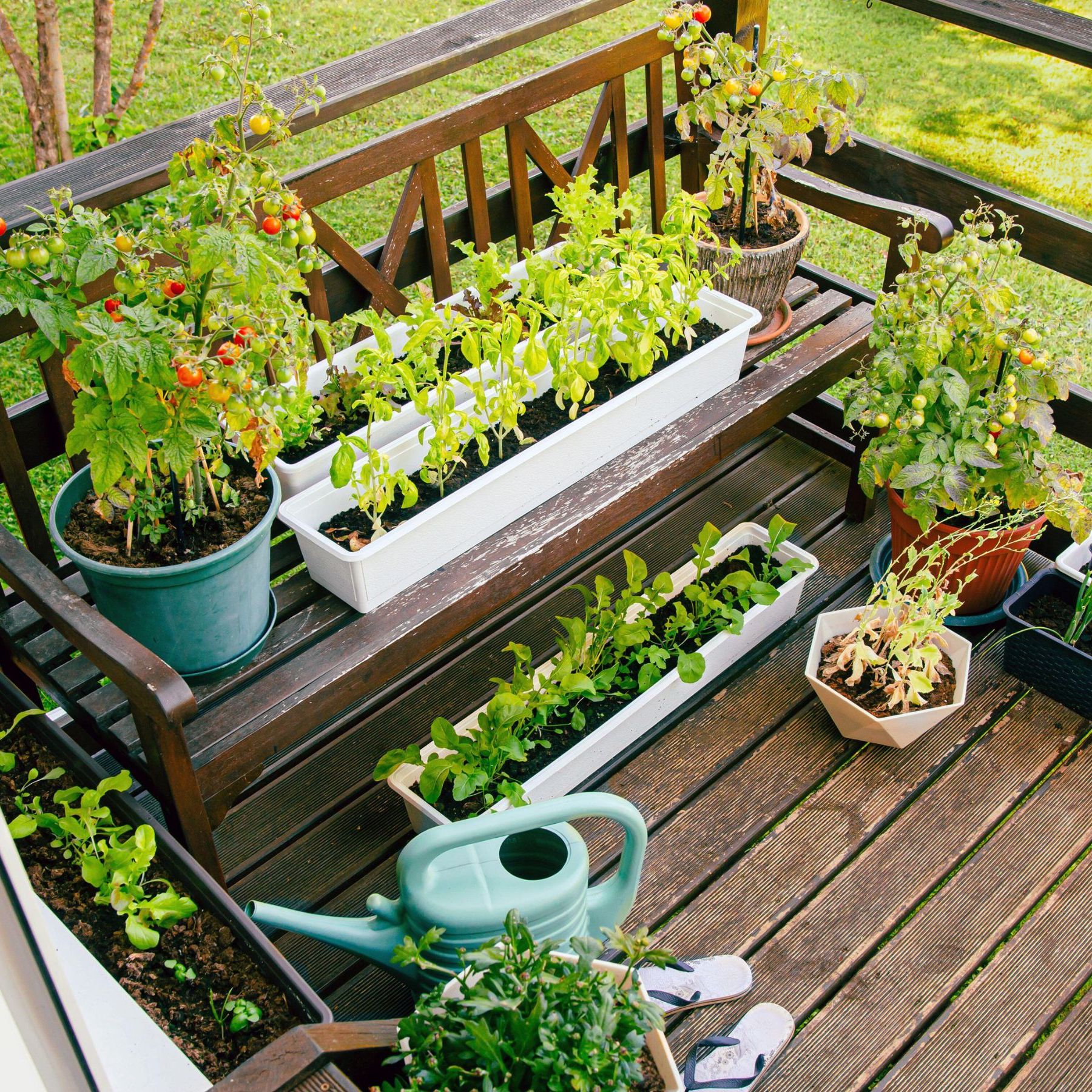
Got a tiny patch of dirt, a sunny balcony, or just a few patio containers? That’s all the space you need to start growing your own delicious vegetables! You don’t need acres of land to enjoy the taste of garden-fresh produce. The secret is choosing the right plants—varieties that are naturally compact, great for containers, or produce a high yield in a small footprint.
This article will walk you through the absolute best vegetable plants for small gardens, giving you the tips and tricks to maximize every square inch and turn your little space into a miniature food farm.
—–
☀️ The Small Garden Advantage: Why Less Can Be More
It might seem counter-intuitive, but having a small garden actually has some major perks:
Less Maintenance: Watering, weeding, and pest checking are much easier and faster when you only have a few containers or a small bed.
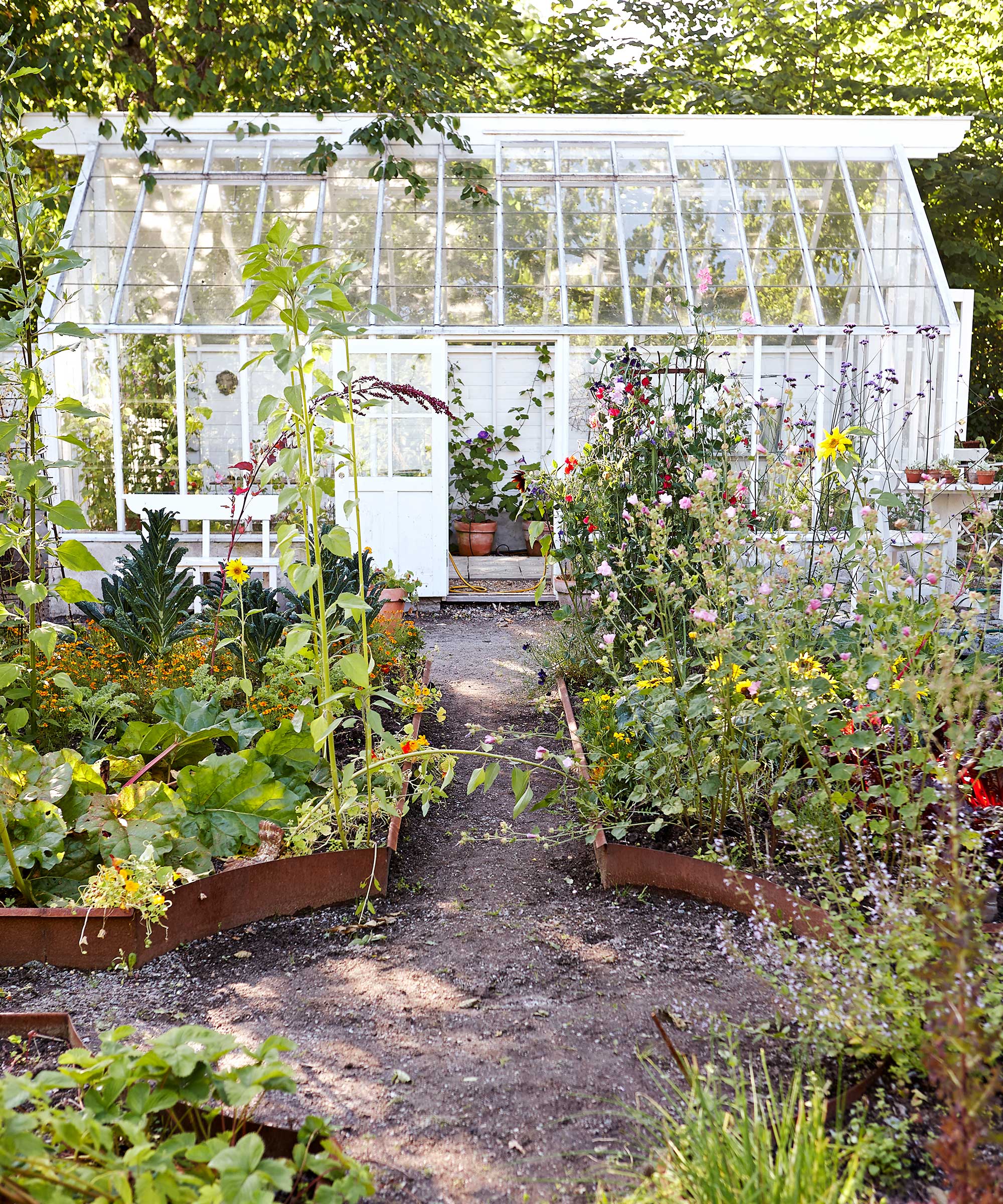
The key to success is using the space you have efficiently, which means thinking up (vertical gardening) and small (choosing compact varieties).
—–
🪴 Top Picks for Compact & Container Gardening
These plants are the rockstars of small-space gardening. They naturally stay small, or they are happy to grow in pots, which means you can tuck them anywhere with sunlight.
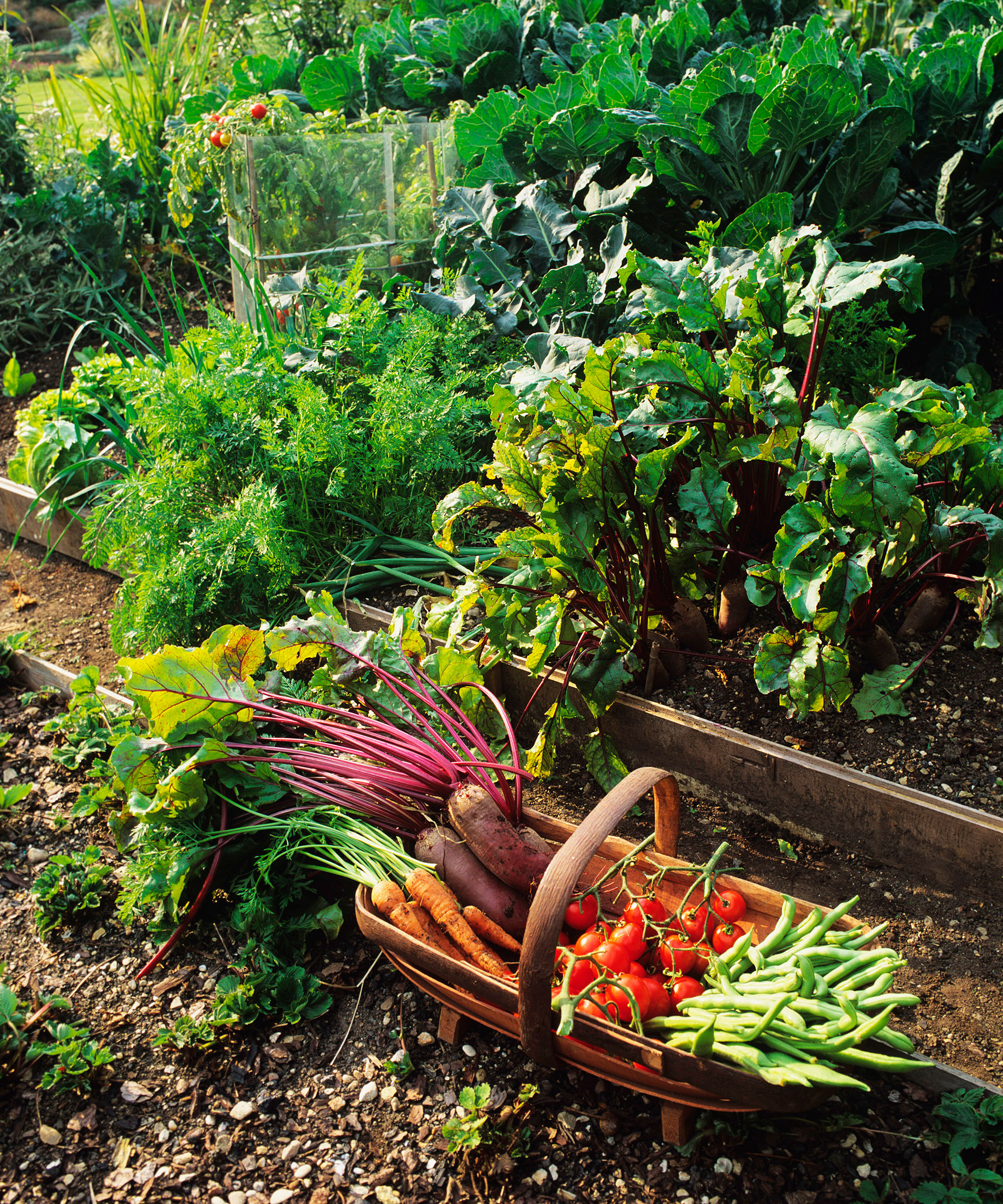
🥦 Bush Beans: The Space-Saving Alternative
Forget the sprawling pole beans that need a massive trellis! Bush beans are champions for small spaces.
They grow into a compact, self-supporting shrub shape, often only reaching 1 to 2 feet tall.
🌶️ Peppers: A Colorful & Compact Crop
Peppers (both sweet bell peppers and hot chili peppers) are tailor-made for containers.
A single pepper plant can thrive in a 3- to 5-gallon pot.
🥬 Head Lettuce & Cut-and-Come-Again Greens
Leafy greens are one of the most rewarding small-garden crops because they have shallow roots and produce a fast, continuous harvest.
Head Lettuce: Plant a single head of lettuce (like butterhead or romaine) in a small pot and enjoy the entire head when ready.
🥕 Carrots and Other Root Vegetables
If you have depth instead of width, root vegetables are your answer.
Carrots, radishes, and beets are highly space-efficient because their bounty is hidden beneath the soil.
—–
⬆️ Going Vertical: Using Walls and Trellises
In a small garden, every vertical surface is potential growing space. Thinking “up” is the most effective way to multiply your available square footage.
🥒 Cucumbers: Choose the Right Variety
Cucumbers come in two main types: vining (sprawling) and bush (compact).
Vining Cucumbers on a Trellis
If you have a vertical trellis, fence, or netting, choose vining varieties like ‘Straight Eight’ or ‘Marketmore.’
Bush Cucumbers in a Container
If you can’t go vertical, stick to bush varieties like ‘Spacemaster’ or ‘Bush Champion.’
🍅 Determinate Tomatoes: The Container Champion
Tomatoes are a must-have, but an indeterminate (vining) tomato plant can easily take over a small garden. The solution is the determinate type.
Determinate Tomatoes: These varieties (often called “bush” tomatoes) grow to a specific height (usually 3 to 4 feet), stop growing, and produce all their fruit within a short, concentrated period.
💚 Zucchini and Summer Squash: A Word of Caution
Zucchini can be a small-garden grower’s nightmare—one plant can easily take up a 4×4-foot bed!
The Best Strategy: Look specifically for compact bush varieties like ‘Eight Ball’ or ‘Patio Pik.’ Even these need substantial space, but they are far more manageable than their giant vining cousins.
—–
💡 Smart Gardening Strategies for Maximum Yield
A successful small garden isn’t just about the plants you choose; it’s about how you plant them.
Intensive Planting
This technique involves planting crops much closer together than traditional gardening dictates. Instead of rows, you plant in a grid or triangular pattern.
The Principle: The plants’ mature leaves should barely touch, creating a living mulch that shades the soil, suppresses weeds, and conserves water.
Succession Planting
This strategy ensures you always have something growing and something to harvest.
Process: As soon as you harvest one crop (like a patch of radishes), immediately plant another crop in its place (like a quick-growing patch of carrots or greens).
Companion Planting
Strategically placing certain plants next to each other can deter pests and improve growth.
Tomatoes & Basil: Planting basil near tomatoes is believed to improve the tomato flavor and may repel tomato hornworms.
—–
❓ Conclusion
Creating a vibrant, productive vegetable garden doesn’t require a backyard farm. By strategically selecting compact varieties like bush beans and determinate tomatoes, embracing vertical growing with climbing cucumbers, and using smart techniques like intensive planting, your small space can yield an incredible bounty of fresh, flavorful produce. Focus on growing what you love to eat, and you’ll find that your tiny garden is one of the most rewarding spots in your home. Happy growing!
—–
❓ Frequently Asked Questions
1. What size container is best for most vegetable plants?
Generally, most single vegetable plants need a container of at least 3 to 5 gallons (or about 10–12 inches in diameter) to thrive. Shallow-rooted crops like lettuce, spinach, and radishes can be happy in a wide container as shallow as 6 inches deep, but fruiting plants like peppers and especially tomatoes and zucchini need a minimum of 5 gallons, with 7-10 gallons being ideal for the best yields.
2. Can I grow vegetables indoors or on a very shady balcony?
Most common vegetables—especially those that produce fruit (tomatoes, peppers, beans)—need a minimum of 6 to 8 hours of direct sunlight per day. If you have a shady spot, focus on root vegetables or leafy greens. Greens like lettuce, kale, and Swiss chard can often tolerate or even prefer partial shade (4 hours of sun) to prevent bolting (going to seed) in high heat.
3. What is the easiest vegetable to start with for a beginner in a small garden?
Radishes and leafy greens (like loose-leaf lettuce or spinach) are by far the easiest for beginners. Radishes go from seed to harvest in as little as 3-4 weeks, giving you a quick win and encouragement. Loose-leaf greens offer continuous harvesting for months with minimal effort.
4. How often should container vegetables be watered?
Container gardens dry out much faster than in-ground beds, especially on sunny patios. In the heat of summer, most container vegetables will need to be watered once a day, and sometimes even twice. Always check the soil first: stick your finger 1-2 inches deep; if the soil is dry, it’s time to water thoroughly until you see water draining from the bottom holes.

:strip_icc()/houseplants-you-cant-kill-Final-180244527c60405fb9668911dab14857.jpg?resize=200,135&ssl=1 "Effortless Greenery: Low-Maintenance Plants For Beginner Gardeners")
:max_bytes(150000):strip_icc()/low-light-conditions-houseplants-1902917-834ee8847a324939b796845a6bc22d36.png?resize=200,135&ssl=1 "Shade Savvy: Thriving Indoor Plants For Low-Light Locations")
