Certainly! Here’s a comprehensive article about Ficus elastica ‘Robusta’, crafted to meet your specifications:
Ficus Elastica ‘Robusta’: The Resilient Rubber plant
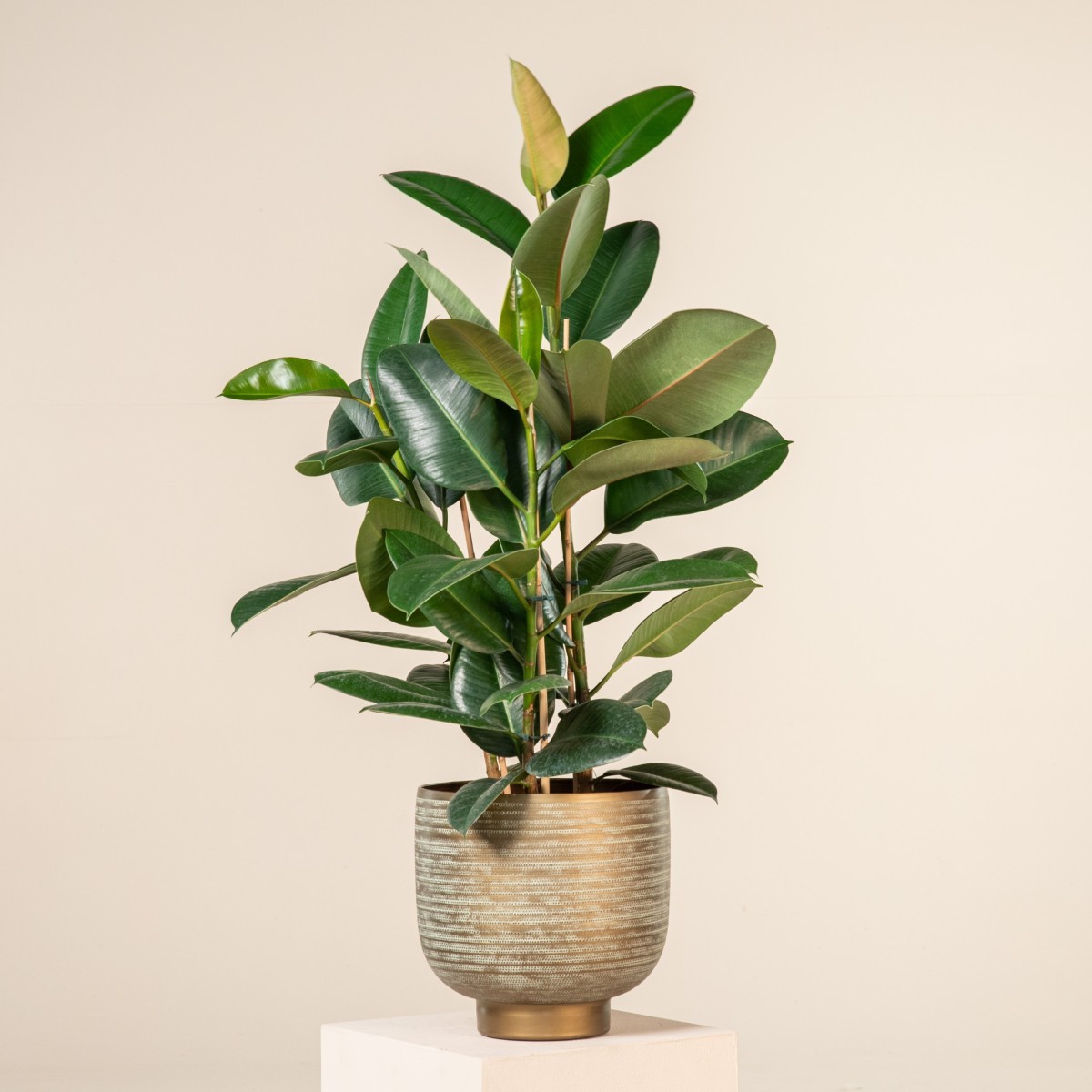
The Ficus elastica ‘Robusta’, commonly known as the rubber plant, is a beloved houseplant celebrated for its glossy, dark green leaves and its ability to thrive in various indoor environments. This robust variety, as its name suggests, is particularly resilient, making it a favorite among both novice and experienced plant enthusiasts. Let’s delve into the details of this captivating plant.
1. Origins and Characteristics
Rubber Bush
Botanical Background
Ficus elastica originates from the tropical regions of Southeast Asia, including India and Indonesia. The ‘Robusta’ cultivar is a popular variation known for its thicker, more substantial leaves compared to the standard Ficus elastica.
It belongs to the Moraceae family, which encompasses a wide range of flowering plants, including figs.
Physical Attributes
The most striking feature of the ‘Robusta’ is its large, oval, and glossy leaves. These leaves can grow quite large, adding a touch of tropical elegance to any indoor space.
In its natural habitat, Ficus elastica can grow into a towering tree. However, when kept as a houseplant, its growth is typically more contained.
The plant produces a milky latex, which can be irritating to some individuals and pets.
2. Cultivation and Care
Light Requirements
The ‘Robusta’ thrives in bright, indirect light. Direct sunlight can scorch its leaves, so it’s best to place it near a window with filtered sunlight.
It can tolerate lower light conditions, but its growth may be slower, and its leaves may lose some of their vibrancy.
Watering
Proper watering is crucial for the health of the rubber plant. Allow the top inch of soil to dry out before watering thoroughly.
Overwatering can lead to root rot, so it’s essential to ensure proper drainage.
Reduce watering during the winter months.
Soil and Fertilization
Use a well-draining potting mix to prevent waterlogging.
Fertilize the plant during the growing season (spring and summer) with a balanced liquid fertilizer.
Temperature and Humidity
The ‘Robusta’ prefers warm temperatures between 16-24°C (60-75°F).
While it can tolerate average household humidity, it appreciates higher humidity levels. Occasional misting can be beneficial.
Propagation
Ficus elastica ‘Robusta’ can be propagated through air layering or stem cuttings.
Propagation is best done during the spring or summer months.
3. Potential Issues and Solutions
Ficus elastica ‘Robusta’ – Indian rubber tree The Palm Centre
Leaf Drop
Leaf drop can be caused by various factors, including overwatering, underwatering, low light, or sudden changes in temperature.
To prevent leaf drop, ensure proper watering, provide adequate light, and avoid drastic temperature fluctuations.
Pests
Common pests that can affect the rubber plant include spider mites, mealybugs, and scale insects.
Regularly inspect the plant for pests and treat any infestations promptly.
Toxicity
The plants milky sap is toxic, so keep away from pets and small children.
4. Benefits of Ficus Elastica ‘Robusta’
Air Purification
Like many indoor plants, the ‘Robusta’ helps to purify the air by removing toxins such as formaldehyde.
This air purification can improve indoor air quality, creating a healthier living environment.
Aesthetic Appeal
Its large, glossy leaves add a touch of elegance and greenery to any indoor space.
It can be used as a focal point or as part of a larger plant arrangement.
Low Maintenance
Compared to other houseplants, the Ficus elastica ‘Robusta’ is relatively low-maintenance, making it an excellent choice for busy individuals.
5. Considerations
Growth Habit
While it’s a slow grower indoors, it can eventually become quite large. Regular pruning can help to maintain its desired size and shape.
Potting and Repotting
Repotting should be done every two to three years, or when the plant becomes root-bound.
Use a slightly larger pot and fresh potting mix when repotting.
The Ficus elastica ‘Robusta’ is a classic houseplant that offers both aesthetic appeal and air-purifying benefits. With proper care, this resilient plant can thrive and bring a touch of tropical beauty to your home.



:strip_icc()/houseplants-you-cant-kill-Final-180244527c60405fb9668911dab14857.jpg?resize=200,135&ssl=1 "Effortless Greenery: Low-Maintenance Plants For Beginner Gardeners")
:max_bytes(150000):strip_icc()/low-light-conditions-houseplants-1902917-834ee8847a324939b796845a6bc22d36.png?resize=200,135&ssl=1 "Shade Savvy: Thriving Indoor Plants For Low-Light Locations")
