Absolutely! Here’s a comprehensive article about Cosmos atrosanguineus, structured with
and
headings, and aiming for a length of approximately 3000 words.
Cosmos atrosanguineus: The Enigmatic Chocolate Cosmos
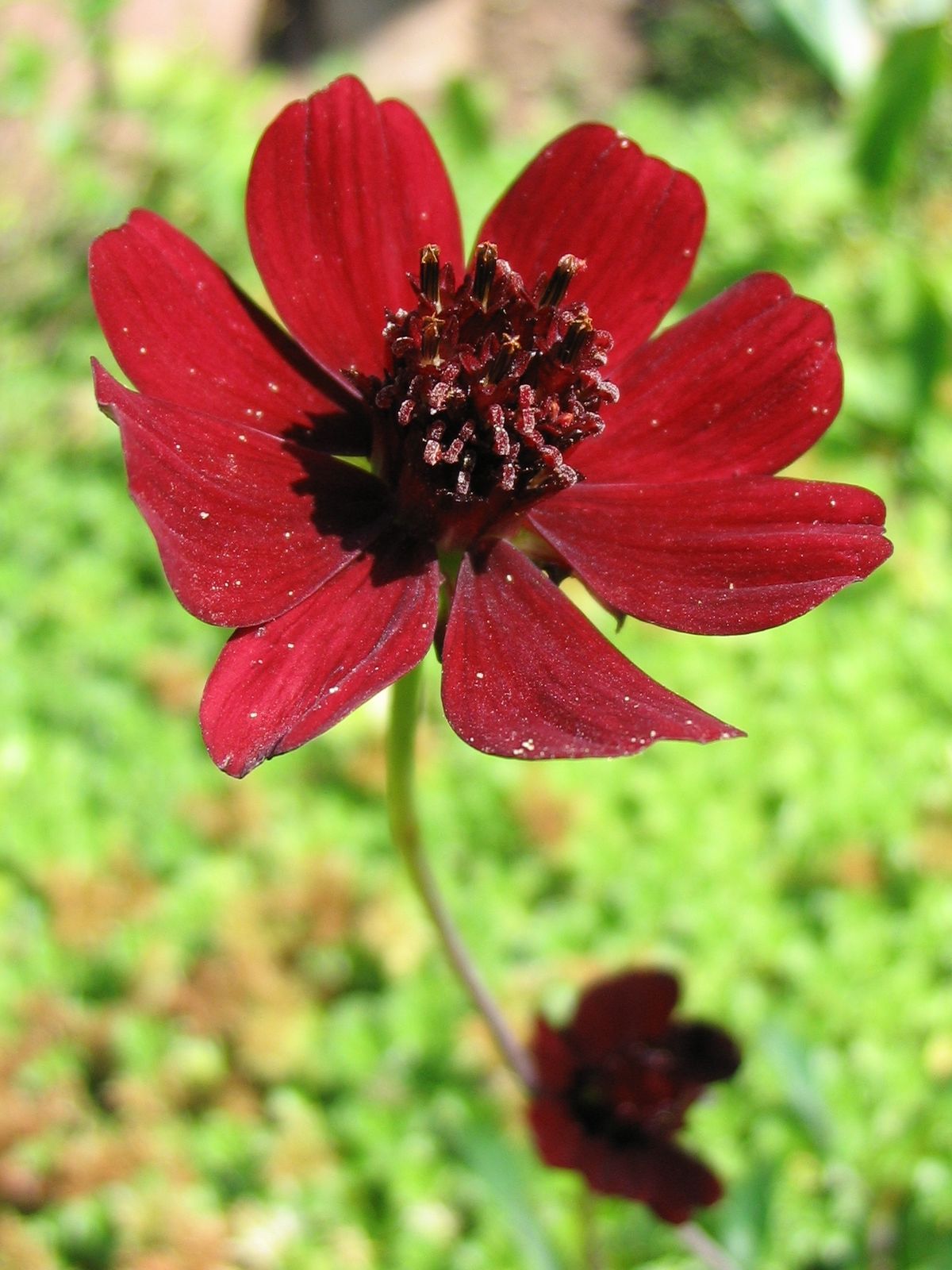
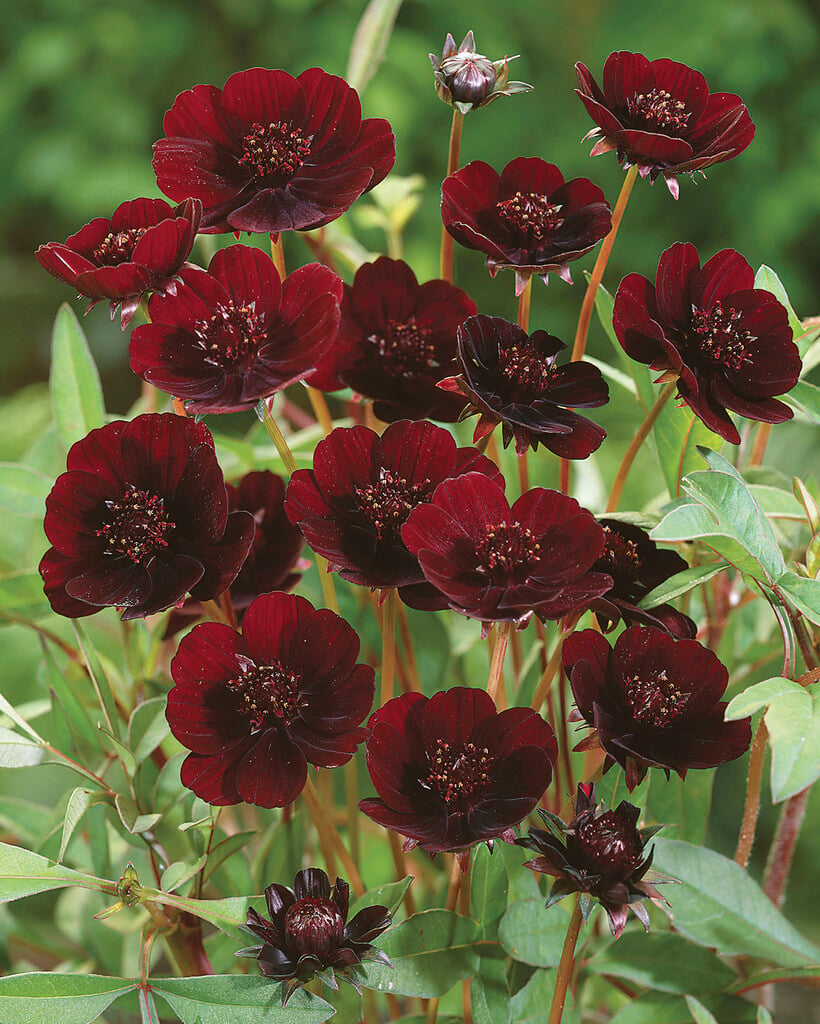
Cosmos atrosanguineus, more commonly known as the Chocolate Cosmos, is a captivating perennial that has garnered a devoted following among gardeners and plant enthusiasts. Its unique, dark maroon to chocolate-colored flowers, coupled with their delicate vanilla-chocolate fragrance, make it a truly exceptional addition to any garden.
Botanical Origins and Characteristics
The Chocolate Cosmos originates from Mexico, specifically from a small region in the state of San Luis Potosí. Sadly, in its natural habitat, it is believed to be extinct. The plants that are now available to gardeners are all descended from a single clone propagated in 1902.
Taxonomy and Morphology
Cosmos atrosanguineus – Wikipedia
Cosmos atrosanguineus belongs to the Asteraceae family, which is known for its composite flowers.
The plant develops tuberous roots, which are essential for its survival and propagation.
Its foliage is characterized by pinnately divided, deep green leaves, providing a beautiful contrast to the dark flowers.
The flowers themselves are typically 3-4 cm in diameter, with velvety petals that create a striking visual impact.
The dark, rich color of the petals can vary slightly, ranging from deep maroon to almost black, depending on growing conditions and individual plants.
The Unique Fragrance
One of the most alluring aspects of the Chocolate Cosmos is its distinct fragrance.
The flowers emit a sweet, vanilla-chocolate scent, particularly noticeable in the evening.
This unique aroma is a significant factor in the plant’s popularity and appeal.
Cultivation and Care
Growing Cosmos atrosanguineus requires attention to specific conditions to ensure its optimal health and flowering.
Ideal Growing Conditions
Sunlight:
The Chocolate Cosmos thrives in full sun, which is essential for abundant flowering.
At least six hours of direct sunlight per day is recommended.
Soil:
Well-drained soil is crucial to prevent root rot, a common problem for this plant.
A moderately fertile soil is ideal.
Adding organic matter, like compost, can improve soil structure and drainage.
Temperature:
Cosmos atrosanguineus is not frost-hardy, so it’s essential to protect it from freezing temperatures.
In colder climates, the tubers should be lifted and stored over winter.
Watering:
Consistent moisture is important, but overwatering should be avoided.
The most common method of propagation is through dividing the tubers.
This should be done in the spring, just before the growing season begins.
Cuttings:
It is also possible to propagate Cosmos atrosanguineus from stem cuttings, although this can be a more difficult procedure.
Seeds:
The plants natural seed production is very low, and if seeds are produced, they do not produce viable offspring in very many cases. Therefore it is best to stay with tubor or cutting propagation.
In areas with cold winters, lift the tubers after the first frost and store them in a cool, dry place.
They can be replanted in the spring once the risk of frost has passed.
Fertilizing:
A balanced fertilizer applied in the spring and mid-summer can promote healthy growth.
Avoid over-fertilizing, which can lead to excessive foliage growth and reduced flowering.
Pest and diseases:
generally the plants are pest free. However overwatering can promote root rot.
Garden Uses and Aesthetic Appeal
The Chocolate Cosmos adds a touch of elegance and intrigue to any garden setting.
Companion Planting
The dark flowers of Cosmos atrosanguineus create a striking contrast with brightly colored plants.
Excellent companions include:
Silver-leaved plants like artemisia.
Orange and yellow flowers, such as marigolds or coreopsis.
Plants with contrasting foliage, such as those with variegated leaves.
Garden Placement
Ideal for borders, containers, and cottage gardens.
The plant’s compact size makes it suitable for small gardens and patios.
Its unique fragrance makes it a wonderful addition to areas near seating or walkways.
Cut Flowers
The flowers can be used as cut flowers, although their vase life is relatively short.
Their unique fragrance makes them a special addition to floral arrangements.
The Allure of the Chocolate Cosmos
The Cosmos atrosanguineus has maintained high appeal for numerous reasons.
Rarity and Exclusivity
Its status as nearly extinct in the wild adds to its allure.
The plants connection to an origin from a single clone, adds a sense of unique historical botanic value.
Sensory Experience
The combination of the dark, velvety flowers and the chocolate-vanilla fragrance creates a unique sensory experience.
The plants appearance and aroma provide a talking point for all garden visitors.
Gardening Satisfaction
Cultivating this unique plant provides a sense of accomplishment for gardeners.
It demonstrates a gardeners ability to care for and nurture a rare and delicate species.
Cosmos atrosanguineus is a truly remarkable plant, offering both visual beauty and an enchanting fragrance. It’s unique botanical history, coupled with the difficulty that is involved with propagation, helps add to it’s desirable nature. While needing particular care it can provide great garden reward.


:strip_icc()/houseplants-you-cant-kill-Final-180244527c60405fb9668911dab14857.jpg?resize=200,135&ssl=1 "Effortless Greenery: Low-Maintenance Plants For Beginner Gardeners")
:max_bytes(150000):strip_icc()/low-light-conditions-houseplants-1902917-834ee8847a324939b796845a6bc22d36.png?resize=200,135&ssl=1 "Shade Savvy: Thriving Indoor Plants For Low-Light Locations")
