:strip_icc()/houseplants-you-cant-kill-Final-180244527c60405fb9668911dab14857.jpg?ssl=1 "The Beginner’s Green Thumb: The Absolute Easiest Houseplants For New Owners")
So, you’ve decided you want to bring some green life into your home, but your gardening experience is, well, zero. Maybe you’ve even heard the whispers that you have a “black thumb”—a curse that makes all plants crumble in your presence. Stop right there! That’s just a myth. Becoming a successful plant parent isn’t about magic; it’s about picking the right teammates.
For beginners, the key is choosing plants that are ridiculously resilient, forgiving of forgetfulness, and actually thrive on a bit of neglect. We’re talking about the plant equivalent of a low-maintenance best friend. They won’t wilt dramatically or give up the ghost the second you miss a watering session.
This guide is your friendly, casual, and in-depth look at the absolute best plants to start your indoor jungle journey, ensuring your first foray into the world of houseplants is a roaring success, not a wilted disaster. Forget complex care routines; these heroes will practically grow themselves.
—
:strip_icc()/houseplants-you-cant-kill-Final-180244527c60405fb9668911dab14857.jpg "image.title")
The Big Three: Truly Unkillable Plants for Anyone
If you’re so new that you’re nervous about even looking at a plant the wrong way, these three are your ultimate safety net. They are the tough guys of the indoor plant world, built to survive the harshest conditions—or, you know, the total chaos of a beginner’s schedule.
Snake Plant (Sansevieria trifasciata)
The Snake Plant, also known as Mother-in-Law’s Tongue (don’t worry, it’s much nicer than the name suggests!), is practically indestructible. Seriously, if you manage to kill one, you might need to check its pulse—it’s that tough.
Why It’s a Beginner’s Dream:
The number one cause of death for indoor plants is overwatering. The Snake Plant actively hates being watered frequently. It’s a succulent, which means it stores water in its thick, upright leaves. You can easily forget to water it for two, three, or even four weeks at a time, and it will be perfectly fine. In fact, it prefers it! It also tolerates almost any light level, from a bright window to a dimly lit corner, though it grows best in bright, indirect light. It’s also famous for purifying the air.
Care Simplicity:
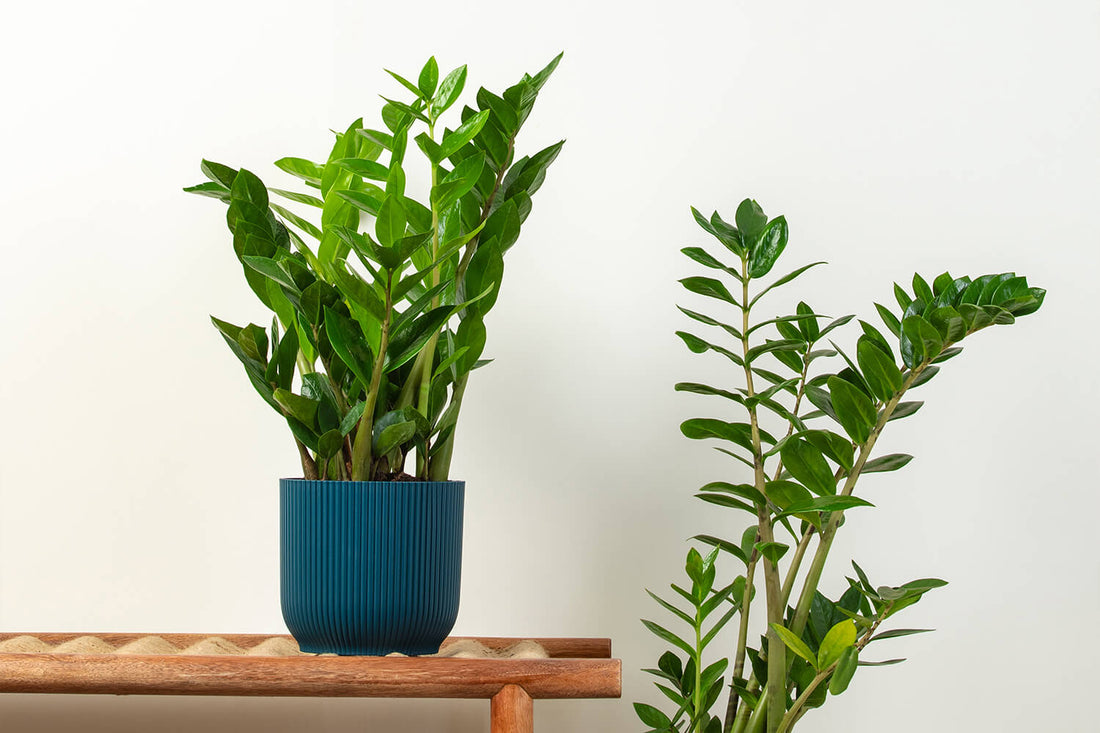
ZZ Plant (Zamioculcas zamiifolia)
The ZZ Plant, sometimes called the “Eternity Plant,” is another all-star of resilience. It looks sleek and modern with its waxy, deep-green leaves, making it a stylish addition to any room. It gets its nickname because it genuinely seems to live forever, even if you totally ignore it.
Why It’s a Beginner’s Dream:
Like the Snake Plant, the ZZ Plant is built for survival. It has fat, potato-like rhizomes (underground stems) that store massive amounts of water. This is why overwatering is its only real enemy. You can go a month or more without watering, and it won’t even bat a glossy green eyelid. It also thrives in low light—so if you have a dark apartment or a shady corner that needs a boost of life, this is your guy.
Care Simplicity:

Pothos (Epipremnum aureum)
The Pothos, often called Devil’s Ivy, is a fantastic beginner plant because it’s a fast, enthusiastic grower that is incredibly forgiving. It’s perfect if you want that beautiful, trailing, jungle-like look. They come in gorgeous varieties, like ‘Golden Pothos’ (green with yellow streaks) or ‘Neon Pothos’ (bright lime-green).
Why It’s a Beginner’s Dream:
Pothos is famous for being incredibly adaptable. It can handle a wide range of light, from low to bright, indirect. The best part? It literally tells you when it’s thirsty. When it needs water, its usually firm leaves will start to droop and curl dramatically. Give it a good drink, and within a few hours, it’ll perk right back up as if nothing happened. This visual cue takes all the guesswork out of watering.
Care Simplicity:
—
Expanding Your Starter Collection: Four More Easy Winners
Once you’ve mastered the Big Three, you might feel a little more confident. These next four plants are still super easy and forgiving but offer a bit more variety in texture, color, and size.
Spider Plant (Chlorophytum comosum)
The Spider Plant is a classic for a reason. It’s incredibly easy to care for and is one of the best air-purifying plants out there. It gets its name from the “spiderettes” or “babies” that dangle from the mother plant, which you can easily clip off and root to make more plants. It’s the gift that keeps on giving!
Why It’s a Beginner’s Dream:
It’s tolerant of inconsistent watering, doesn’t need a lot of light, and is known for its ability to bounce back from neglect. Plus, it’s one of the few popular houseplants that is non-toxic to cats and dogs, making it a top choice for pet owners.
Care Simplicity:
Peace Lily (Spathiphyllum)
If you want a plant that will reward your minimal effort with beautiful white flowers, the Peace Lily is the perfect choice. It has glossy, dark-green leaves and elegant, sail-like white blooms.
Why It’s a Beginner’s Dream:
Much like the Pothos, the Peace Lily is dramatic in the best way possible. When it needs a drink, it will droop dramatically. It’s a fantastic, clear signal that tells you exactly what to do. Give it water, and in a few hours, it will stand tall and proud again. This makes it almost impossible to guess wrong about watering.
Care Simplicity:
Cast Iron Plant (Aspidistra elatior)
The name says it all. This is the definition of tough. The Cast Iron Plant is legendary for surviving where other plants simply wouldn’t. If you have a room with poor light, drafts, or widely fluctuating temperatures, this plant will take it all in stride.
Why It’s a Beginner’s Dream:
It’s an incredibly slow grower, which means it doesn’t need repotting often and requires minimal fertilizer. It can handle deep shade (like a dark hallway or a north-facing room) and tolerates long periods of forgetfulness with watering. It truly earns its reputation as one of the most reliable and long-lived houseplants.
Care Simplicity:
Jade Plant (Crassula ovata)
A beautiful, popular succulent that is often called the “Money Plant” or “Friendship Tree.” Its thick, woody stems and plump, oval leaves give it the look of a miniature tree. It’s said to bring good luck, and its ease of care certainly feels lucky for new plant parents.
Why It’s a Beginner’s Dream:
As a succulent, it’s fantastic at storing water in its leaves, which translates directly to a very forgiving watering schedule. If you forget to water it for a few weeks, the leaves might start to look slightly wrinkly, which is a perfect sign that it’s finally thirsty. It’s a sturdy, slow-growing plant that doesn’t require frequent attention.
Care Simplicity:
—
💡 Quick-Start Guide: Essential Plant Care Tips
Starting your plant journey is simple, but there are a few golden rules that apply to nearly all indoor plants. These simple practices will help you avoid the most common beginner mistakes.
The Golden Rule of Watering
Light: The Most Misunderstood Requirement
Troubleshooting and Maintenance
—
Conclusion
Starting your houseplant collection doesn’t have to be a source of stress. By choosing tough, forgiving varieties like the Snake Plant, ZZ Plant, Pothos, Spider Plant, Peace Lily, Cast Iron Plant, and Jade Plant, you are setting yourself up for guaranteed success. These plants are the workhorses of the indoor garden, adapting to your schedule and giving you clear signals about what they need.
There’s no such thing as a black thumb—just a learning curve. These beginner-friendly plants will help you master the basics of light, water, and drainage, giving you the confidence to eventually expand your collection. Dive in, grab one of these resilient beauties, and watch your home transform into a vibrant, living space, proving that anyone can be a successful plant parent. Happy growing!
—
❓ Frequently Asked Questions (FAQs)
What is the number one reason beginners accidentally kill their plants?
The most common reason a beginner plant dies is overwatering. Most people worry their plant is thirsty and water too often. This causes the roots to sit in soggy soil, which eventually leads to root rot, suffocating the plant. Always check the soil moisture with your finger before watering, and remember that plants like the Snake Plant and ZZ Plant prefer to be completely dry between waterings.
What does “bright, indirect light” actually mean?
Bright, indirect light means a location that receives a lot of ambient light from a window, but the sun’s rays do not directly hit the leaves. For example, a few feet away from a south- or west-facing window, or right next to a bright north- or east-facing window. Direct, harsh sunlight can scorch the leaves of many indoor plants.
Do any of these beginner plants require high humidity?
Most of the “unkillable” plants (Snake, ZZ, Pothos, Jade) are very tolerant of average household humidity. The Peace Lily and Spider Plant are the two on this list that appreciate a little more humidity, but they are still extremely forgiving. If you see brown tips on your Peace Lily’s leaves, it’s often a sign that the air is a bit too dry for its liking, and a simple misting or placing it near a bathroom can help.
Is it better to under-water or over-water a beginner houseplant?
When in doubt, it is always better to under-water a beginner houseplant, especially for succulents and drought-tolerant plants like the Snake Plant, ZZ Plant, and Jade Plant. These plants are built to handle dry periods and will often show clear signs of thirst (like wilting or shriveling leaves). They are far more likely to die from the complications of overwatering and root rot than from being a little thirsty.

:strip_icc()/houseplants-you-cant-kill-Final-180244527c60405fb9668911dab14857.jpg?resize=200,135&ssl=1 "Effortless Greenery: Low-Maintenance Plants For Beginner Gardeners")
:max_bytes(150000):strip_icc()/low-light-conditions-houseplants-1902917-834ee8847a324939b796845a6bc22d36.png?resize=200,135&ssl=1 "Shade Savvy: Thriving Indoor Plants For Low-Light Locations")
:strip_icc()/houseplants-you-cant-kill-Final-180244527c60405fb9668911dab14857.jpg?ssl=1&description=The%20Beginner%26%238217%3Bs%20Green%20Thumb%3A%20The%20Absolute%20Easiest%20Houseplants%20For%20New%20Owners)