
Absolutely! Here’s a 3000-word article about Sakura bonsai, incorporating
and
headings instead of lists.
The sakura, or cherry blossom, is an iconic symbol of spring in Japan, representing renewal, beauty, and the ephemeral nature of life. Transforming this delicate beauty into a bonsai is a testament to the artistry and patience of the cultivator. A sakura bonsai, with its miniature form and breathtaking blooms, encapsulates the essence of Japanese aesthetics. This article delves into the intricacies of cultivating and caring for a sakura bonsai, from selecting the right species to mastering the art of flowering.
Selecting the Right Sakura Species for Bonsai

Not all sakura varieties are created equal when it comes to bonsai cultivation. Certain species are more amenable to shaping, pruning, and flowering in a confined environment. Here are some of the most popular and suitable choices:
Prunus incisa ‘Kojo-no-mai’
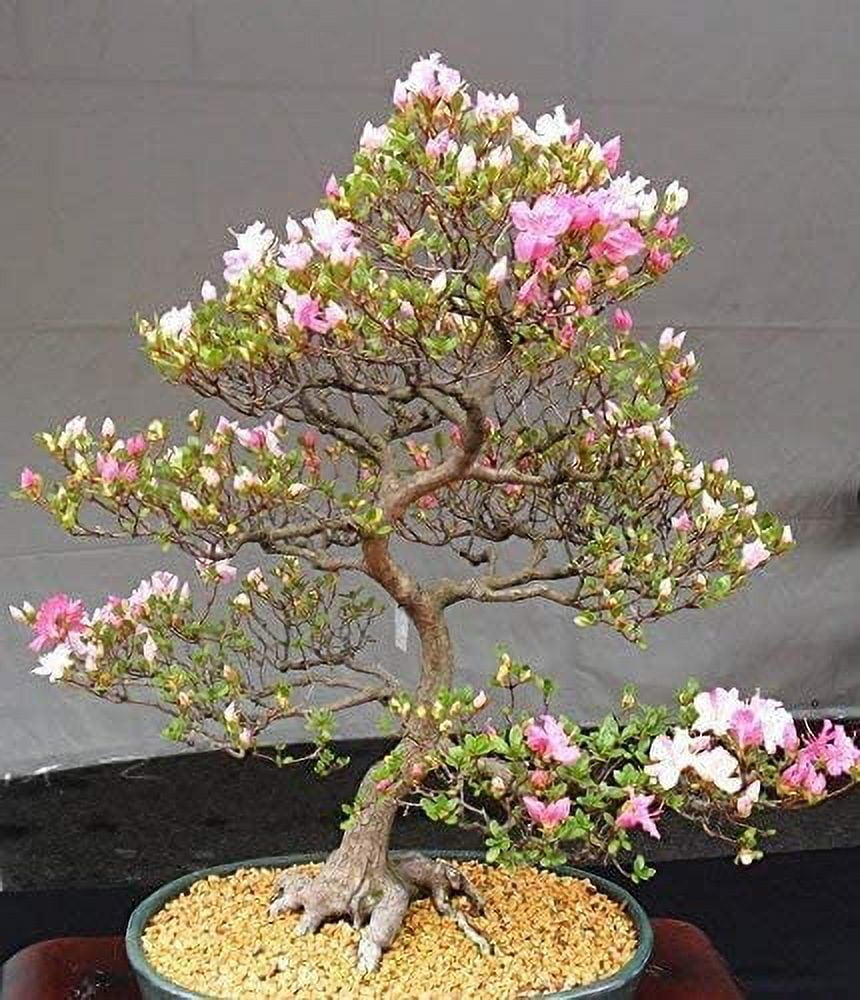
This dwarf variety is highly prized for its compact growth habit and profuse, small, white blossoms. Its naturally twiggy structure lends itself well to bonsai styling, making it a favorite among enthusiasts. The ‘Kojo-no-mai’ is relatively hardy and adaptable, making it a good choice for beginners.
Prunus serrulata ‘Fugenzo’
Known for its double-flowered blossoms that transition from pink to white, the ‘Fugenzo’ is a visually stunning option. While it can be more challenging to manage due to its vigorous growth, the rewards are well worth the effort. Its large, showy flowers make it a centerpiece in any collection.

Prunus mume (Japanese Apricot)
While technically a plum, the Prunus mume is often included in sakura bonsai collections due to its early blooming and fragrant flowers. It boasts a rugged, ancient appearance and blooms on older wood which creates a very interesting display. The flowers appear before the leaves, making them stand out even more.
Prunus subhirtella ‘Pendula’ (Weeping Cherry)
The weeping cherry, with its cascading branches and delicate pink blossoms, creates a captivating bonsai. Its graceful form and abundant flowers make it a highly sought-after specimen. Training the weeping cherry requires careful attention to its unique growth pattern.
Cultivating and Caring for Your Sakura Bonsai
Once you’ve selected your sakura species, the next step is to provide it with the optimal growing conditions to ensure its health and vitality.
Soil and Repotting
Sakura bonsai prefer well-draining soil that retains moisture without becoming waterlogged. A blend of akadama, kanuma, and pumice is often recommended. Repotting should be done every two to three years, typically in early spring before the buds open. During repotting, carefully prune the roots to encourage new growth and maintain the bonsai’s compact size.
Watering and Fertilizing
Sakura bonsai require consistent watering, especially during the flowering season. Allow the soil to dry slightly between waterings, but avoid letting it dry out completely. Fertilize your bonsai regularly during the growing season with a balanced fertilizer, switching to a high-phosphorus fertilizer before flowering to encourage abundant blooms.
Pruning and Shaping
Pruning is essential for maintaining the shape and size of your sakura bonsai. Structural pruning should be done during the dormant season, while pinching and trimming can be done throughout the growing season to encourage ramification and control growth. Careful wiring can be used to shape branches, but avoid wiring during the flowering season.
Sunlight and Temperature
Sakura bonsai thrive in full sun, but they can benefit from some afternoon shade in hot climates. They require a period of dormancy in winter to ensure proper flowering. Protect your bonsai from frost and extreme temperatures.
Encouraging Abundant Blossoms
The hallmark of a beautiful sakura bonsai is its profusion of blossoms. Here are some tips to maximize flowering:
Dormancy and Cold Treatment
Sakura require a period of cold dormancy to initiate flower bud development. Expose your bonsai to temperatures between 35°F and 45°F (2°C and 7°C) for several weeks during winter. This cold treatment is crucial for abundant flowering.
Phosphorus-Rich Fertilizer
Before the flowering season, switch to a fertilizer high in phosphorus to encourage bud development. Phosphorus promotes flowering and fruit production.
Proper Pruning Techniques
Avoid excessive pruning during the flowering season, as this can reduce the number of blossoms. Focus on pinching and trimming to maintain shape without removing flower buds.
Sunlight Exposure
Ensure your sakura bonsai receives ample sunlight during the growing season. Sunlight is essential for photosynthesis and flower development.
Pest and Disease Management
Sakura bonsai can be susceptible to various pests and diseases. Regular inspection and prompt treatment are essential for maintaining their health.
Common Pests
Aphids, spider mites, and scale insects can attack sakura bonsai. Use insecticidal soap or horticultural oil to control these pests.
Common Diseases
Fungal diseases like powdery mildew and black spot can affect sakura bonsai. Ensure good air circulation and avoid overwatering to prevent these diseases. Use fungicides if necessary.
Preventive Measures
Regularly inspect your bonsai for signs of pests or diseases. Maintain good hygiene by removing fallen leaves and debris. Ensure proper drainage to prevent root rot.
Styling and Aesthetics
The art of bonsai is not just about cultivation; it’s also about creating a miniature landscape that evokes a sense of nature and beauty.
Formal Upright (Chokkan)
This style features a straight, upright trunk with symmetrical branching. It conveys a sense of strength and formality.
Informal Upright (Moyogi)
This style features a slightly curved trunk and asymmetrical branching. It conveys a sense of naturalness and informality.
Slanting (Shakan)
This style features a trunk that leans to one side, conveying a sense of movement and resilience.
Cascade (Kengai)
This style features a trunk that cascades down the pot, mimicking a tree growing on a cliff.
Semi-Cascade (Han-Kengai)
This style features a trunk that cascades partially down the pot, creating a graceful and elegant appearance.
The Significance of Sakura in Bonsai
Sakura bonsai are more than just miniature trees; they are living works of art that embody the spirit of Japanese culture. The delicate beauty of the blossoms, the graceful form of the branches, and the meticulous care required to cultivate them all contribute to their significance. Owning a sakura bonsai is a journey of patience, dedication, and appreciation for the ephemeral beauty of nature.
Conclusion
Cultivating a sakura bonsai is a rewarding endeavor that requires patience, dedication, and a deep appreciation for the beauty of nature. By selecting the right species, providing optimal growing conditions, and mastering the art of pruning and shaping, you can create a miniature masterpiece that captures the essence of spring. The fleeting beauty of the sakura blossoms serves as a reminder to cherish the present moment and appreciate the delicate balance of life. Through careful cultivation, the sakura bonsai becomes a living testament to the harmony between nature and human artistry.

:strip_icc()/houseplants-you-cant-kill-Final-180244527c60405fb9668911dab14857.jpg?resize=200,135&ssl=1 "Effortless Greenery: Low-Maintenance Plants For Beginner Gardeners")
:max_bytes(150000):strip_icc()/low-light-conditions-houseplants-1902917-834ee8847a324939b796845a6bc22d36.png?resize=200,135&ssl=1 "Shade Savvy: Thriving Indoor Plants For Low-Light Locations")
