:max_bytes(150000):strip_icc()/rooting-plants-from-cuttings-1902935_FINAL-14417d8ea36b4000bca374b7facbfc2a.png?ssl=1 "Rooting Success: Your Guide To Propagating Plants From Cuttings")
—–
# 🌱 The Easy Peasy Guide to Propagating plants from Cuttings
Do you look at your favorite houseplant or garden shrub and wish you had ten more just like it? What if I told you that you could, and for absolutely free?
Plant propagation might sound like a fancy, complicated science experiment, but propagating plants from cuttings is one of the easiest and most satisfying things a gardener can do. It’s essentially cloning your favorite plants—a perfect, genetically identical twin! Whether you’re trying to expand your collection of trendy houseplants like Monsteras and Pothos, or you want more of that fragrant rosemary for your kitchen, cuttings are the way to go.
:max_bytes(150000):strip_icc()/rooting-plants-from-cuttings-1902935_FINAL-14417d8ea36b4000bca374b7facbfc2a.png "image.title")
This comprehensive guide will walk you through every step of this magical process. Get ready to multiply your greenery!
—–
🪴 Why Propagate from Cuttings?
Before we dive into the “how,” let’s quickly cover the “why.” Why take a cutting when you could just buy a new plant or grow from seed?

It’s Free!
This is the most obvious and compelling reason. You are using material you already have, turning one plant into many without spending a dime. It’s the ultimate gardening hack for budget-conscious plant lovers.
It’s Easy and Reliable
Many common plants, especially popular houseplants and soft-stemmed herbs, root incredibly easily. While growing from seed can be unpredictable (will the seed even germinate?), a cutting from a healthy parent plant has a much higher success rate.
You Get an Exact Clone
When you grow from seed, you get a mix of genetics, which means the new plant might not look exactly like the parent. A cutting, however, is a perfect genetic copy. If you love the variegated pattern of your Pothos, a cutting will ensure the new baby has the same beautiful coloring.
It’s Faster Than Seeds
A cutting is a chunk of an already mature plant. Once it roots and starts growing, it will mature much faster than a seedling, which has to go through the entire life cycle from a tiny sprout.
—–
🔪 Getting Started: The Right Tools and Timing
You don’t need a professional greenhouse setup to do this. Most of what you need you probably already have at home!
Essential Tools You’ll Need
Sharp, Clean Cutting Tool: This is critical. You need a clean cut to prevent disease and encourage rooting. Use sharp scissors, bypass pruners, or a clean razor blade. Sterilize them first with rubbing alcohol!
The Best Time to Take Cuttings
For most plants, the best time to take a cutting is during the plant’s active growing season. For outdoor plants, this is usually spring or early summer. This is when the plant is putting out new growth, and the cells are actively dividing, making it easier for new roots to form. For indoor houseplants, which often grow year-round, you can take cuttings any time, but spring is still ideal.
—–
✂️ The Art of Taking the Perfect Cutting
This is where your success really begins. A good cutting is the foundation of a new, thriving plant.
Softwood vs. Hardwood Cuttings
Cuttings are generally categorized by the plant material’s age:
Softwood: Taken from new, flexible, green growth (like basil, geraniums, and most tropical houseplants). These root the fastest but are also the most delicate.
For our casual, easy guide, we’ll focus mainly on softwood cuttings as they are the most common and easiest for beginners.
Step-by-Step Cutting Instructions
1. Locate a Healthy Stem: Choose a non-flowering stem (flowering takes energy away from root development). Look for a healthy, vibrant section.
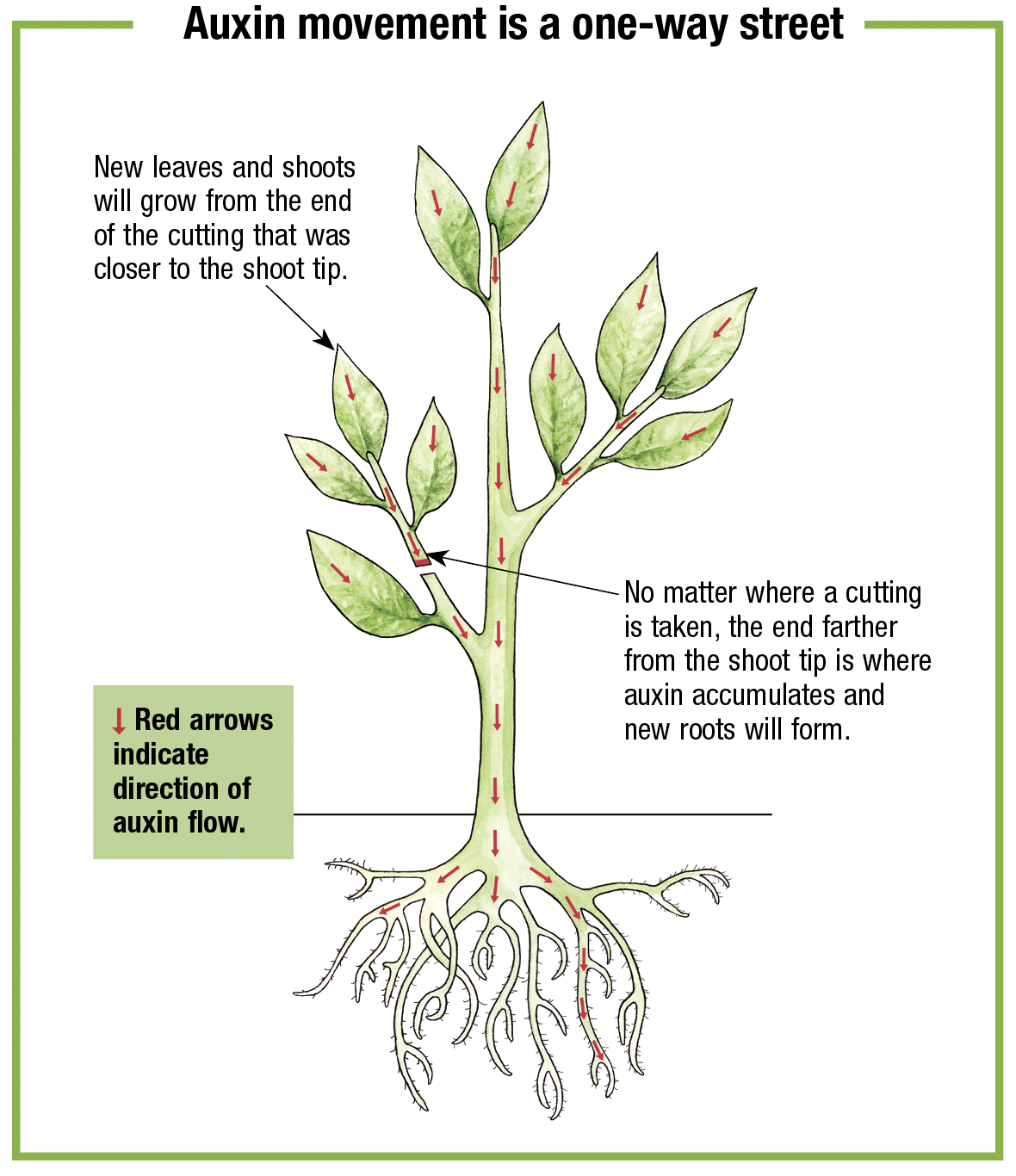
2. Make the Cut: Using your sterilized tool, make a clean cut about 4 to 6 inches (10-15 cm) long. The cut should be made just below a node. A node is a bump or joint on the stem where a leaf or side branch grows—this is where the highest concentration of rooting hormones is located!
3. Prepare the Cutting: Remove the leaves from the bottom half to two-thirds of the stem. These submerged leaves would just rot in water or soil, inviting disease. Leave at least two sets of leaves at the top to capture light for photosynthesis. If the remaining leaves are very large (like a Pothos), you can cut them in half to reduce water loss.
4. Apply Rooting Hormone (If Using): Dip the bottom-cut end into the rooting hormone powder or gel. Shake off any excess.
—–
💦 Water vs. Soil: The Rooting Medium Debate
Once you have your perfect cutting, you need to decide where to put it. The two most popular methods are water and a soil/soilless mixture.
Rooting in Water (The Easiest Way)
This is the most visually satisfying method and a beginner favorite. It works perfectly for many popular houseplants like Pothos, Philodendron, Coleus, and Spider Plants.
Process: Simply place the prepared cutting in a clear glass jar filled with clean water. Make sure the nodes you stripped the leaves from are submerged.
Rooting in Soil/Soilless Mix (The More Stable Way)
This method often creates stronger, more adaptable roots from the start and is recommended for outdoor shrubs and herbs that don’t love water.
Process: Fill a small pot with a sterile, well-draining mix (perlite/peat moss, or cactus mix works well). Use a pencil or finger to poke a hole in the mix (so you don’t scrape off the rooting hormone). Insert the cutting, gently firm the mix around it, and water well.
—–
☀️ The Critical Care: Light, Temperature, and Patience
Once your cutting is placed in its medium, the waiting game begins. Good care during this time is essential.
Optimal Conditions
Light: Bright, indirect light is best. Never put a fresh cutting in blazing hot, direct sun. It doesn’t have roots to pull up water yet, and direct sun will quickly dehydrate and kill it.
A Note on Patience
Propagating is not a sprint; it’s a marathon. While some plants (like Tradescantia or Pothos) can root in a week, others (like woody shrubs) might take many months. The number one rule is: don’t give up and don’t overwater! Too much fussing often leads to rot.
—–
🥳 Conclusion: The Thrill of the Clone
Propagating plants from cuttings is truly one of gardening’s greatest pleasures. It’s a sustainable, rewarding, and affordable way to grow your collection and share your green bounty with friends and family. The moment you see that first tiny white root emerge or that first new leaf unfurl, you’ll feel a thrill that buying a fully grown plant just can’t match.
So grab your sharp, clean snips, choose your favorite plant, and start cloning! You’ll be amazed at how quickly you can turn one plant into a jungle. Happy propagating!
—–
❓ Frequently Asked Questions (FAQs)
1. Do I have to use rooting hormone, and what happens if I don’t?
Rooting hormone is not strictly required for all plants, especially easy-to-root tropicals like Pothos, Philodendrons, and many herbs. However, it is highly recommended for increasing the success rate, especially with woody plants, shrubs, and slower-to-root varieties. If you don’t use it, your cutting will still try to root, but it may take longer, and the chance of failure (the cutting rotting before roots appear) is higher.
2. Why are my cuttings turning yellow and mushy in the water?
Yellowing and mushy stems usually indicate rot, which is caused by bacteria and a lack of oxygen in the water. The three most common causes are: 1) Not changing the water often enough (it should be changed every few days), 2) Not removing enough leaves from the stem before submerging (submerged leaves will rot), and 3) Having too much of the stem submerged. Cut off the mushy part, give it a fresh cut just below a node, and place it in fresh water.
3. How do I know when a soil-rooted cutting is ready to be moved to a larger pot?
The best indicator is new growth. If your cutting is actively pushing out new leaves, it means the root system below the soil is developed enough to support that growth. You can also give the plant a very gentle tug; if you feel a little resistance, the new roots are anchoring it in place. Avoid repotting a cutting until it has been firmly rooted for at least two to four weeks.
4. Can I use cinnamon as a natural alternative to store-bought rooting hormone?
Yes, cinnamon powder can be used as a natural alternative! While it doesn’t contain actual rooting hormones like the store-bought powders, its value is in its powerful anti-fungal and anti-bacterial properties. It acts as a natural fungicide, helping to sterilize the fresh cut, preventing rot and disease, which gives the plant time to create its own natural hormones and form roots.

:strip_icc()/houseplants-you-cant-kill-Final-180244527c60405fb9668911dab14857.jpg?resize=200,135&ssl=1 "Effortless Greenery: Low-Maintenance Plants For Beginner Gardeners")
:max_bytes(150000):strip_icc()/low-light-conditions-houseplants-1902917-834ee8847a324939b796845a6bc22d36.png?resize=200,135&ssl=1 "Shade Savvy: Thriving Indoor Plants For Low-Light Locations")
:max_bytes(150000):strip_icc()/rooting-plants-from-cuttings-1902935_FINAL-14417d8ea36b4000bca374b7facbfc2a.png?ssl=1&description=Rooting%20Success%3A%20Your%20Guide%20To%20Propagating%20Plants%20From%20Cuttings)