
Absolutely! Here’s a 3000-word article about Pilea plants, incorporating your request to replace “ tags with `
` or `
` headings.
Pilea, a genus of flowering plants in the nettle family Urticaceae, has captured the hearts of plant enthusiasts worldwide. With their diverse foliage, ease of care, and charming aesthetics, Pileas have become a staple in indoor gardens and terrariums. From the iconic Pilea peperomioides, the “Chinese Money Plant,” to the textured Pilea mollis, the “Moon Valley Plant,” this genus offers a delightful array of options for both novice and experienced plant keepers. Let’s delve into the fascinating world of Pilea, exploring its varieties, care requirements, and unique characteristics.

Pilea encompasses a vast array of species, each with its own distinct charm. While some are valued for their ornamental foliage, others boast delicate flowers. Originating from tropical and subtropical regions across the globe, Pileas have adapted to a variety of environments, contributing to their diverse appearances.
Pilea peperomioides: The Chinese Money Plant
This iconic Pilea, also known as the “Missionary Plant,” is renowned for its unique, coin-shaped leaves. It’s believed to bring good fortune, making it a popular gift. Its upright growth habit and ease of propagation have solidified its place as a beloved houseplant.
Pilea mollis: The Moon Valley Plant
Featuring deeply textured, velvety leaves with a striking contrast between dark green veins and lighter green surfaces, the Moon Valley Plant adds a touch of drama to any space. Its unique leaf patterns resemble the craters and valleys of the moon, hence its name.
Pilea involucrata: The Friendship Plant
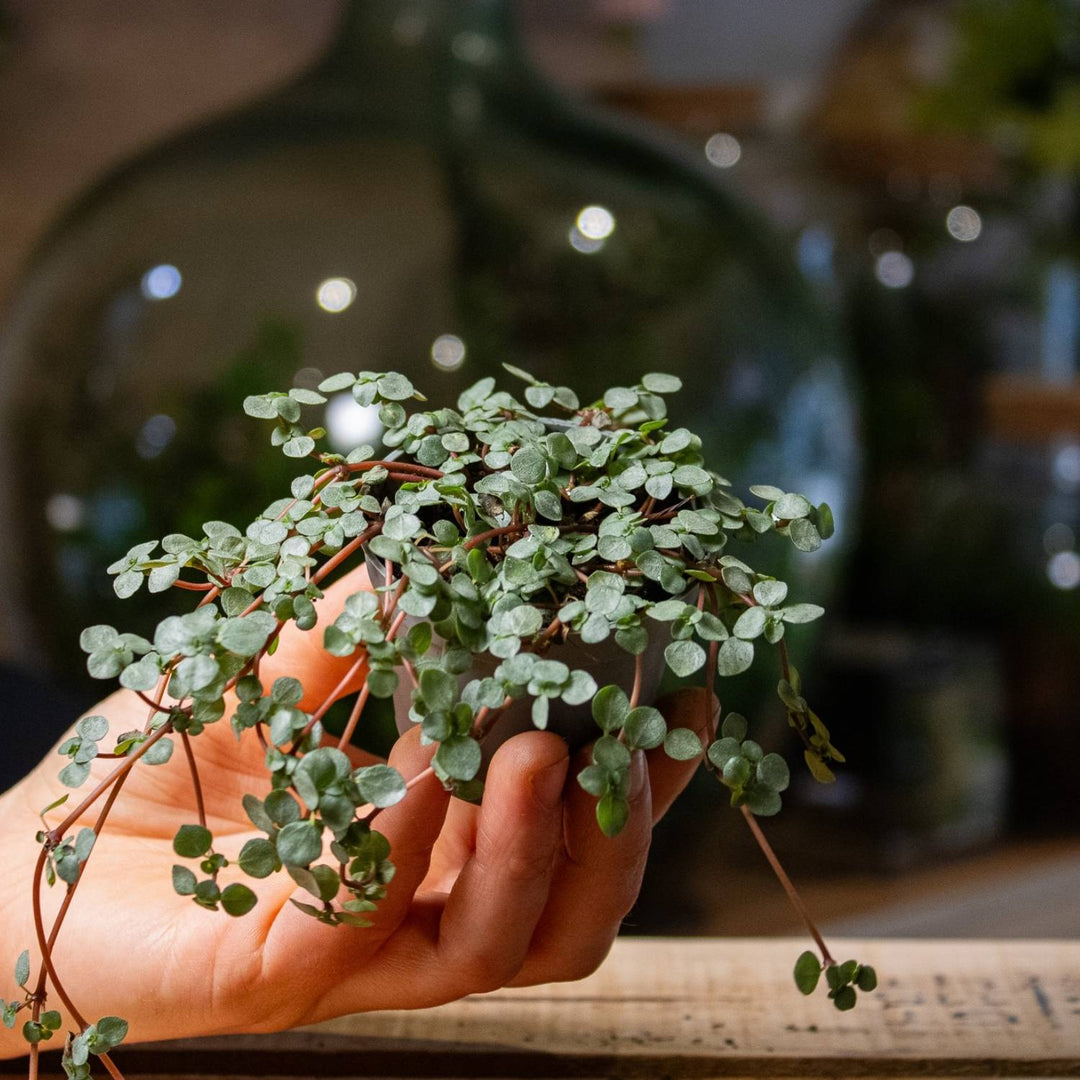
This species is cherished for its soft, velvety leaves with a distinctive quilted texture. Its vibrant green foliage and compact growth make it ideal for terrariums and small spaces.
Pilea cadierei: The Aluminum Plant
Recognizable by its oval, dark green leaves adorned with silver markings, the Aluminum Plant adds a metallic sheen to indoor gardens. Its striking foliage and low-maintenance nature make it a popular choice.
Pilea microphylla: The Artillery Plant
This Pilea is known for its tiny, delicate leaves and the ability to “fire” its pollen when disturbed. It’s often used in terrariums and as a ground cover.
Pilea depressa: The Baby Tears Plant
This creeping Pilea features small, rounded leaves and a cascading growth habit. It’s ideal for hanging baskets and terrariums, adding a touch of whimsy to any setting.

Pileas are generally considered low-maintenance plants, making them suitable for beginners. However, understanding their specific needs is crucial for their optimal growth and health.
Indirect Sunlight is Key
Most Pileas thrive in bright, indirect sunlight. Direct sunlight can scorch their delicate leaves, leading to damage. A location near an east- or north-facing window is often ideal.
Rotating for Even Growth
To ensure even growth and prevent leaning, rotate your Pilea regularly. This will expose all sides of the plant to adequate light.
Watering Frequency
Allow the top inch or two of soil to dry out before watering your Pilea. Overwatering can lead to root rot, a common issue for these plants.
Proper Drainage
Ensure your Pilea is planted in a pot with good drainage to prevent waterlogging. A well-draining potting mix is also essential.
Water Quality
Use room-temperature water for watering your Pilea. Cold water can shock the plant, while overly warm water can promote fungal growth.
Well-Draining Soil
Pileas prefer well-draining soil that retains moisture but doesn’t become waterlogged. A mixture of potting soil, perlite, and peat moss is often recommended.
Potting Considerations
Choose a pot with drainage holes to prevent water accumulation. Repot your Pilea when it outgrows its current container, typically every one to two years.
Ideal Temperature Range
Pileas thrive in temperatures between 60°F and 75°F (15°C and 24°C). Avoid exposing them to extreme temperature fluctuations.
Humidity Preferences
While some Pileas can tolerate average household humidity, others, like the Moon Valley Plant, prefer higher humidity levels. Consider using a humidifier or placing your Pilea in a bathroom or kitchen.
Fertilizer Application
Feed your Pilea with a balanced liquid fertilizer diluted to half strength every two to four weeks during the growing season (spring and summer).
Avoiding Over-Fertilization
Over-fertilizing can lead to salt buildup in the soil and damage your Pilea. Always follow the fertilizer instructions carefully.
Stem Cuttings
Pileas can be easily propagated from stem cuttings. Take a cutting with several leaves and place it in water or moist soil until roots develop.
Leaf Cuttings
Some Pileas, like the Chinese Money Plant, can also be propagated from leaf cuttings. Place a leaf with a portion of the stem in moist soil or water.
Division
Clumping Pileas can be divided at the root level during repotting. Gently separate the plant into smaller sections and repot them individually.
Root Rot
Overwatering is the primary cause of root rot. Ensure your Pilea is planted in well-draining soil and avoid overwatering.
Leaf Drop
Leaf drop can be caused by various factors, including insufficient light, overwatering, underwatering, and temperature fluctuations. Address the underlying issue to prevent further leaf loss.
Pest Infestations
Pileas can be susceptible to pests like spider mites, mealybugs, and aphids. Inspect your plant regularly and treat any infestations promptly.
Leggy Growth
Insufficient light can lead to leggy growth. Provide your Pilea with adequate bright, indirect sunlight to encourage compact growth.
Pileas are versatile plants that can enhance any indoor garden. Their diverse foliage and compact growth habits make them ideal for various settings.
Terrariums
Pileas thrive in the humid environment of terrariums, adding a touch of greenery and texture.
Hanging Baskets
Cascading Pileas, like the Baby Tears Plant, are perfect for hanging baskets, creating a lush, vertical display.
Companion Plants
Pileas can be paired with other low-maintenance houseplants, such as succulents and ferns, to create a harmonious indoor garden.
Pileas have earned their place as beloved houseplants due to their unique beauty, ease of care, and versatility. Whether you’re a seasoned plant enthusiast or a novice gardener, Pileas offer a delightful way to bring a touch of nature indoors. With their diverse varieties and charming aesthetics, Pileas continue to captivate plant lovers worldwide, adding a touch of greenery and tranquility to any space.

:strip_icc()/houseplants-you-cant-kill-Final-180244527c60405fb9668911dab14857.jpg?resize=200,135&ssl=1 "Effortless Greenery: Low-Maintenance Plants For Beginner Gardeners")
:max_bytes(150000):strip_icc()/low-light-conditions-houseplants-1902917-834ee8847a324939b796845a6bc22d36.png?resize=200,135&ssl=1 "Shade Savvy: Thriving Indoor Plants For Low-Light Locations")
