
Here is your article:
# 🌱 The Ultimate Guide to Watering Your Indoor plants (No More Guesswork!)
Hey there, fellow plant parent! So, you’ve brought some beautiful greenery into your home, and now you’re wondering: How often should I actually water this thing?
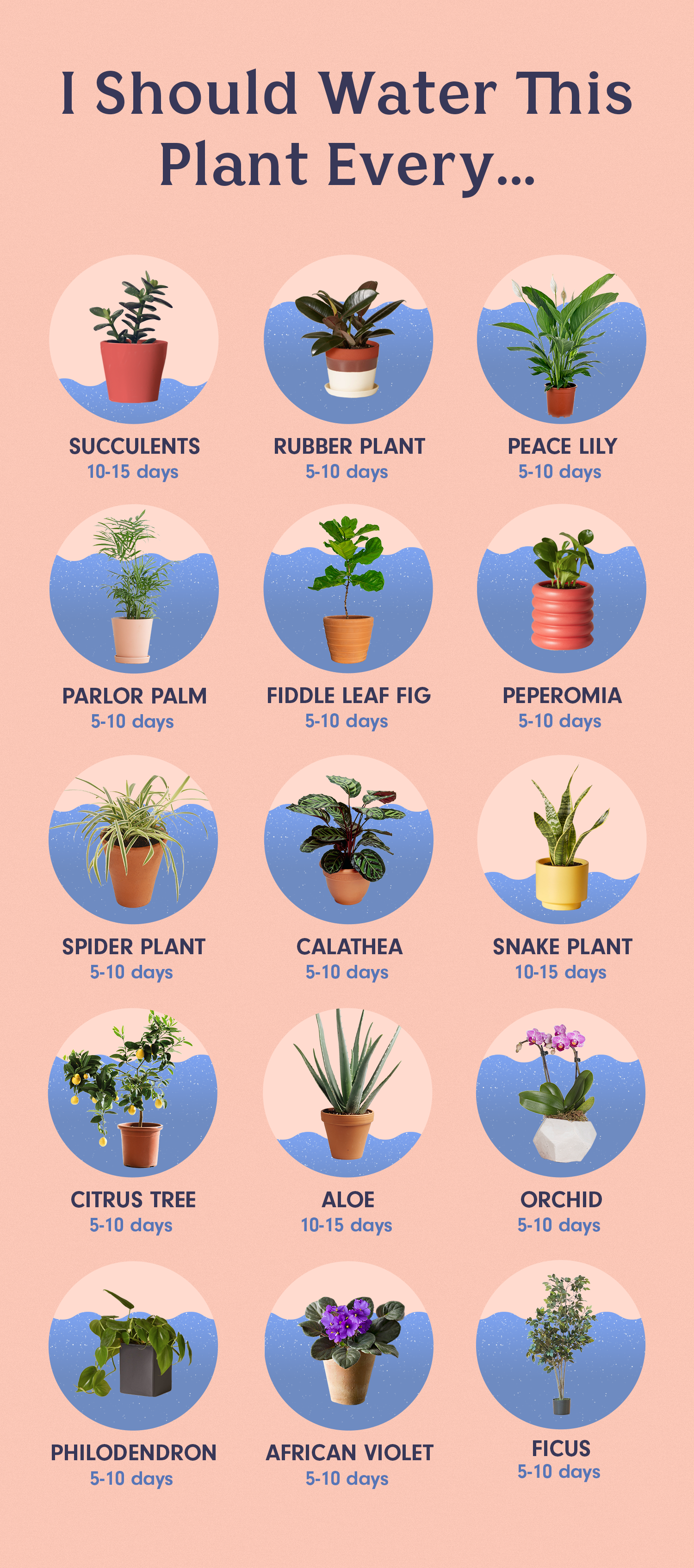
If you’ve ever felt like you’re playing a confusing game of ‘Guess the Soil Moisture’—you’re not alone. Overwatering is the number one plant killer, but underwatering can leave your leafy friends looking sad and crispy.
The truth is, there’s no single, one-size-fits-all answer. Your plant’s watering schedule depends on a whole bunch of factors. Forget those generic ‘water once a week’ tags! We’re going to dive into the real science (and the simple tricks) to keep your indoor jungle thriving.
💧 Why “Watering Once a Week” is a Myth
You might hear people suggest watering every seven days. While that might work for some plants in some homes, it’s a dangerous generalization. Think about it: a tiny succulent in a terracotta pot in a sunny window will dry out way faster than a large Fiddle Leaf Fig in a plastic pot in a dim corner.

🌬️ Understanding the Evaporation Equation
Your plant’s soil moisture is always in a battle with the environment around it. This battle is affected by four major forces:
☀️ Light Level
Plants in bright, sunny spots use water much faster because they are actively photosynthesizing and transpiring (releasing water vapor through their leaves). Plants in low-light areas use water slowly, meaning their soil stays wet for longer.

🌡️ Temperature and Humidity
Warmer air and lower humidity (like during the winter when your heating is running) increase the rate of evaporation from the soil and transpiration from the leaves. Conversely, cooler, humid conditions slow down water use.
🪴 Pot Material and Size
Terracotta (clay) pots are porous and “breathe,” wicking moisture away from the soil, causing it to dry out faster. Plastic and glazed ceramic pots hold moisture in for much longer. Smaller pots dry out faster than larger pots, simply because there is less soil mass to hold the water.
🌲 Plant Type
A desert dweller like a cactus or succulent stores water in its leaves and needs long, dry spells between drinks. A tropical plant like a fern, which evolved in a moist rainforest, needs more frequent watering. Always know your plant’s native habitat!
—
🖐️ The Only Watering Rule You Need: The Finger Test
Since a calendar is a terrible watering tool, you need a reliable method to check the actual moisture in the soil. Luckily, you have the perfect tool right on your hand!
👆 The Simple Three-Step Finger Test
Step 1: Prep Your Finger
Find a clean index or middle finger. You’re going to use it like a soil moisture meter.
Step 2: Dip and Dig
Gently push your finger about one to two inches deep into the soil (up to your first or second knuckle). For very large pots, you might need to go deeper.
Step 3: Evaluate the Results
If the soil feels dry, crumbly, and doesn’t stick to your finger: It’s time to water!
> Pro Tip: Never trust the soil surface! The top layer can look bone dry, but two inches down, the roots might be swimming in water. Always dig a little!
—
🚿 How to Water: More Than Just Dumping Water On Top
Once you’ve decided it’s time to water, the way you water is almost as important as the frequency.
💦 Water Thoroughly Until It Drains
The goal is to soak the entire root ball. Pour water slowly and evenly over the surface of the soil until you see it pouring out of the drainage holes at the bottom of the pot. This is essential! It ensures that all the roots get access to the water and helps flush out any built-up mineral salts that can harm the plant.
⏰ Remove Excess Water After 15 Minutes
The worst thing you can do for a plant is let it sit in a saucer full of water. This is a recipe for root rot, where the roots essentially suffocate and die. About 10-15 minutes after watering, empty any water that has collected in the tray or saucer. If you can’t easily remove the saucer, lift the pot and dump the water out.
🌡️ Use Room Temperature Water
Super cold water can shock your plant’s roots, especially tropical varieties. It’s best to use water that is room temperature or slightly lukewarm. If you’re using tap water, letting it sit out overnight allows chlorine to dissipate, which is better for some sensitive plants.
—
🗓️ Adjusting Your Schedule for the Seasons
Your indoor watering routine shouldn’t be the same all year round. Your plants recognize the change in seasons, even inside your home.
🌞 Spring and Summer (Growing Season)
This is when your plants are most active! They are pushing out new leaves, blooming, and actively using energy. You will likely need to water more frequently—possibly twice as often as you do in winter—to support this growth.
❄️ Fall and Winter (Dormancy)
As the days get shorter, many indoor plants enter a period of rest or reduced growth. Their metabolic rate slows down, meaning they need significantly less water. This is the time to be extra cautious about overwatering. Always wait longer and verify dryness with the finger test before watering.
—
🚫 Common Watering Mistakes to Avoid
❌ Misting Instead of Watering
Misting the leaves increases temporary humidity, which is nice, but it is not a substitute for watering the roots. The roots are what need the water; the leaves just need the humidity.
❌ Using Softened Water
If you have a home water softener, do not use it for your plants! Softened water contains high levels of sodium, which can quickly build up in the soil and become toxic to your plant.
❌ Watering on a Strict Schedule
Repeat after me: You water when the plant needs it, not when the calendar says so. This is the biggest hurdle to overcome for most new plant parents.
—
🎯 Conclusion
Mastering the art of indoor plant watering is all about observation and consistency. Toss out the calendar and embrace the ‘Finger Test’ as your new best friend. Learn to listen to your plants; they communicate their needs through their leaves (drooping, yellowing, etc.). By considering light, temperature, pot type, and season, you’ll be able to create a flexible, plant-centric watering routine that keeps your green companions healthy and happy for years to come. Happy growing!
—
❓ Frequently Asked Questions (FAQs)
❓ What are the signs of overwatering versus underwatering?
Signs of Overwatering
Leaves will often turn yellow (especially the lower ones) and feel mushy or floppy. The soil may have a sour or moldy smell, and the plant will eventually droop, even though the soil is wet.
Signs of Underwatering
Leaves will turn brown or crispy, often starting at the edges, and may curl inwards. The plant will droop, and the soil will pull away from the edges of the pot. Underwatered plants often perk up dramatically soon after a thorough soak.
❓ Should I water from the top or the bottom?
Top Watering
This is the most common method and helps flush out mineral salts.
Bottom Watering
This involves placing the pot in a tray or sink of water and letting the plant soak it up through the drainage holes. This is excellent for plants that hate having wet leaves (like African Violets) and ensures the entire root ball is saturated. A combination of both methods is ideal!
❓ Do my plants need less water in the winter?
Yes, almost universally. In the winter, the days are shorter, and light intensity is lower, which means the plants’ growth slows down, and they don’t transpire as much water. Always allow the soil to dry out more between watering cycles during the dormant winter months.
❓ Is a moisture meter more accurate than the finger test?
A dedicated electronic moisture meter is a great tool, and it can be more accurate than the finger test, especially for deeper pots. However, they can be fragile, and a low-cost one might be inconsistent. The finger test is always free and reliable, so long as you remember to use it! They both work well when used consistently.
❓ My plant’s pot doesn’t have drainage holes. What should I do?
This makes watering much riskier! Without drainage, you have nowhere for excess water to go, guaranteeing root rot if you overwater. The best solution is to use a nursery pot (a plastic pot with drainage) that fits inside the decorative, hole-less pot. That way, you can easily lift the plant out after watering to dump any accumulated water from the decorative container.

:strip_icc()/houseplants-you-cant-kill-Final-180244527c60405fb9668911dab14857.jpg?resize=200,135&ssl=1 "Effortless Greenery: Low-Maintenance Plants For Beginner Gardeners")
:max_bytes(150000):strip_icc()/low-light-conditions-houseplants-1902917-834ee8847a324939b796845a6bc22d36.png?resize=200,135&ssl=1 "Shade Savvy: Thriving Indoor Plants For Low-Light Locations")
