
Absolutely! Here’s a 3000-word article about Gaura, enriched with botanical details, cultivation advice, and its role in landscaping, formatted with `
` and `
` tags instead of “.
Gaura: The Whirling Butterfly plant
Gaura: The Whirling Butterfly plant
Gaura, often called “Whirling Butterflies” or “Bee Blossom,” is a genus of flowering plants belonging to the Onagraceae family, which also includes evening primroses and fuchsias. These plants are renowned for their delicate, airy appearance, long blooming season, and remarkable resilience. Native to North America, particularly the southern United States and Mexico, Gaura has captured the hearts of gardeners worldwide. This article delves into the botanical characteristics, cultivation, and landscaping uses of this charming perennial.
Botanical Characteristics

Taxonomy and Species
The genus Gaura comprises several species, with Gaura lindheimeri being the most popular and widely cultivated. This species is named after Ferdinand Lindheimer, a German-American botanist who collected extensively in Texas. Other species, like Gaura coccinea (Scarlet Gaura), also contribute to the diversity of this genus, though they are less commonly found in gardens.
Physical Appearance
Gaura plants are characterized by their slender, upright stems that bear numerous small, four-petaled flowers. The flowers, resembling butterflies in flight, are typically white or pink, although cultivars with deeper shades of pink and even variegated foliage exist. The leaves are lance-shaped, often hairy, and arranged alternately along the stems. The plant’s overall form is loose and open, creating a graceful, airy effect.
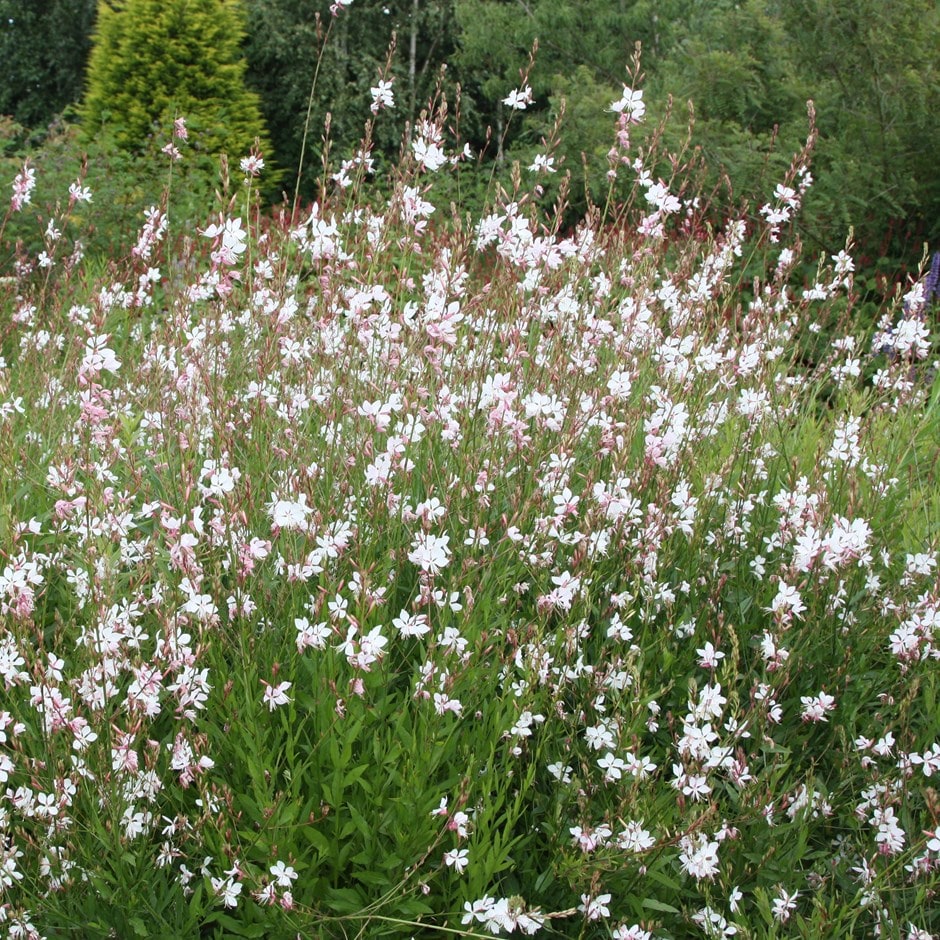
Flowering and Growth Habits
Gaura’s most notable feature is its extended blooming period, which can last from late spring to late autumn. This prolonged flowering makes it a valuable addition to any garden, providing continuous color and attracting pollinators. The plant’s growth habit is clumping, forming a bushy mound that can reach heights of 2 to 5 feet, depending on the cultivar.
Adaptations and Resilience
Gaura is well-adapted to hot, dry conditions, thanks to its deep taproot and drought-tolerant nature. It thrives in well-drained soil and full sun, making it an excellent choice for xeriscaping and low-maintenance gardens. Its resilience extends to its ability to withstand partial neglect, making it a favorite among busy gardeners.
Cultivation and Care
Planting and Propagation
Gaura can be propagated from seeds or cuttings. Seeds should be sown indoors in late winter or early spring, while cuttings can be taken in late spring or early summer. When planting, choose a sunny location with well-drained soil. Space plants about 18 to 24 inches apart to allow for their mature size.
Soil and Sunlight Requirements
Gaura prefers full sun, which promotes vigorous growth and abundant flowering. It thrives in well-drained soil, including sandy or loamy soils. Avoid heavy clay soils, as they can lead to root rot. The ideal pH range is slightly acidic to neutral.
Watering and Fertilizing
Once established, Gaura is remarkably drought-tolerant and requires minimal watering. Overwatering should be avoided, as it can lead to fungal diseases and root problems. A light application of balanced fertilizer in early spring can encourage healthy growth, but excessive fertilization is generally unnecessary.
Pruning and Maintenance
Regular deadheading, or removing spent flowers, can prolong the blooming period and prevent self-seeding, which can sometimes result in unwanted seedlings. In late autumn or early spring, cut back the plant to a few inches above the ground to promote bushier growth and prevent legginess.
Pest and Disease Management
Gaura is relatively resistant to pests and diseases. However, it can occasionally be affected by aphids, spider mites, or powdery mildew. Good air circulation and proper spacing can help prevent these issues.
Overwintering
In colder climates, Gaura may not survive winter outdoors. Mulching around the base of the plant can provide some protection, but it’s often treated as an annual in regions with harsh winters. In milder climates, it will typically overwinter successfully.
Landscaping Uses
Border and Bed Planting
Gaura’s airy texture and long blooming season make it an excellent choice for border and bed plantings. It adds a touch of elegance and movement to any garden, softening harsh lines and creating a natural, relaxed feel.
Cottage Gardens
Gaura’s informal appearance and delicate flowers are perfect for cottage gardens, where it blends seamlessly with other flowering perennials like lavender, echinacea, and salvia.
Xeriscaping and Drought-Tolerant Gardens
Due to its drought tolerance, Gaura is an ideal choice for xeriscaping and water-wise gardens. It thrives in dry, sunny conditions and requires minimal irrigation, making it a sustainable and low-maintenance option.
Container Gardening
Gaura can also be grown in containers, adding vertical interest and a touch of whimsy to patios and balconies. Choose a well-draining potting mix and a container with adequate drainage holes.
Wildlife Gardens
Gaura’s flowers attract a variety of pollinators, including bees and butterflies, making it a valuable addition to wildlife gardens. It provides a vital source of nectar and pollen, supporting biodiversity.
Cut Flower Arrangements
Gaura’s long, slender stems and delicate flowers make it a beautiful addition to cut flower arrangements. It adds a touch of elegance and movement to bouquets and can last for several days in a vase.
Popular Cultivars
‘Whirling Butterflies’
The original and most common cultivar, ‘Whirling Butterflies,’ features white flowers and a tall, upright growth habit.
‘Siskiyou Pink’
‘Siskiyou Pink’ is a popular cultivar with vibrant pink flowers and a compact growth habit, making it ideal for smaller gardens and containers.
‘Crimson Butterflies’
‘Crimson Butterflies’ features deep pink to reddish flowers, adding a bold splash of color to the garden.
‘Passionate Blush’
‘Passionate Blush’ has flowers that open white and then mature to a soft pink, creating a charming two-toned effect.
‘Sparkle White’
‘Sparkle White’ is known for its pure white flowers and compact, bushy growth, making it a versatile choice for various garden styles.
Gaura in the Landscape: Design Tips
Creating a Natural Look
To create a natural, meadow-like effect, plant Gaura in drifts or masses, allowing it to self-seed and spread. Combine it with other native or drought-tolerant plants like grasses, sedums, and yarrow.
Adding Vertical Interest
Gaura’s tall, slender stems add vertical interest to the garden, creating a sense of height and movement. Plant it among lower-growing plants to create a layered effect.
Softening Edges
Gaura’s airy texture and delicate flowers can soften the edges of borders and pathways, creating a more inviting and relaxed atmosphere.
Enhancing Color Schemes
Gaura’s white and pink flowers complement a wide range of color schemes, from cool blues and purples to warm yellows and oranges. Use it to create harmonious and visually appealing plant combinations.
Attracting Pollinators
Plant Gaura near other pollinator-friendly plants to create a vibrant and buzzing habitat for bees, butterflies, and other beneficial insects.
Conclusion
Gaura, with its delicate flowers, extended blooming season, and drought tolerance, is a versatile and valuable addition to any garden. Whether used in borders, containers, or xeriscapes, it brings a touch of elegance and whimsy to the landscape. Its resilience and low-maintenance nature make it a favorite among gardeners of all skill levels. By understanding its botanical characteristics and cultivation requirements, you can enjoy the beauty and benefits of this charming plant for years to come.

:strip_icc()/houseplants-you-cant-kill-Final-180244527c60405fb9668911dab14857.jpg?resize=200,135&ssl=1 "Effortless Greenery: Low-Maintenance Plants For Beginner Gardeners")
:max_bytes(150000):strip_icc()/low-light-conditions-houseplants-1902917-834ee8847a324939b796845a6bc22d36.png?resize=200,135&ssl=1 "Shade Savvy: Thriving Indoor Plants For Low-Light Locations")
