
Absolutely! Here’s a 3000-word article about Epipremnum Marble Queen, focusing on detailed information and organized with
and
tags.
The Majestic Marble Queen: A Guide to Epipremnum Aureum ‘Marble Queen’
The Majestic Marble Queen: A Guide to Epipremnum Aureum ‘Marble Queen’
Epipremnum aureum ‘Marble Queen’, a captivating variant of the popular pothos, stands out with its striking variegated leaves, making it a beloved houseplant among both novice and seasoned plant enthusiasts. Its ease of care, air-purifying qualities, and aesthetic appeal contribute to its widespread popularity. In this comprehensive guide, we’ll delve into the intricacies of caring for this stunning plant, exploring its origins, characteristics, propagation, and common issues.
Origins and Characteristics
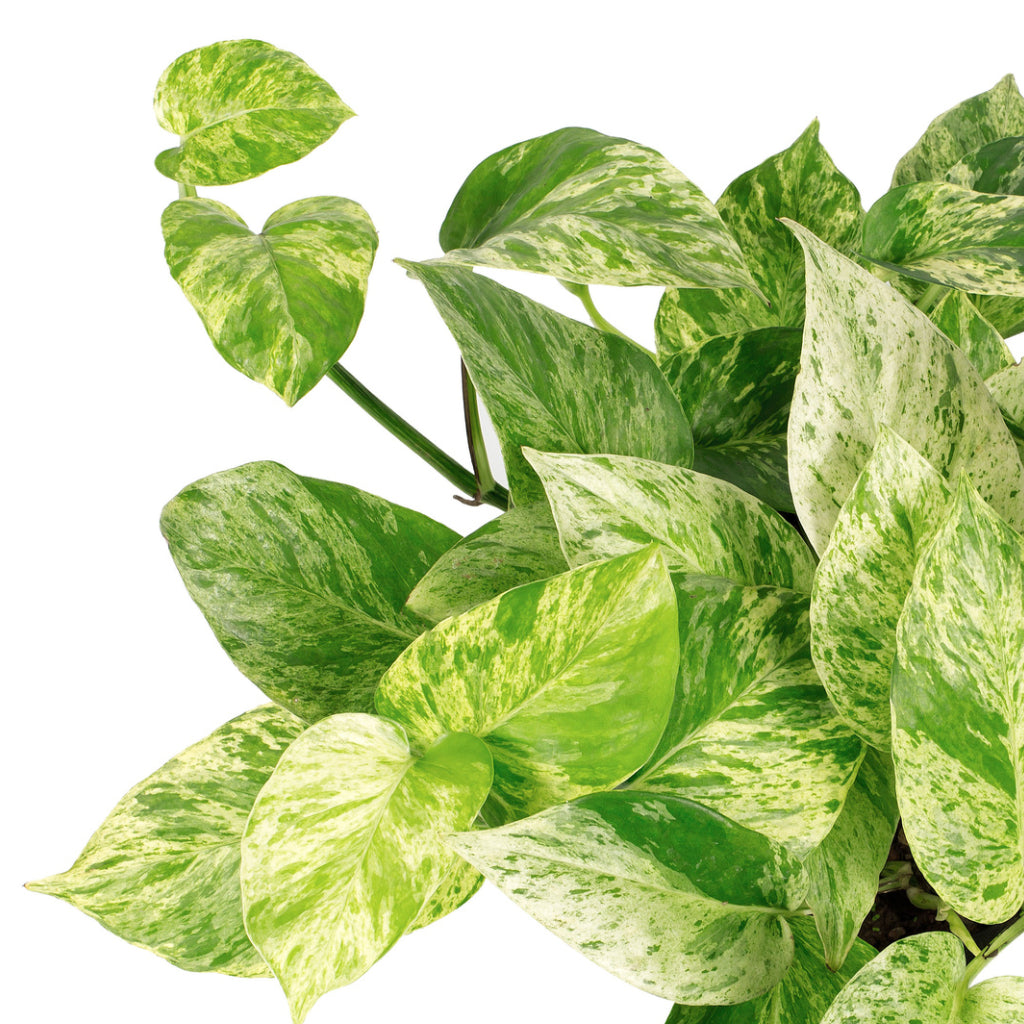
Epipremnum aureum, commonly known as pothos or devil’s ivy, originates from the Solomon Islands. The ‘Marble Queen’ cultivar is distinguished by its heart-shaped leaves that showcase a beautiful blend of creamy white and vibrant green. The proportion of white to green varies, creating unique patterns on each leaf, reminiscent of marble veining—hence the name.
Leaf Variations
The variegation in ‘Marble Queen’ is a result of a mutation that affects chlorophyll production. This results in the white or cream areas of the leaves lacking chlorophyll, making them unable to photosynthesize. Consequently, the green areas are responsible for the plant’s food production. The intensity of variegation can vary significantly depending on light exposure. Higher light levels generally promote more pronounced variegation.
Growth Habits

‘Marble Queen’ is a vining plant that can grow quite long if provided with support. It can be trained to climb trellises, moss poles, or even allowed to trail gracefully from hanging baskets. Its aerial roots allow it to cling to surfaces, aiding in its climbing ability.
Care and Maintenance
Caring for ‘Marble Queen’ is relatively straightforward, making it an excellent choice for beginners. However, understanding its specific needs will ensure it thrives and maintains its beautiful variegation.
Light Requirements
‘Marble Queen’ prefers bright, indirect light. Direct sunlight can scorch the leaves, while insufficient light can cause the variegation to fade, resulting in more green and less white. A location near a window with filtered sunlight is ideal.
Watering
Watering should be done when the top inch or two of the soil feels dry. Overwatering can lead to root rot, a common issue with pothos. Ensure the pot has proper drainage to prevent waterlogging. During the winter months, when growth slows, reduce watering frequency.
Soil and Potting
A well-draining potting mix is crucial for ‘Marble Queen’. A blend of potting soil, perlite, and orchid bark provides the necessary aeration and drainage. Repotting should be done every 1-2 years, or when the plant becomes root-bound. Choose a pot slightly larger than the current one.
Temperature and Humidity
‘Marble Queen’ thrives in average room temperatures between 65-85°F (18-29°C). It can tolerate slightly lower temperatures but should be protected from frost. Average to high humidity is preferred, although it can adapt to lower humidity levels.
Fertilizing
Feed ‘Marble Queen’ with a balanced liquid fertilizer every 4-6 weeks during the growing season (spring and summer). Avoid fertilizing during the winter months when the plant is dormant.
Propagation
Propagating ‘Marble Queen’ is a simple and rewarding process. It can be done through stem cuttings, allowing you to create new plants from a single mother plant.
Stem Cuttings
1. Select a Healthy Stem: Choose a healthy stem with several leaves and nodes (the points where leaves emerge).
2. Cut Below a Node: Using clean, sharp scissors or pruning shears, cut the stem just below a node.
3. Remove Lower Leaves: Remove the lower leaves, leaving a few at the top.
4. Rooting in Water: Place the cutting in a glass of water, ensuring the nodes are submerged but the leaves are above the water.
5. Rooting in Soil: Alternatively, dip the cut end in rooting hormone and plant it in a pot with moist potting mix.
6. Wait for Roots: Roots will typically develop within a few weeks.
7. Potting: Once the roots are a few inches long, transplant the cutting into a pot with well-draining soil.
Common Issues and Solutions
While ‘Marble Queen’ is relatively low-maintenance, it can encounter a few common issues.
Yellowing Leaves
Overwatering: Allow the soil to dry between waterings.
Brown Tips
Dry Air: Increase humidity by misting or using a humidifier.
Leggy Growth
Insufficient Light: Move the plant to a brighter location.
Pests
Mealybugs: Wipe them off with a cotton swab dipped in rubbing alcohol.
Loss of Variegation
Enhancing Variegation
To maintain and enhance the vibrant variegation of ‘Marble Queen’, consider the following:
Light Management
Providing ample bright, indirect light is crucial. Rotate the plant regularly to ensure all sides receive adequate light.
Pruning
Pruning can encourage new growth with more pronounced variegation. Remove stems that are predominantly green to promote the growth of more variegated leaves.
Fertilization
Use a balanced fertilizer to support healthy growth without overwhelming the plant with nitrogen, which can lead to more green growth and less variegation.
Aesthetic Uses and Benefits
‘Marble Queen’ is not only easy to care for but also adds a touch of elegance to any indoor space. Its trailing vines and striking foliage make it a versatile plant for various decorative styles.
Air Purification
Like other pothos varieties, ‘Marble Queen’ is known for its air-purifying abilities. It can remove toxins such as formaldehyde, xylene, and benzene from the air, contributing to a healthier indoor environment.
Decorative Versatility
Hanging Baskets: Allow the vines to cascade down for a dramatic effect.
Conclusion
Epipremnum aureum ‘Marble Queen’ is a delightful and adaptable houseplant that brings beauty and air-purifying benefits to any home or office. Its easy care requirements and striking variegated leaves make it a favorite among plant enthusiasts. By understanding its needs and providing proper care, you can enjoy the majestic presence of this stunning plant for years to come.

:strip_icc()/houseplants-you-cant-kill-Final-180244527c60405fb9668911dab14857.jpg?resize=200,135&ssl=1 "Effortless Greenery: Low-Maintenance Plants For Beginner Gardeners")
:max_bytes(150000):strip_icc()/low-light-conditions-houseplants-1902917-834ee8847a324939b796845a6bc22d36.png?resize=200,135&ssl=1 "Shade Savvy: Thriving Indoor Plants For Low-Light Locations")
