
Absolutely! Here’s a 3000-word article about Allium ursinum, incorporating your request to replace list items with `
` or `
` tags.
Morphology and Growth
Habitat and Distribution
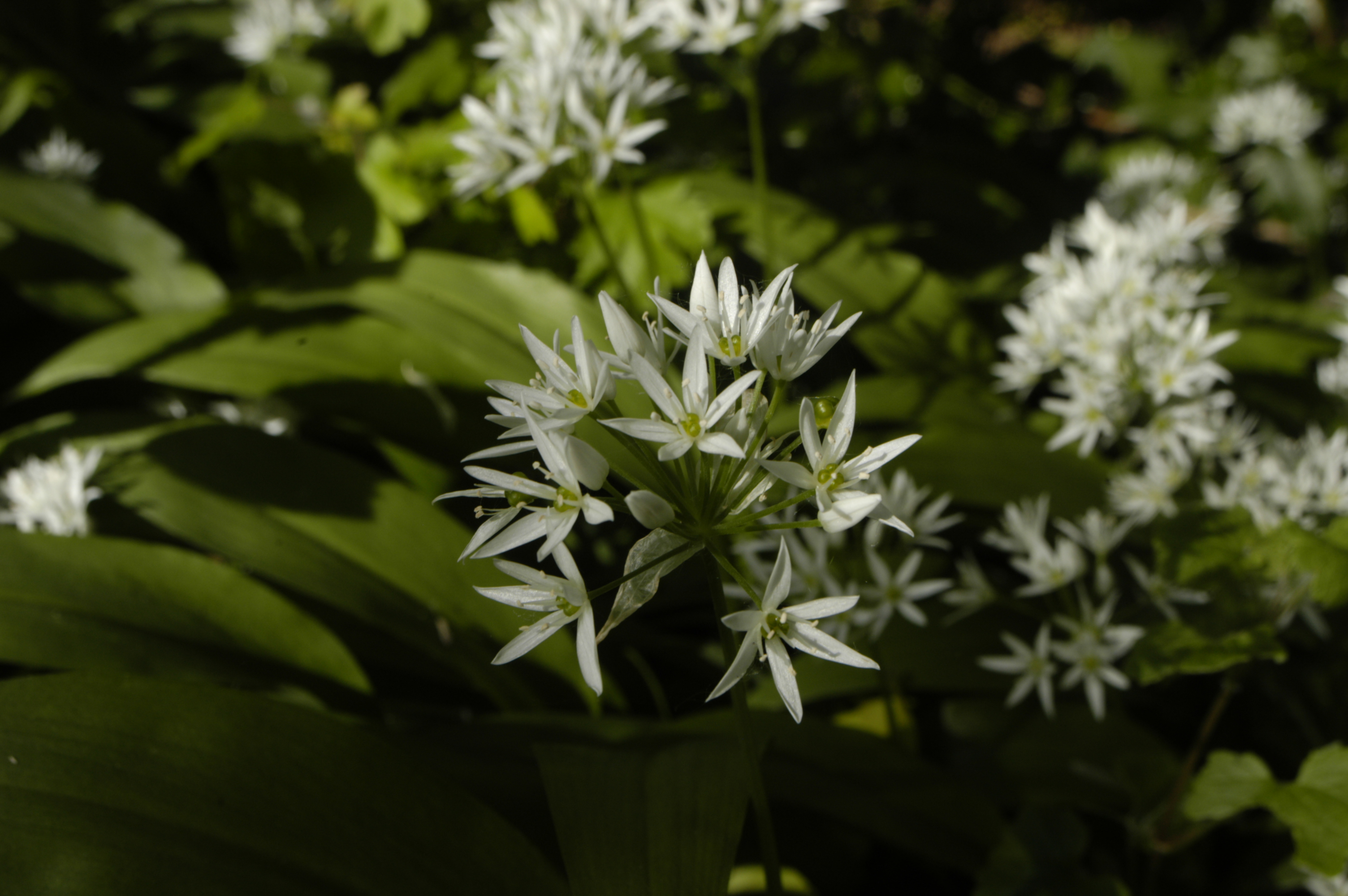
Wild garlic thrives in damp, shady deciduous woodlands, particularly those with rich, humus-rich soil. It is widespread across Europe, from Britain and Scandinavia to the Mediterranean, and extends eastward into Asia. Its preference for specific ecological conditions makes it an indicator species for healthy, undisturbed woodland ecosystems.
Life Cycle
The life cycle of Allium ursinum begins with the sprouting of leaves in early spring. These leaves photosynthesize, providing energy for the plant’s growth and bulb development. Flowering occurs in late spring, followed by seed production. The leaves die back in summer, leaving the bulb dormant until the following spring. This seasonal cycle is crucial for the plant’s survival and propagation.
Biodiversity and Ecosystem Role
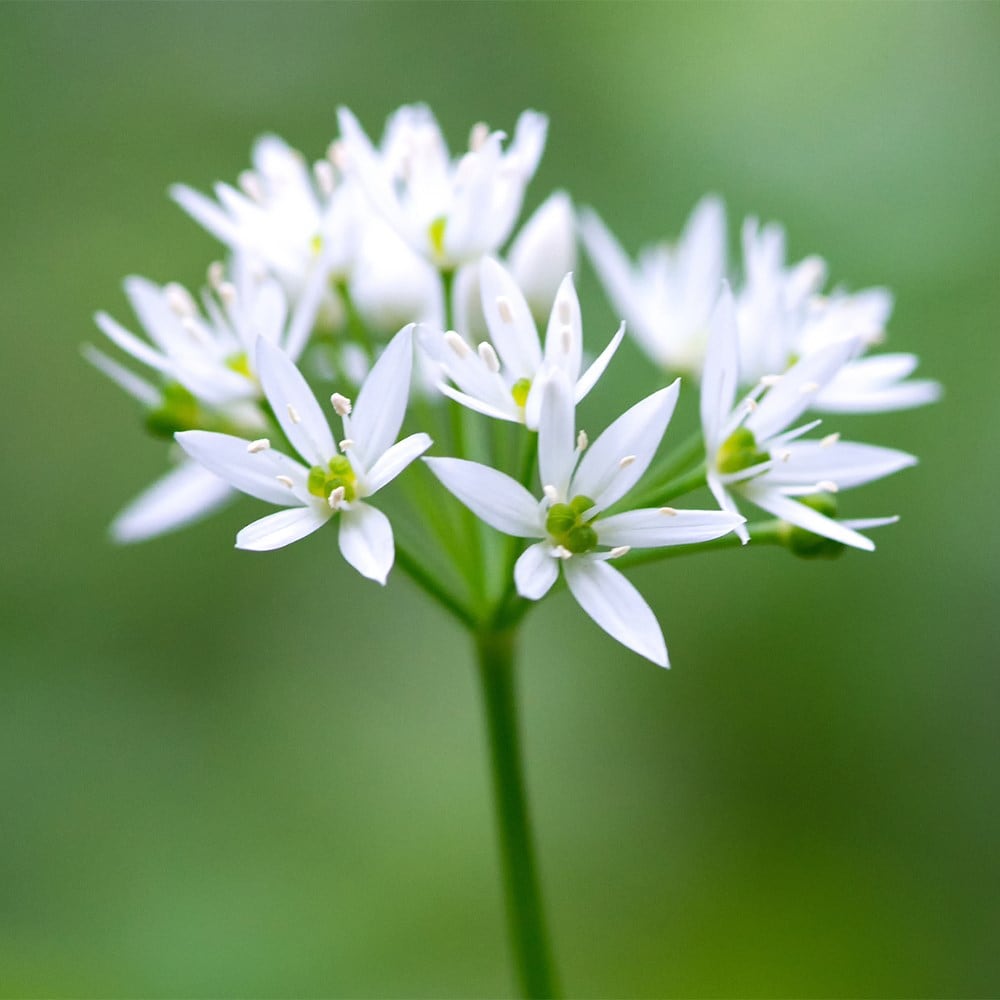
Wild garlic plays a vital role in woodland ecosystems. Its dense growth provides ground cover, preventing soil erosion and creating a microclimate that benefits other plant species. The flowers attract pollinators, contributing to the biodiversity of the forest. The bulbs and leaves also serve as a food source for various animals, including wild boar and deer.
Indicator Species
The presence of Allium ursinum is often an indicator of ancient woodland, reflecting a long-established and relatively undisturbed ecosystem. Its sensitivity to soil conditions and light availability makes it a valuable tool for assessing the health and integrity of forest habitats.
Soil Enrichment
As the leaves of Allium ursinum decompose, they contribute organic matter to the soil, enriching it with nutrients. This process enhances soil fertility and supports the growth of other plant species within the woodland community.
Nutritional Value
Wild garlic is a nutritional powerhouse, rich in vitamins A and C, as well as minerals like iron and calcium. Its high antioxidant content contributes to its health-promoting properties.
Culinary Applications
The leaves, flowers, and bulbs of Allium ursinum are all edible, offering a mild garlic flavor that enhances a wide range of dishes. The leaves are commonly used in pesto, soups, salads, and sauces. The flowers add a delicate garlic note to salads and garnishes. The bulbs can be pickled or used as a garlic substitute.
Traditional Recipes
In many European countries, wild garlic has been a staple ingredient in traditional recipes for centuries. In Germany, it is used to make “Bärlauchpesto” and “Bärlauchsuppe.” In Britain, it is often added to spring salads and soups. In Eastern Europe, it is pickled and preserved for use throughout the year.
Traditional Uses
Historically, Allium ursinum has been used in traditional medicine to treat various ailments. Its purported medicinal properties include antimicrobial, anti-inflammatory, and cardiovascular benefits.
Scientific Research
Modern scientific research has confirmed some of the traditional uses of wild garlic. Studies have shown that it contains compounds that may help lower blood pressure, reduce cholesterol levels, and inhibit the growth of bacteria and fungi.
Active Compounds
The medicinal properties of Allium ursinum are attributed to its active compounds, including allicin, ajoene, and various sulfur-containing compounds. These compounds have been shown to possess antioxidant, anti-inflammatory, and antimicrobial effects.
Responsible Foraging
Sustainable harvesting practices are crucial to ensure the long-term availability of Allium ursinum. It is essential to avoid overharvesting, leaving enough plants to reproduce and maintain the population. Only harvest the leaves, and don’t take the bulbs unless you are in an area where they are very plentiful. Avoid taking too much from a single patch.
Legal Considerations
In some regions, wild garlic is protected by law, and harvesting may be restricted or prohibited. It is essential to check local regulations before foraging to ensure compliance.
Conservation Efforts
Conservation efforts are vital to protect Allium ursinum and its habitats. Habitat loss due to deforestation and agricultural expansion poses a significant threat to its populations. Supporting organizations that work to protect woodlands and promote sustainable foraging practices is essential.
Identifying Features
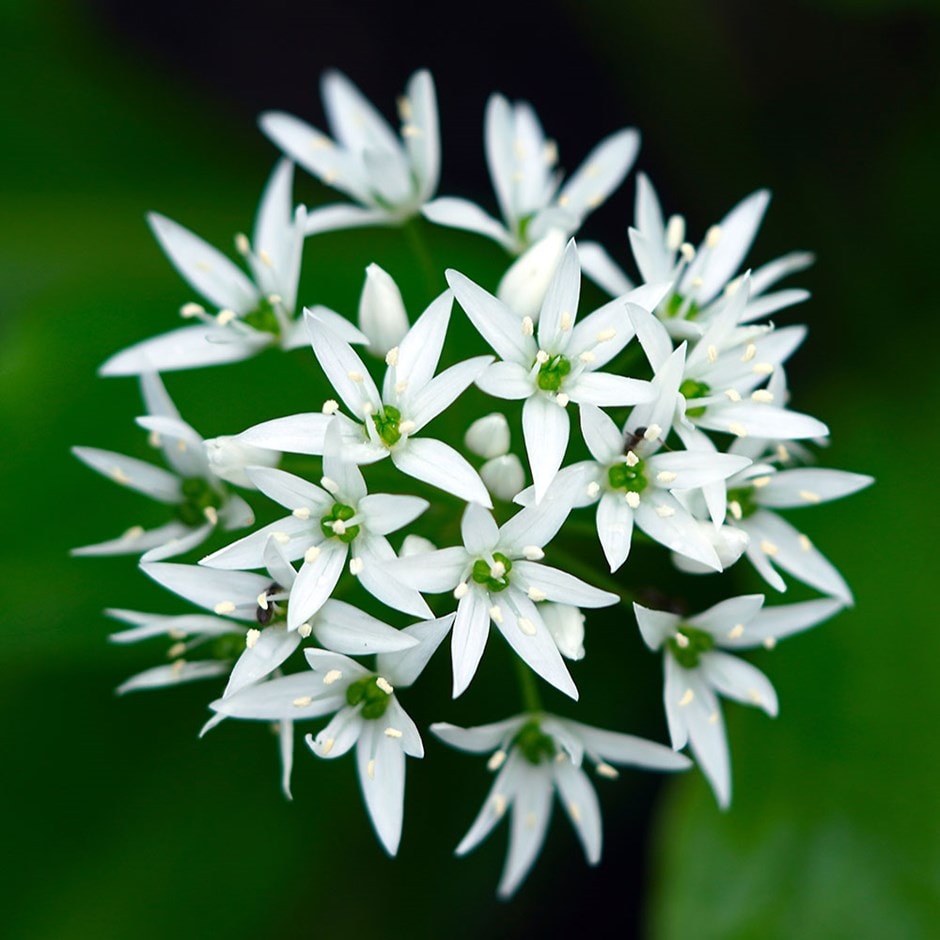
It is crucial to accurately identify Allium ursinum to avoid confusion with poisonous look-alikes, such as lily of the valley and lords-and-ladies. The distinct garlic scent, broad leaves, and white flowers are key identifying features.
Potential Hazards
Consuming misidentified plants can lead to severe poisoning. It is essential to be knowledgeable about plant identification and to forage only in areas where you are confident in your identification skills. If in doubt, do not consume it.
Safety Precautions
When foraging, it is essential to follow safety precautions, such as wearing gloves and washing hands thoroughly after handling plants. It is also advisable to avoid foraging in areas that may be contaminated with pesticides or pollutants.


