-min.png?ssl=1 "Breathe Easier: The Best Air-Purifying Plants For Your Bedroom")
—–
# 🌱 Breathe Easy: The Ultimate Guide to Air Purifying plants for Your Bedroom
Imagine stepping into your bedroom and taking a deep breath of fresh, clean air—not just because you opened a window, but because your décor is actually working for you! If you’ve been looking for a simple, stylish, and incredibly effective way to upgrade your sleep sanctuary, look no further than the humble houseplant.
We spend about a third of our lives sleeping, and the quality of the air we breathe during that time can have a huge impact on our overall health, from reducing stress to improving sleep quality. Your bedroom air, unfortunately, is often filled with invisible toxins, known as Volatile Organic Compounds (VOCs), that are off-gassed from common household items like furniture, paint, carpets, and cleaning products.
-min.png "image.title")
The good news? Mother Nature has provided a powerful, beautiful solution: air purifying plants!
These green superheroes perform a process called phytoremediation, where they absorb toxins through their leaves and transport them down to the root zone, where microbes break the pollutants down into nutrients. It’s a natural, silent, and stylish air filter that works 24/7.
Ready to turn your bedroom into a vibrant, clean-air oasis? Let’s dive into the best air purifying plants that will help you sleep soundly and breathe easier.
—–
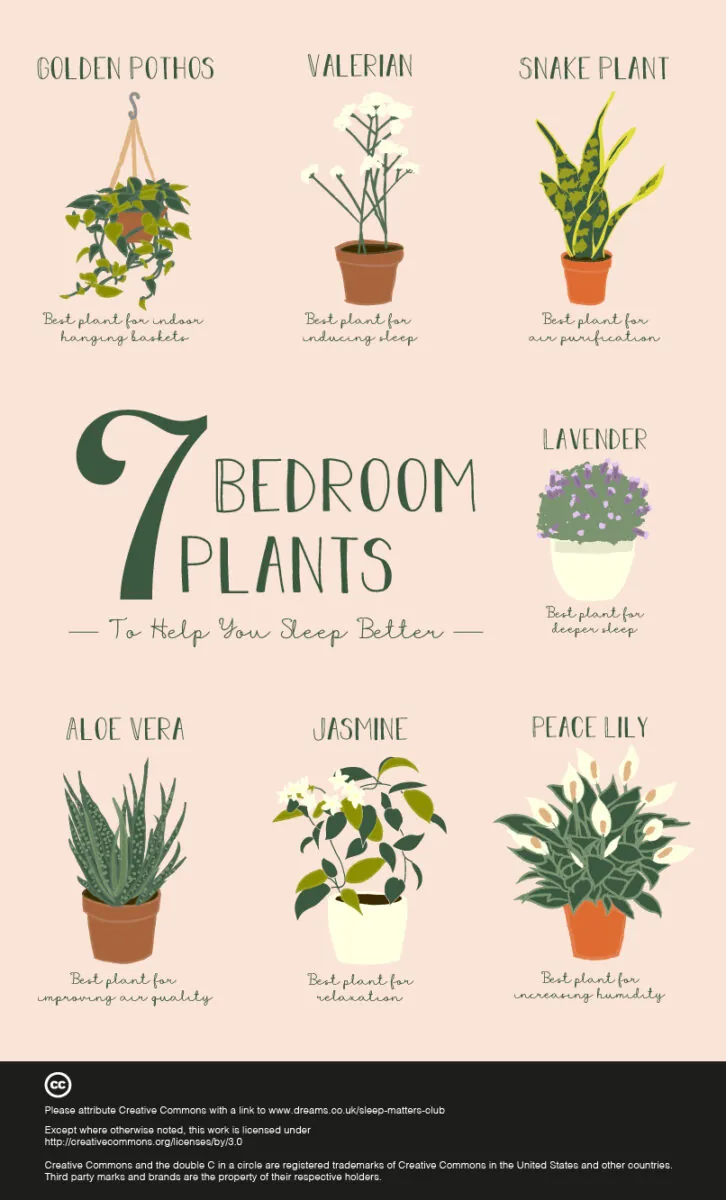
💤 The Top Air Purifying Plants to Supercharge Your Sleep
The key to a good bedroom plant is one that is both excellent at filtering out common toxins (like formaldehyde, benzene, and trichloroethylene) and is low-maintenance enough for even the most forgetful plant parent.
Snake Plant (Sansevieria trifasciata)
The Snake Plant, also affectionately known as Mother-in-Law’s Tongue, is an absolute powerhouse for the bedroom.
Why it’s a bedroom superstar: Unlike most plants that perform photosynthesis and release oxygen only during the day, the Snake Plant uses Crassulacean Acid Metabolism (CAM). This means it releases oxygen at night, making it a fantastic choice for improving your air quality while you sleep. It’s superb at filtering out formaldehyde and benzene.
Care Tip: Water it sparingly—seriously. It prefers dry conditions, so once every few weeks is often enough. Overwatering is the number one killer of this plant!
Peace Lily (Spathiphyllum)
With its glossy green leaves and beautiful, elegant white blooms, the Peace Lily brings a touch of calm and sophistication to any room.
Why it’s a bedroom superstar: This plant is famous for tackling all three of the most common indoor VOCs: formaldehyde, benzene, and trichloroethylene. Plus, it can actually help increase the humidity in your room by up to 5%, which can be a lifesaver during dry winter months, helping to ease scratchy throats and dry skin.
Care Tip: The Peace Lily is dramatic! It will tell you exactly when it needs water by drooping its leaves. Give it a good drink when you see it wilt, and it will perk right back up. Keep it in a spot with moderate, indirect light.
Spider Plant (Chlorophytum comosum)
The Spider Plant is one of the easiest houseplants to grow, making it perfect if you’re a beginner or just want a fuss-free green companion.
Why it’s a bedroom superstar: Known for its resilience and fast-growing nature, the Spider Plant is exceptional at filtering formaldehyde and xylene (a solvent found in leather, rubber, and printing products). It’s also incredibly easy to propagate, meaning you can quickly fill your home with its air-cleansing goodness just by potting up its little “spiderette” babies.
Care Tip: This plant thrives in bright, indirect sunlight but can tolerate low light. It’s very forgiving if you forget to water it occasionally and is non-toxic, making it great for homes with pets.
English Ivy (Hedera helix)
Often seen climbing up walls outside, English Ivy can also be grown beautifully indoors in a hanging basket or trailed along a shelf.
Why it’s a bedroom superstar: A NASA study showed that English Ivy is one of the very best plants for filtering airborne fecal matter particles and mold, which can be particularly beneficial for those with allergies or asthma. It’s also fantastic at removing formaldehyde.
Care Tip: English Ivy likes its soil to be slightly moist but not soggy. It prefers cooler temperatures and bright, indirect light, though it will do fine in moderate light as well. A note of caution: Keep it out of reach of pets, as it is toxic if ingested.
Pothos (Epipremnum aureum)
Also known as Devil’s Ivy, this plant gets its name because it’s practically impossible to kill. It’s famous for its beautiful, cascading vines that can quickly cover a wall or shelf.
Why it’s a bedroom superstar: The Pothos is a champion at removing formaldehyde, carbon monoxide, and benzene. Its lush leaves can also help regulate humidity. It’s a very fast grower and looks incredible when placed on top of a wardrobe or tall dresser.
Care Tip: Pothos is extremely low-maintenance. It can tolerate low light, although bright indirect light will help its variegation stand out. Allow the top inch or two of soil to dry out completely between waterings.
—–
🌿 General Tips for Maximizing Your Plant’s Air-Purifying Power
Don’t Overdo It
While it’s tempting to turn your room into a jungle, you don’t need dozens of plants. Studies suggest that for optimal air cleaning, you need about one potted plant for every 100 square feet of space. A few strategically placed, healthy plants will do the trick!
Keep Them Healthy and Clean
A dusty leaf is a sluggish leaf! Plants absorb toxins through their leaves, so if the surface is covered in dust, their ability to filter the air is reduced. Give the leaves a gentle wipe-down with a damp cloth every few weeks to keep them working efficiently.
Choose the Right Potting Mix
Toxins aren’t just absorbed by the leaves; a significant amount of the air-cleaning magic happens in the soil. Make sure you use a high-quality potting mix and a pot with a drainage hole. The microorganisms in the soil are essential for breaking down the VOCs absorbed by the plant.
—–
✨ Conclusion
Turning your bedroom into a clean-air haven is a beautiful, budget-friendly project that offers significant rewards. Adding a Snake Plant, a Peace Lily, or a simple Pothos is more than just a decorating choice—it’s an investment in your health, your sleep quality, and your overall well-being. By inviting these natural air purifiers into your most restful space, you are creating an environment that supports deep, restorative sleep night after night. So go ahead, introduce a little green friend to your bedroom, and start breathing easier!
—–
❓ Frequently Asked Questions (FAQs)
How long does it take for air purifying plants to start working?
You won’t notice a difference overnight, but the process begins immediately! Air purification by plants is a continuous, long-term process. Studies show that a noticeable, measurable reduction in VOCs can occur within just a few days of introducing the plants, but the biggest benefits come from keeping them in your space permanently.
Do I need to worry about plants in the bedroom increasing humidity or mold?
For most people, no. The amount of water vapor released by a few indoor plants is minimal and rarely enough to create a mold issue in a properly ventilated home. In fact, many people find the slight increase in humidity beneficial, especially in dry, centrally-heated homes. Just ensure you don’t overwater the plants and that their pots drain properly.
Which air purifier plant is the best if I have pets or children?
If you have curious pets or young children, you should always prioritize non-toxic options. The Spider Plant and the Parlor Palm are excellent, highly effective, and generally considered safe for cats and dogs. Always double-check with a reliable source before bringing any new plant home.
Is it true that the soil microbes do most of the air purifying?
Yes, that’s correct! While the leaves absorb the airborne toxins (VOCs), they then move those compounds down to the root system. The majority of the cleaning power comes from the beneficial microorganisms (bacteria and fungi) that live in the soil and on the roots, which break down the pollutants and turn them into harmless substances or plant food.
Can one plant clean an entire large room?
For maximum effect, no. Plants are effective, but their cleaning power is localized. It’s best to have a concentration of plants in the area you spend the most time in (like your bedroom). Experts generally recommend one medium-sized plant in a 6 to 8-inch diameter pot per 100 square feet to make a noticeable difference in indoor air quality.
—–

:strip_icc()/houseplants-you-cant-kill-Final-180244527c60405fb9668911dab14857.jpg?resize=200,135&ssl=1 "Effortless Greenery: Low-Maintenance Plants For Beginner Gardeners")
:max_bytes(150000):strip_icc()/low-light-conditions-houseplants-1902917-834ee8847a324939b796845a6bc22d36.png?resize=200,135&ssl=1 "Shade Savvy: Thriving Indoor Plants For Low-Light Locations")
-min.png?ssl=1&description=Breathe%20Easier%3A%20The%20Best%20Air-Purifying%20Plants%20For%20Your%20Bedroom)