
🌱 The Growing Trend of Indoor Greenery
In recent years, the humble houseplant has made a monumental comeback. It’s more than just a fleeting trend; it’s a way of life. Filling our homes with greenery brings a slice of the outdoors in, boosting our mood, reducing stress, and even purifying the air we breathe. From the minimalist aesthetic of a single striking succulent to the lush, jungle vibes of a room brimming with foliage, plants have become essential elements of modern home decor and wellness.
But for those of us who share our space with furry companions—the curious cats and playful dogs who consider every new item a potential toy or snack—this green revolution comes with a necessary caution. Many common, beautiful houseplants are actually toxic to pets if ingested. This realization can put a damper on your dream of an indoor jungle. The good news? You absolutely don’t have to choose between your beloved pets and your passion for plants! There is a huge, vibrant world of gorgeous, non-toxic plants that are completely safe for your four-legged friends.
💚 Why Pet Safety is Paramount
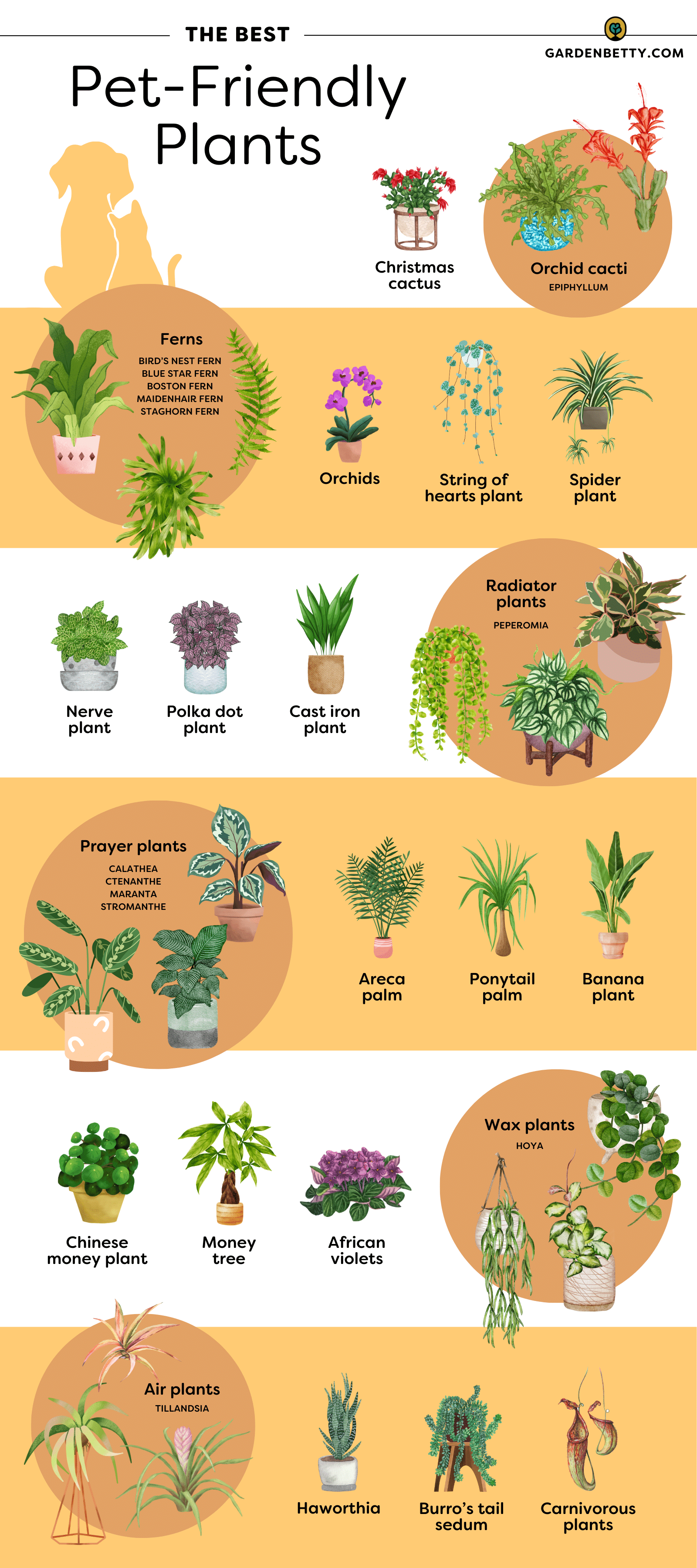
Let’s be real: dogs and cats are naturally curious. A dangling frond or a colourful flower can look like an irresistible invitation to a chew session. While some pets are content to simply sniff and ignore, others are determined plant-nibblers. The risks associated with bringing toxic plants into your home range from mild stomach upset to severe, life-threatening conditions, depending on the plant and the amount consumed.
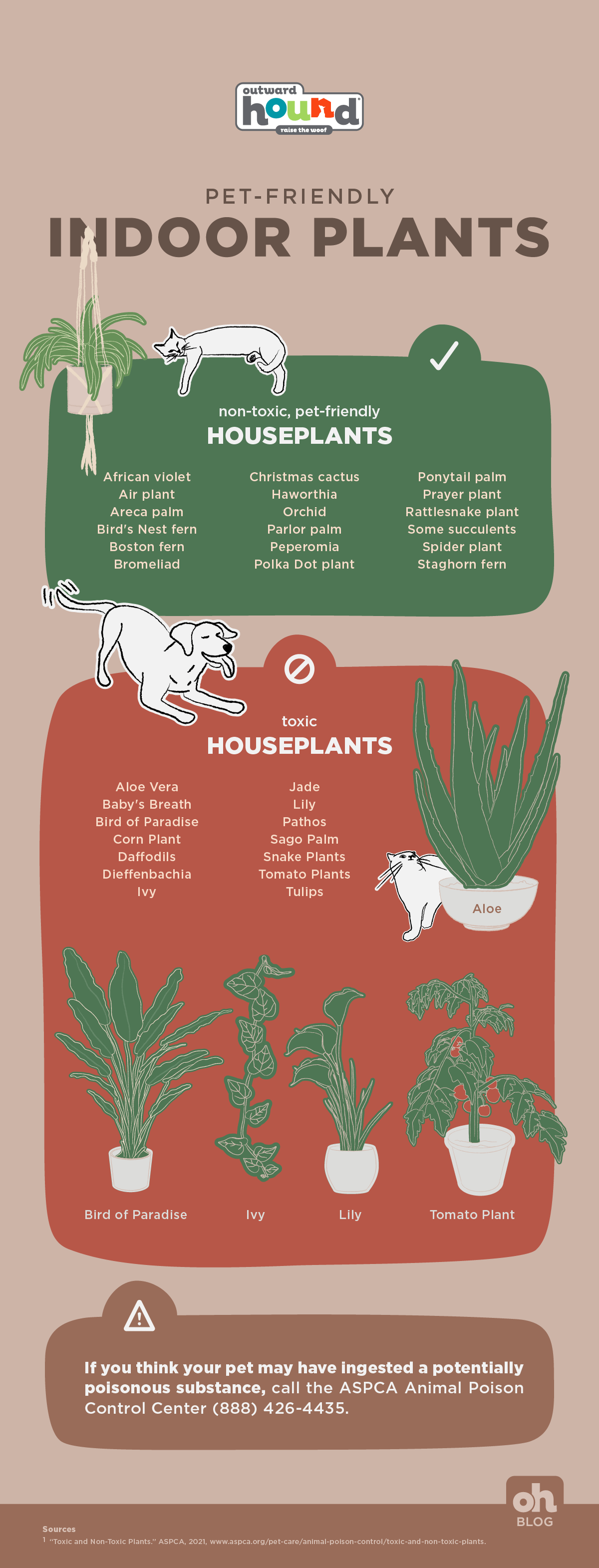
The American Society for the Prevention of Cruelty to Animals (ASPCA) maintains comprehensive lists of plants that are toxic and non-toxic to both cats and dogs. Consulting resources like this is the single most important step in creating a safe indoor environment. By proactively choosing plants that are on the “safe” list, you can enjoy your greenery without the constant worry of an emergency vet visit. Opting for non-toxic varieties allows you to fully embrace the decorative and wellness benefits of houseplants while ensuring the well-being of your entire household, including the ones with paws.
🏡 Finding the Perfect Pet-Friendly Plant for Every Spot
The sheer variety of pet-safe plants means you can find a perfect match for any room, light condition, and style. Whether you need a towering statement piece or a tiny trailing accent, there’s a non-toxic option waiting.
🌿 Iconic and Easy-Care Choices
These plants are incredibly popular for a reason: they’re not only beautiful and safe but also wonderfully low-maintenance, making them perfect for beginners and seasoned plant parents alike.
Spider Plant (Chlorophytum comosum)
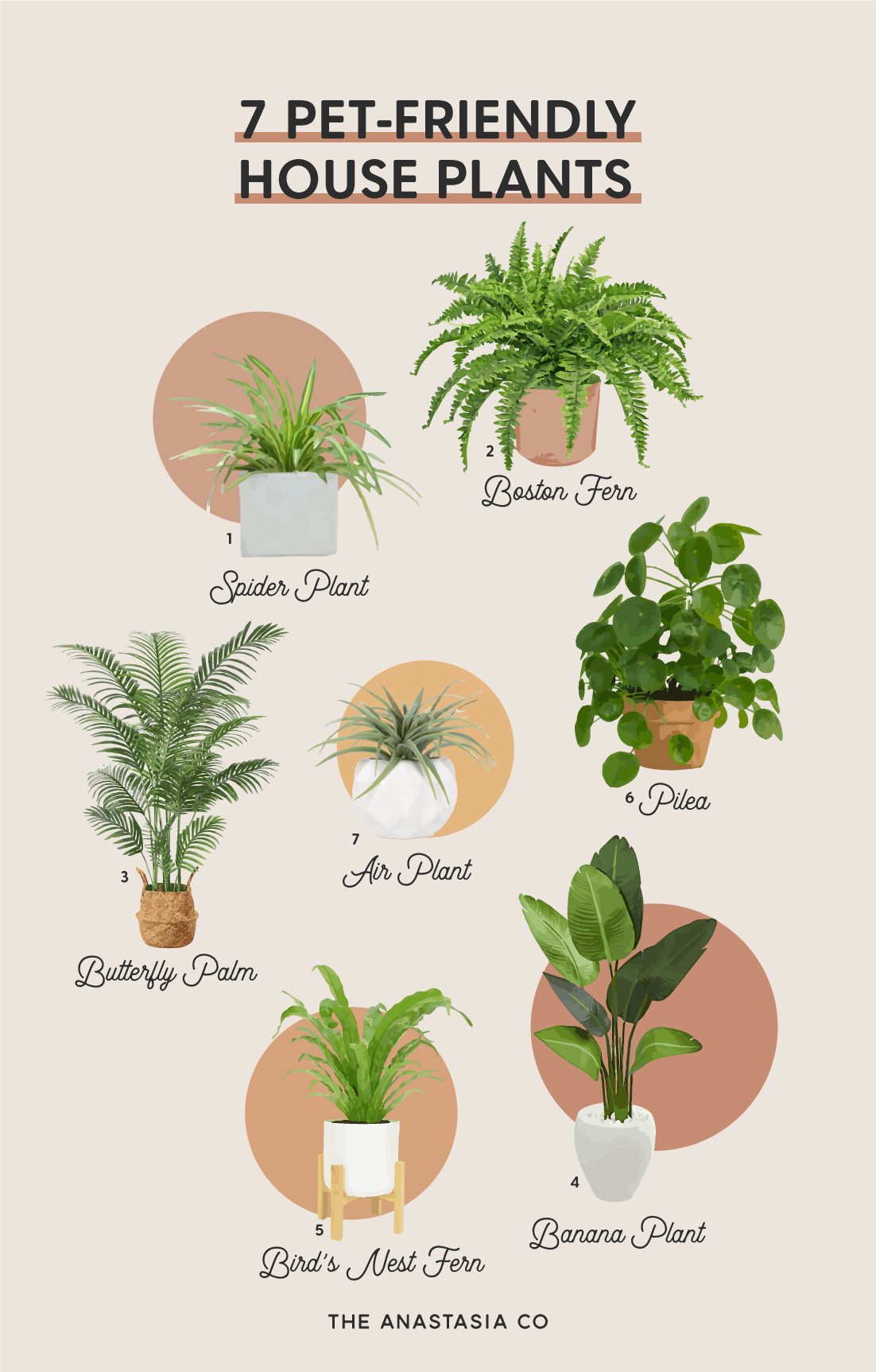
The Spider Plant is a classic for a reason. Its arching, variegated leaves and propensity for producing “spiderettes” (little baby plants that hang down like spiders on a thread) make it a perfect candidate for hanging baskets where pets can admire it from below, or for high shelves. It’s non-toxic to cats and dogs. Bonus: it’s super resilient and can handle a little neglect!
Moth Orchid (Phalaenopsis spp.)
If you crave a pop of colour and elegance, the common Moth Orchid is a stunning, non-toxic choice. Often mistakenly thought to be difficult, these orchids are surprisingly easy to care for and can bloom for months at a time. They add a sophisticated touch to any space without posing a threat to your pets.
African Violet (Saintpaulia ionantha)
Another flowering favorite, the African Violet, is completely safe for both dogs and cats. These charming plants feature fuzzy leaves and bloom in delightful shades of purple, pink, and white, even in lower light conditions. They are compact, making them ideal for windowsills or small tables, and they bring continuous colour to your home.
🌴 Lush and Tropical Vibes
If you’re aiming for a jungle feel, several larger, leafy options are completely pet-safe and create a stunning visual impact.
Prayer Plant (Maranta leuconeura)
Known for its beautiful, velvety leaves with striking red veins and its habit of folding its leaves up at night (like hands in prayer), the Prayer Plant is a vibrant and non-toxic choice. It prefers indirect light and a little humidity, making it a wonderful addition to a bathroom or kitchen. The movement of its leaves also provides a little extra visual interest!
Calathea Varieties (Calathea spp. or Goeppertia spp.)
The Calathea family, sometimes referred to as ‘peacock plants’ or ‘rattlesnake plants’ for their incredibly patterned foliage, offers some of the most eye-catching leaves in the plant world. All Calatheas are considered non-toxic to pets, including popular varieties like the Calathea Orbifolia and Calathea Rattlesnake. They are beautiful, safe, and air-purifying, making them a triple threat!
Parlor Palm (Chamaedorea elegans)
If you’re looking for something with height and drama, the Parlor Palm is a graceful, slow-growing palm that is non-toxic to both cats and dogs. It tolerates lower light conditions better than many other palms and can grow to several feet tall, giving you that sought-after vertical greenery without the worry.
🪴 Unique and Trailing Beauties
For shelves, desks, and hanging planters, these unique pet-safe plants offer a variety of textures and growth habits.
Peperomia Varieties (Peperomia spp.)
The Peperomia family is vast, offering a huge range of leaf shapes, colours, and textures, from the thick, fleshy leaves of the Watermelon Peperomia to the trailing vines of the Peperomia Prostrata (String of Turtles). Almost all Peperomias are non-toxic, and they are generally very easy to care for, thriving in moderate light. They make excellent desk companions or small accent plants.
Hoya Plants (Hoya carnosa and others)
Also known as Wax Plants, Hoyas are semi-succulent vines with waxy leaves and often fragrant, beautiful star-shaped flowers. They are generally considered pet-safe and come in many varieties with different foliage patterns and colors, such as the Hoya carnosa ‘Compacta’ (Hindu Rope Plant). They look fantastic climbing a small trellis or simply trailing from a shelf.
Boston Fern (Nephrolepis exaltata)
The Boston Fern is a timeless classic that brings an airy, ruffled texture to your space. While cats might love batting at its delicate fronds, you can rest easy knowing this plant is non-toxic. It loves high humidity, so it’s another great choice for a bathroom, but it will thrive in other rooms with consistent watering.
💡 Beyond the Plant: Creating a Truly Safe Home
Choosing non-toxic plants is the essential first step, but a truly pet-safe indoor garden requires a few extra considerations. Remember, while a plant might be non-toxic, consuming large amounts of any plant matter can still cause mild digestive upset for your pet.
Consider Placement and Deterrents
Even if a plant is safe, you might prefer your pet not to chew on it. Strategically placing plants on high shelves, in hanging planters, or in rooms that your pets don’t frequent can significantly reduce temptation. You can also try natural, pet-friendly deterrents. Some pet owners find that misting leaves with a diluted bitter apple spray or sprinkling a little cinnamon (which cats dislike) on the soil can discourage nibbling.
Mind the Soil and Fertiliser
It’s not just the leaves you need to worry about; pets sometimes like to dig or eat the potting soil. Fertiliser can also be harmful if ingested. Always use organic, pet-safe fertilisers when feeding your plants and consider covering the soil with large decorative pebbles or a layer of mesh to prevent digging.
Watch for Toxic Look-Alikes
It’s crucial to know the specific name of your plant. Many plants have common names that sound similar to toxic species. For example, a non-toxic Chinese Money Plant (Pilea peperomioides) is vastly different from a toxic Jade Plant (Crassula ovata). Always use the full botanical (scientific) name to confirm the plant’s safety with a trusted resource like the ASPCA.
wrap-up: Your Green, Worry-Free Home
Creating a safe, lush indoor garden when you have pets is entirely possible and deeply rewarding. By sticking to the wide range of non-toxic plants—from the architectural beauty of the Parlor Palm to the cheerful flowers of the African Violet—you ensure that your home remains a sanctuary for every member of your family, furry ones included. Remember, a thriving plant collection adds so much to your home environment: cleaner air, reduced stress, and vibrant natural beauty. With a little careful selection and smart placement, you can enjoy all the benefits of an indoor jungle without ever compromising your pet’s safety. Happy planting!
—
❓ 5 Unique FAQs After The Conclusion
Q1. What should I do immediately if I suspect my pet has eaten a potentially toxic plant?
The most important first step is not to panic. Immediately remove any remaining plant matter from your pet’s mouth and call your veterinarian or an animal poison control center (like the ASPCA Animal Poison Control Center) right away. Have the name of the plant ready, if possible, to give the professional precise information so they can advise you on the best course of action. Do not wait for symptoms to appear.
Q2. Are there any general plant families I should always avoid, even if I find a safe variety?
Yes, as a general rule, it’s wise to be extra cautious with the Amaryllidaceae family (like Daffodils and Amaryllis bulbs) and the Araceae family (like Philodendrons, Pothos, and Peace Lilies), as these contain crystals that are often toxic. Also, all true Lilies (especially Lilium and Hemerocallis species) are highly toxic and often fatal to cats, so they should be completely avoided indoors.
Q3. Is cat grass or catnip a good alternative for pets who love to chew on plants?
Absolutely! Cat grass (which is typically barley, wheat, oat, or rye grass) and Catnip (Nepeta cataria) are non-toxic and can be great distractions. Providing your cat or dog with their own safe, chewable plant can often divert their attention away from your decorative houseplants, satisfying their natural urge to nibble on greenery.
Q4. Does “non-toxic” mean my pet can eat as much of the plant as they want?
No, the term “non-toxic” means the plant does not contain poisons that cause serious illness or death. However, any plant matter ingested in large quantities can still lead to a mild stomach upset, such as vomiting or diarrhea, simply because it’s not part of their normal diet. Moderation and discouraging large-scale nibbling are still key for your pet’s digestive comfort.

:strip_icc()/houseplants-you-cant-kill-Final-180244527c60405fb9668911dab14857.jpg?resize=200,135&ssl=1 "Effortless Greenery: Low-Maintenance Plants For Beginner Gardeners")
:max_bytes(150000):strip_icc()/low-light-conditions-houseplants-1902917-834ee8847a324939b796845a6bc22d36.png?resize=200,135&ssl=1 "Shade Savvy: Thriving Indoor Plants For Low-Light Locations")
