
When the sun is blazing and the temperature soars, it’s not just us who feel the heat—our beloved plants are also working hard to survive and flourish. Hot weather can be tough on any garden, whether you’re tending to a few potted companions on a balcony or managing sprawling flower beds. The good news is that with a few simple, strategic care adjustments, you can help your green friends beat the heat and continue to look vibrant all summer long. This comprehensive guide will walk you through the essential steps to protect your plants from scorching temperatures and dry spells, ensuring a healthy, happy garden no matter how high the mercury rises.
Watering: The Golden Rule of Summer Plant Care
Water is the single most critical factor in plant survival during hot weather. However, it’s not just about how much you water, but how and when you do it. Proper watering can make the difference between a thriving plant and one that’s struggling.
Water Wisely: Timing is Everything
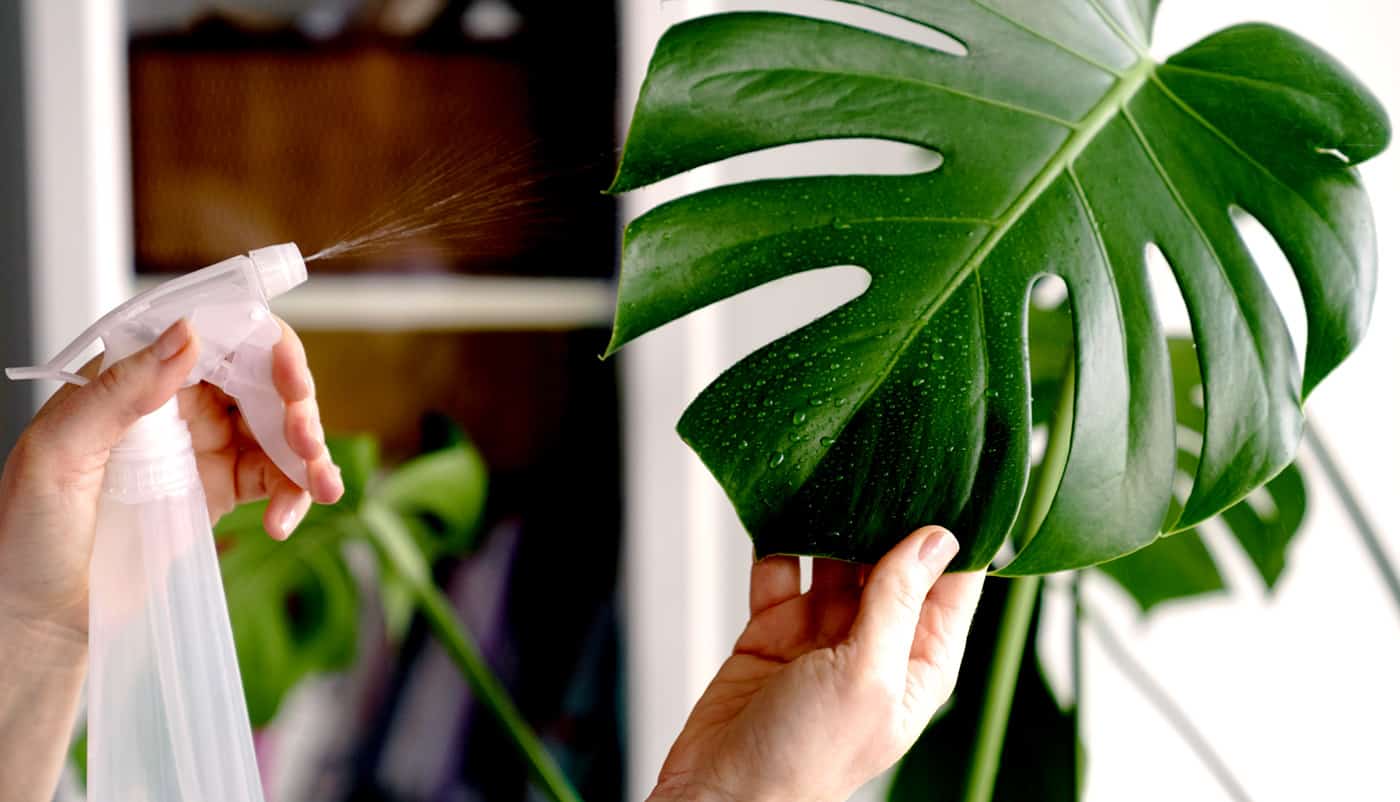
The absolute best time to water your plants is early in the morning, ideally before 9 a.m. Why? Watering when it’s cool gives the plants a long window to absorb the moisture before the sun’s intensity causes rapid evaporation. This ensures the water actually reaches the roots, which is where it’s needed.
The second-best time is the late afternoon or early evening, after the sun has begun to recede and the temperature starts to drop. While this is better than watering midday, be careful to focus the water on the soil and not the leaves. Wet leaves left overnight can encourage fungal diseases and attract pests like slugs and snails, which love cool, damp conditions.
Soak Deeply, Not Often
Many people make the mistake of giving their plants a quick sprinkle every day. This encourages shallow root growth because the roots only need to stay near the surface to find water. Shallow roots are highly vulnerable to drying out and heat stress.
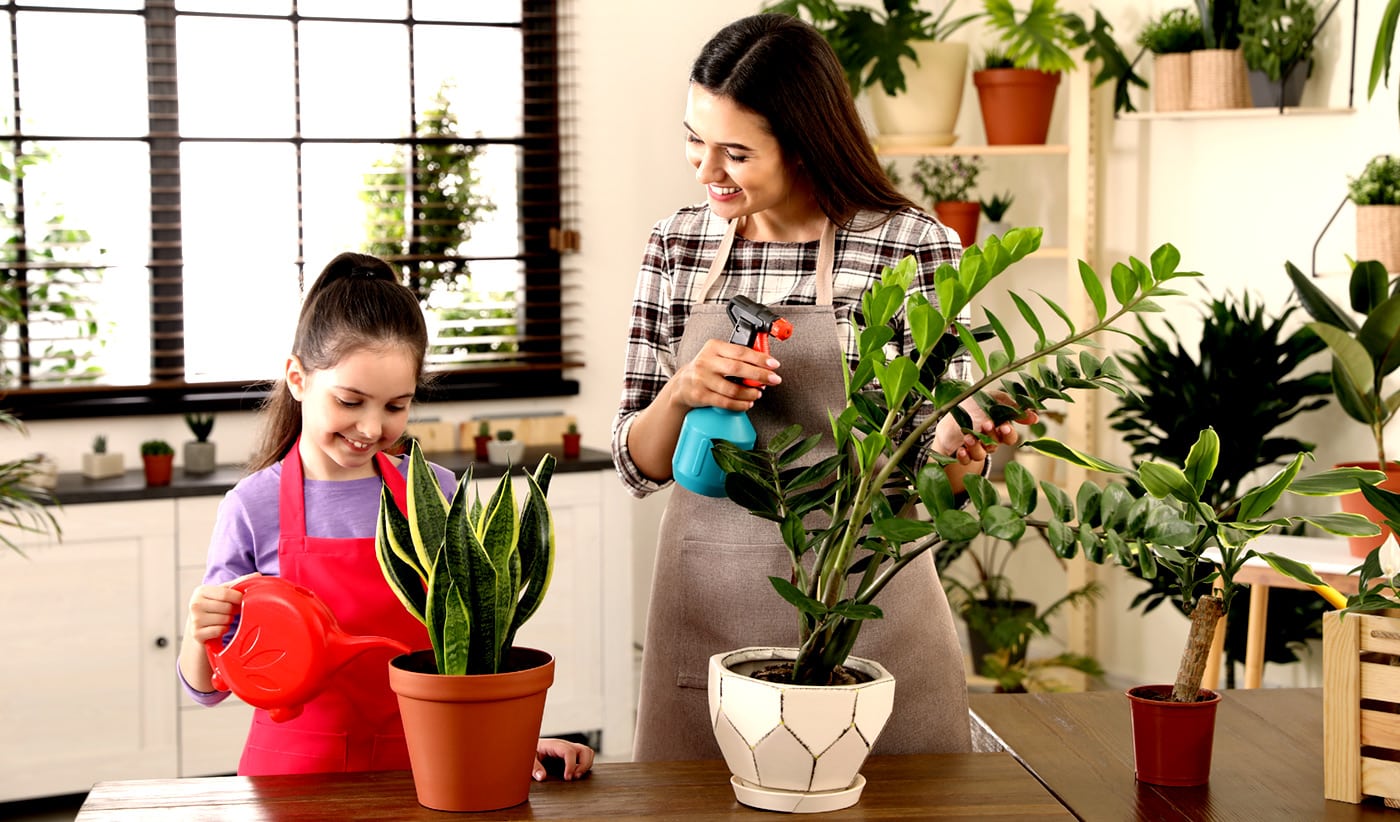
Instead, aim for a deep, thorough watering a few times a week, rather than a light daily sprinkle. A deep soak encourages the roots to grow further down into the soil, seeking out moisture. These deeper roots make your plants much more resilient and drought-tolerant. Focus the water directly at the base of the plant, right at the root zone, rather than soaking the foliage. For a healthy soak, the water should penetrate at least six inches into the soil.
Mulch: Your Plant’s Best Friend Against Evaporation
If you only implement one major strategy to combat the heat, make it mulching. Mulch is essentially a protective layer you spread on top of the soil, and it works wonders.
The Power of a Protective Layer
A 2 to 3-inch (5–8 cm) layer of organic mulch—such as straw, wood chips, shredded bark, or compost—around the base of your plants acts like a natural blanket.
How Mulch Helps
Locks in Moisture: Mulch drastically reduces the rate at which water evaporates from the soil’s surface, keeping the root zone moist for longer.
Just remember to apply the mulch when the soil is already moist, and keep it a little distance away from the plant stems or trunks to prevent rot.
Shade and Shelter: Beating the Midday Sun
Even sun-loving plants can get stressed out by the relentless intensity of a summer heatwave. Providing temporary shade can be a lifesaver for vulnerable species.
Protect Vulnerable Plants
For plants that are newly planted, have delicate leaves (like some vegetables or hydrangeas), or simply show signs of heat stress (wilting or scorched, bleached-looking leaves), you need to create some shelter.
Simple Shade Solutions
Shade Cloth: Lightweight shade cloth is designed to filter a percentage of the sun, providing relief without blocking all light.
Potted Plants Need Extra Attention
Container plants are the first to suffer in hot weather because their roots are fully exposed, and the soil in pots heats up and dries out much faster than garden beds.
Move to the Shade: If you can, relocate potted plants to a shady or partially shaded spot, such as under a tree, on a north-facing wall, or a sheltered patio area.
Plant Maintenance: Focus on Health, Not Growth
During a heatwave, your plants are in survival mode, prioritizing basic functions over rapid growth. Your maintenance routine should reflect this shift.
Skip the Fertilizer
Hold off on heavy feeding during periods of extreme heat and drought. Plants that are already stressed won’t process nutrients efficiently. In fact, fertilizer can sometimes pull moisture away from the roots, increasing the risk of “burn” and additional stress. Wait until the temperatures cool down and the plant shows signs of recovery before resuming your feeding schedule. If you absolutely must fertilize, use a very diluted, slow-release option.
Deadheading and Light Pruning
Regularly remove spent flowers (deadhead) and any scorched or damaged leaves. This helps the plant focus its energy on survival and health, rather than producing seeds. It’s like lightening a load for them. Avoid heavy pruning, however, as fresh cuts can expose the plant to more stress. Also, sometimes a bit of top growth can actually shade the soil and roots, so don’t get too aggressive with the trimming.
Pest Vigilance
Hot, dry conditions are a breeding ground for certain pests like spider mites, aphids, and whiteflies, which are attracted to stressed plants. Check the undersides of leaves regularly. Sometimes, a sharp blast of water (from a hose nozzle set to a jet setting) can be an effective and natural way to dislodge and control these invaders.
Conclusion
Caring for your plants in hot weather is all about adaptation and mindfulness. It requires a shift from a “set it and forget it” approach to one that is more attentive to the day-to-day needs of your garden. By focusing on deep, early-morning watering, strategically applying a generous layer of mulch to conserve moisture, and providing temporary shade to vulnerable plants, you equip your green friends with the best chance to not only survive but thrive. Remember, plants are resilient, and with a little bit of help from you, your garden will weather the heatwave and reward you with beauty and bounty once the cooler days return. Stay cool, and happy gardening!
Frequently Asked Questions
Is it really bad to water my plants at noon when the sun is out?
It is generally not recommended. While the myth that water droplets on leaves act like a magnifying glass to “burn” the plant is mostly false, watering at noon is extremely inefficient. The water evaporates quickly in the midday heat before it can penetrate to the roots. It’s best to water early in the morning when temperatures are lowest to ensure maximum absorption and efficiency.
What are the first signs that my plant is suffering from heat stress?
The most common signs are wilting leaves (the plant is losing water faster than it can absorb it), and the edges or surfaces of leaves turning yellow, brown, or developing a bleached, scorched appearance. Some plants will drop their flowers or leaves to conserve energy. If you see wilting, check the soil—if it’s bone dry, it needs water immediately.
How can I keep my potted houseplants cool during a heatwave?
For indoor plants, move them a few feet away from sunny windows, especially south-facing ones, to prevent scorching. Grouping them together can create a humid microclimate. You can also place the pots on a tray filled with pebbles and a little water (making sure the bottom of the pot isn’t touching the water) to increase humidity around the plant.
Can I still water my lawn during a hot, dry spell?
It’s generally recommended to save water for your more vulnerable garden plants and containers. A brown lawn is usually just dormant and will bounce back and turn green again when the rain returns. If you choose to water, give it a deep soak once a week, and make sure your mower blade is set higher to keep the grass longer, which helps shade the soil and roots.
What is the ideal depth for a layer of mulch?
A depth of 2 to 3 inches (5–8 cm) is ideal for most gardens. This thickness is enough to effectively suppress weeds and insulate the soil without becoming too thick, which could potentially block water from reaching the soil or encourage pests. Make sure to leave a small ring of space around the plant’s stem or trunk.
You might find this video on [Saving Your Plants from Heatwaves](https://www.youtube.com/watch?v=lJnaS1tmUO8) useful, as it provides visual examples and practical tips for preparing your garden for intense heat.
http://googleusercontent.com/youtube_content/0

:strip_icc()/houseplants-you-cant-kill-Final-180244527c60405fb9668911dab14857.jpg?resize=200,135&ssl=1 "Effortless Greenery: Low-Maintenance Plants For Beginner Gardeners")
:max_bytes(150000):strip_icc()/low-light-conditions-houseplants-1902917-834ee8847a324939b796845a6bc22d36.png?resize=200,135&ssl=1 "Shade Savvy: Thriving Indoor Plants For Low-Light Locations")
