
# 🌱 The Green Thumb’s Guide to Eco-Friendly plant Care
Are you dreaming of a thriving indoor jungle or a backyard bursting with life, but you’re worried about your environmental footprint? Good news! Being an avid plant parent doesn’t have to mean resorting to harsh chemicals or wasteful practices. In fact, some of the best, most effective ways to care for your plants are also the kindest to our planet.
This guide is all about embracing a greener, cleaner, and more sustainable approach to plant care. We’ll ditch the toxic stuff, learn to love our kitchen scraps, and create a little ecosystem right in our own home and garden. Get ready to swap your chemical sprays for natural remedies and make your plants—and Mother Nature—sing!

🌿 Watering Wisely: Less Waste, More Life
Water is the lifeblood of your plants, but it’s also a precious resource. Simply pouring water until it drains out isn’t the most efficient method. Here’s how to water smarter, not harder:
💧 Catch and Collect Rainwater
The absolute best water for your plants? Rainwater! It’s naturally free of the chlorine and salts often found in tap water, which can build up in soil over time.
Set up a simple rain barrel or just place a few clean buckets outside during a downpour.
💦 Optimize Your Watering Schedule
Instead of watering a little bit every day, which encourages shallow roots, try a deep, less frequent soak.
Wait until the top inch or two of soil is dry, then water thoroughly until it drains out of the bottom.

🕰️ Water at the Right Time
For outdoor plants, water in the early morning. This minimizes water loss from evaporation and ensures the water reaches the roots before the heat of the day. Watering in the evening can leave foliage wet overnight, which can encourage fungal diseases.
🍎 Composting: The Secret Ingredient for Super Soil
Think of composting as nature’s way of recycling. Instead of tossing your banana peels, coffee grounds, and old leaves, turn them into “black gold”—a rich, nutrient-dense amendment that will transform your soil.
🗑️ Start a Simple Compost System
You don’t need a huge setup. For indoor gardeners, a small countertop bin for kitchen scraps that you periodically drop off at a local community garden or a friend’s compost pile is a great start. If you have outdoor space, a simple, covered bin works perfectly.
☕ Brew Up Compost Tea
This is an easy, eco-friendly plant tonic!
1. Take a handful of finished compost (or even just worm castings).
2. Soak it in a bucket of water for 24-48 hours.
3. Strain the liquid and use it as a gentle, nutrient-rich liquid fertilizer for your houseplants or garden.
🐛 Natural Pest Control: Ditch the Chemicals
Pests happen. It’s a normal part of life when you’re dealing with plants. But reaching for a harsh chemical spray is often overkill and can harm beneficial insects, pets, and even yourself. The goal of eco-friendly pest control is to manage pests, not eliminate every single one.
🧼 Neem Oil Spray
Neem oil is a powerhouse derived from the seeds of the neem tree. It is non-toxic to birds, bees, and mammals, but highly effective against common pests like aphids, spider mites, and whiteflies.
Mix a teaspoon of pure, cold-pressed neem oil with a few drops of mild, biodegradable dish soap and a quart of water.
🌶️ Homemade Soap and Pepper Spray
For a quick DIY remedy, mix a tablespoon of mild liquid soap with a quart of water and a dash of cayenne pepper. The soap helps the solution stick to the pests, and the pepper is an irritant. Always test a small area of the plant first!
🐞 Encourage Beneficial Insects
If you garden outdoors, invite natural pest predators! Ladybugs love to eat aphids, and lacewings prey on a variety of soft-bodied insects. Planting certain flowers, like dill or fennel, can attract these helpful creatures to your space.
♻️ Repurposing and Recycling in the Garden
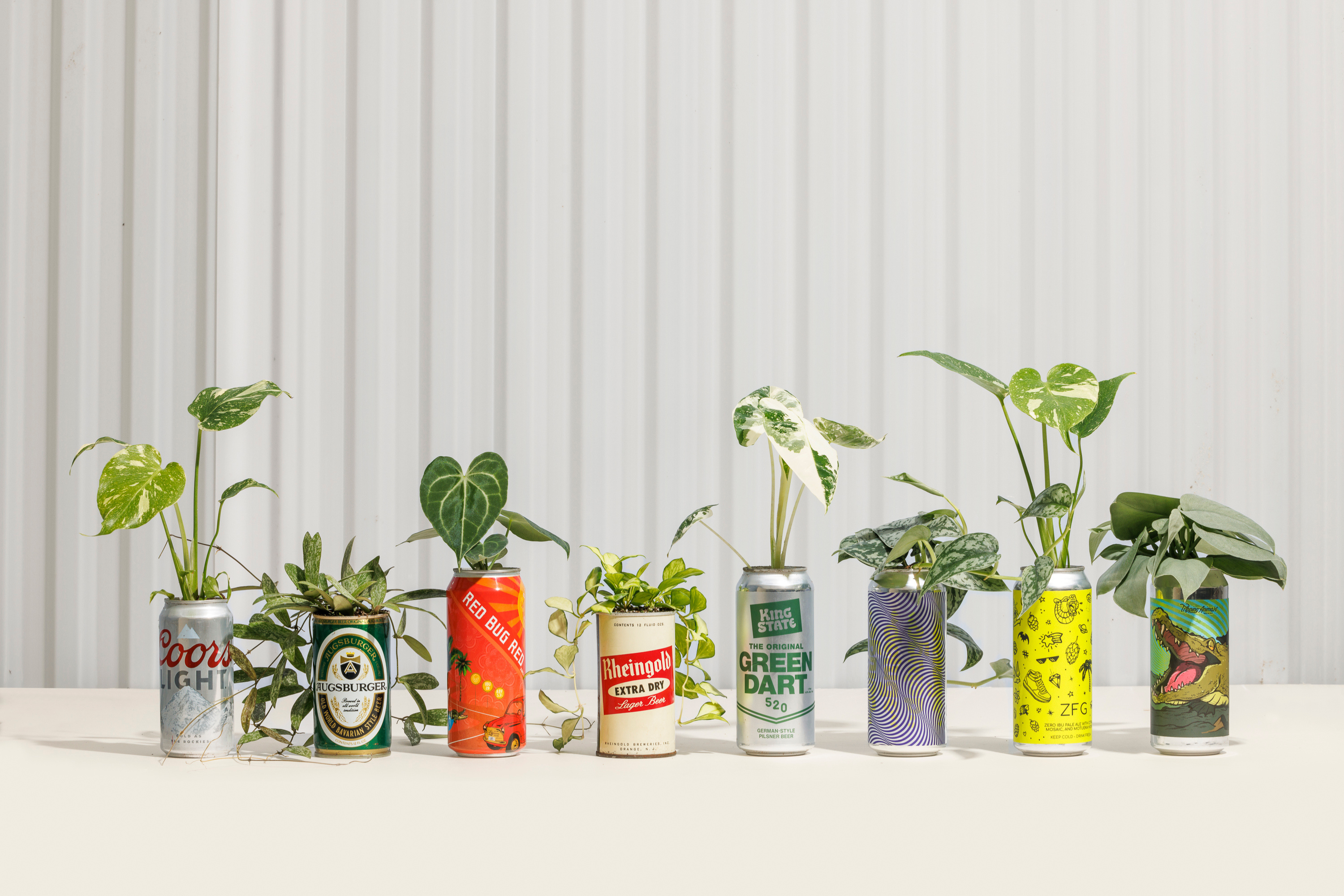
Eco-friendly plant care is also about reducing waste. Look around your house for things that can get a second life with your plants.
🥚 Use Eggshells for Calcium
Crush up dried eggshells and mix them into the soil of calcium-loving plants, like tomatoes and peppers. This helps prevent issues like blossom end rot and keeps the soil healthy.
📰 Start Seeds in Newspaper or Cardboard
Instead of buying plastic seed-starting trays every year, use biodegradable materials.
Roll newspaper into small pots.
☕ Add Coffee Grounds
Your morning coffee grounds are a slightly acidic, nitrogen-rich addition to the soil that many acid-loving plants (like hydrangeas, azaleas, and ferns) adore. Sprinkle them thinly over the topsoil or add them to your compost pile.
🏷️ Skip the Plastic, Choose Sustainable Products
When you do need to buy something new for your plants, make mindful choices that favor sustainability and longevity.
🪵 Opt for Clay or Terracotta Pots
While plastic pots are cheap, they contribute to landfills. Clay, terracotta, and ceramic pots are durable and breathable, which is great for root health, and they last forever. If you need plastic, buy high-quality, reusable containers.
🌿 Choose Organic and Locally Sourced Soil/Amendments
Look for soil mixes that are peat-free or contain sustainably harvested peat moss. Opt for locally produced compost or worm castings to reduce the carbon footprint associated with shipping heavy materials.
🔨 Buy Tools That Last
Invest in high-quality, durable metal tools that you can maintain, rather than cheap plastic ones that will break after a season. Good tools are an investment that pays off both for your wallet and the planet.
💡 Conclusion: The Joy of Truly Green Gardening
Adopting eco-friendly plant care practices is more than just a trend—it’s a commitment to creating a healthier, more balanced environment for your plants and the world around you. By choosing natural pest control, embracing composting, and simply being more mindful of your water and resource use, you are transforming your garden or windowsill into a true reflection of sustainable living. These methods are often cheaper, safer, and ultimately more rewarding, yielding stronger, more vibrant plants that are thriving because of, not in spite of, your care. Start small, experiment, and enjoy the quiet satisfaction of being a truly green green thumb!
❓ Frequently Asked Questions (FAQs)
What is the best way to deal with gnats in houseplants using eco-friendly methods?
Fungus gnats are annoying, but easy to manage without chemicals. Yellow sticky traps placed in the pots will catch the adults, and the key is to allow the top two inches of soil to dry out completely between waterings, as the gnat larvae need moist soil to survive. You can also sprinkle a layer of sand or decorative gravel on the soil surface to create a dry barrier.
Is it truly better to use rainwater than tap water for indoor plants?
Yes, generally it is better. Tap water contains chlorine and dissolved mineral salts that can build up in the soil over time, leading to a white crust on the pot and potentially harming root health. Rainwater is naturally soft, contains beneficial compounds like nitrates, and is free of these harsh additives, making it ideal for plant health.
How often should I use compost tea as a fertilizer, and can I overdo it?
Compost tea is a mild, gentle fertilizer, so it’s difficult to overdo it compared to synthetic feeds. For houseplants, aim to apply it once a month during the active growing season (spring and summer). For outdoor plants, you can use it every 2-4 weeks. Always dilute it with water until it looks like weak iced tea before applying.
My outdoor plants have powdery mildew. What’s a non-toxic way to treat this fungal issue?
A simple and effective remedy is a baking soda spray. Mix one tablespoon of baking soda and a half-teaspoon of liquid soap with one gallon of water. Spray this mixture thoroughly on the affected leaves. The baking soda changes the pH on the leaf surface, making it difficult for the fungus to grow.

:strip_icc()/houseplants-you-cant-kill-Final-180244527c60405fb9668911dab14857.jpg?resize=200,135&ssl=1 "Effortless Greenery: Low-Maintenance Plants For Beginner Gardeners")
:max_bytes(150000):strip_icc()/low-light-conditions-houseplants-1902917-834ee8847a324939b796845a6bc22d36.png?resize=200,135&ssl=1 "Shade Savvy: Thriving Indoor Plants For Low-Light Locations")
