:max_bytes(150000):strip_icc()/low-light-conditions-houseplants-1902917-834ee8847a324939b796845a6bc22d36.png?ssl=1 "Shadow-Loving Houseplants: Thriving Without Direct Sunlight")
Here is the article, formatted for a WordPress post, focusing on readability and SEO structure.
—–
# The Secret Garden: Indoor plants That Thrive Without a Single Ray of Direct Sunlight
Introduction: Bringing Greenery Indoors, No Windows Required
:max_bytes(150000):strip_icc()/low-light-conditions-houseplants-1902917-834ee8847a324939b796845a6bc22d36.png "image.title")
We all crave a touch of nature inside our homes. Indoor plants breathe life into dull corners, purify the air, and simply make us feel good. But what if your apartment is a little on the dark side? Maybe you have a north-facing window, a deep interior room, or an office cubicle that feels more like a cave.
The good news is that you don’t need a sun-drenched conservatory to be a successful plant parent. In fact, many popular and stunning houseplants naturally grow beneath the dense canopy of tropical forests, meaning they are perfectly adapted to low-light conditions. When we say “no sunlight,” we mean they don’t need direct sunlight; they happily thrive in filtered, indirect light, or even just the ambient light from a nearby lamp.
This comprehensive guide will introduce you to the toughest, most beautiful, and least demanding green companions that will flourish in the shadiest spots of your home. Say goodbye to brown, crispy leaves, and hello to a vibrant indoor jungle!
Unkillable Green Goddesses: Our Top 10 Low-Light Champions

Here are the superstars of the low-light world, known for their resilience and striking beauty, making them ideal for the darkest corners.
1. The Mighty Snake Plant (Sansevieria trifasciata)
Often featured on lists of “hard-to-kill” plants, the Snake Plant (also known as Mother-in-Law’s Tongue) is truly a champion of neglect. It tolerates low light, infrequent watering, and is celebrated by NASA for its air-purifying qualities, specifically removing toxins like benzene and formaldehyde.
Its upright, sword-like leaves are architectural and modern, making it a stylish addition to any decor. It comes in varieties with yellow banding or solid green patterns. Just remember: low light means even less water. Overwatering is the only way to quickly kill this durable plant.
2. The Ethereal ZZ Plant (Zamioculcas zamiifolia)
The ZZ Plant is arguably the most low-maintenance houseplant available today. It’s so tough that some people joke it prefers to be forgotten about. It has thick, waxy, dark-green leaves that reflect light beautifully, helping to brighten a dim space.
This plant grows from rhizomes (underground stems) that store water, which is why it can go weeks, sometimes months, between waterings. Place it in a dark hallway, a windowless bathroom with ambient light, or a dimly lit office—it won’t complain. It’s the perfect choice for the forgetful or busy plant owner.
3. The Versatile Pothos (Epipremnum aureum)
Pothos is famous for its stunning trailing vines and its cheerful, often variegated (mixed green and yellow) heart-shaped leaves. While it will grow faster and develop brighter variegation in medium light, it does remarkably well in low-light environments, though its growth will slow and its leaves may revert to a darker green.
It is incredibly adaptable and can be grown in soil or even just a vase of water. The Pothos is excellent for hanging baskets or draping over shelves in higher, darker spaces where you want a touch of cascading greenery.
4. The Dependable Peace Lily (Spathiphyllum)
The Peace Lily is a beautiful, classic houseplant known for its glossy, dark-green leaves and its elegant white “flowers” (which are actually modified leaves called spathes). These plants are great indicators of when they need water; they will dramatically droop when thirsty, and then perk right up once they get a drink.
It requires very little light to survive and will even bloom in shady spots, though it will produce more spathes in slightly brighter, indirect light. It’s a fantastic choice for bedrooms or living rooms where direct sun is scarce.
5. The Charming Cast Iron Plant (Aspidistra elatior)
The name says it all: this plant is as tough as cast iron. It can withstand severe neglect, cold, heat, poor soil, and, most importantly, very deep shade. It grows slowly, making it a great long-term companion for those who prefer a stable environment.
With its simple, deep-green, strap-like leaves, the Cast Iron Plant is a subtle yet elegant choice for a corner that receives only minimal light, like a foyer or a rarely-used guest room.
6. The Classic Philodendron (Heartleaf variety)
The Heartleaf Philodendron (Philodendron hederaceum) is a cousin to the Pothos and shares its easy-care nature. It features soft, velvety, heart-shaped leaves on trailing vines. Like the Pothos, it is extremely tolerant of low light and is perfect for adding vertical interest.
It tends to be slightly more tolerant of being pot-bound than other plants and is easy to propagate, making it a fun plant to share with friends. A low-maintenance choice that adds a wonderful tropical feel.
7. The Spider Plant (Chlorophytum comosum)
The Spider Plant is known for its graceful, arching leaves and the delightful “babies” (plantlets) that dangle from its stems, resembling spiders on a thread. While it prefers bright, indirect light, it will live happily in low light, though it may produce fewer plantlets.
These plants are very forgiving of beginner mistakes and are another excellent air purifier. They look fantastic on a tall pedestal or a high shelf where the babies can hang freely.
8. The Aglaonema (Chinese Evergreen)
This is a beautiful and varied group of plants. While the more colorful red and pink varieties need a bit more light to keep their vibrant hues, the classic dark-green varieties, like the ‘Silver Queen,’ are absolute stars in low-light areas.
Aglaonema is known for its unique patterns and textural leaves. It’s a great choice if you want something a bit different from the standard trailing or upright plants, adding a sophisticated, lush feel to dark spaces.
9. The Calathea (Prayer Plant Family)
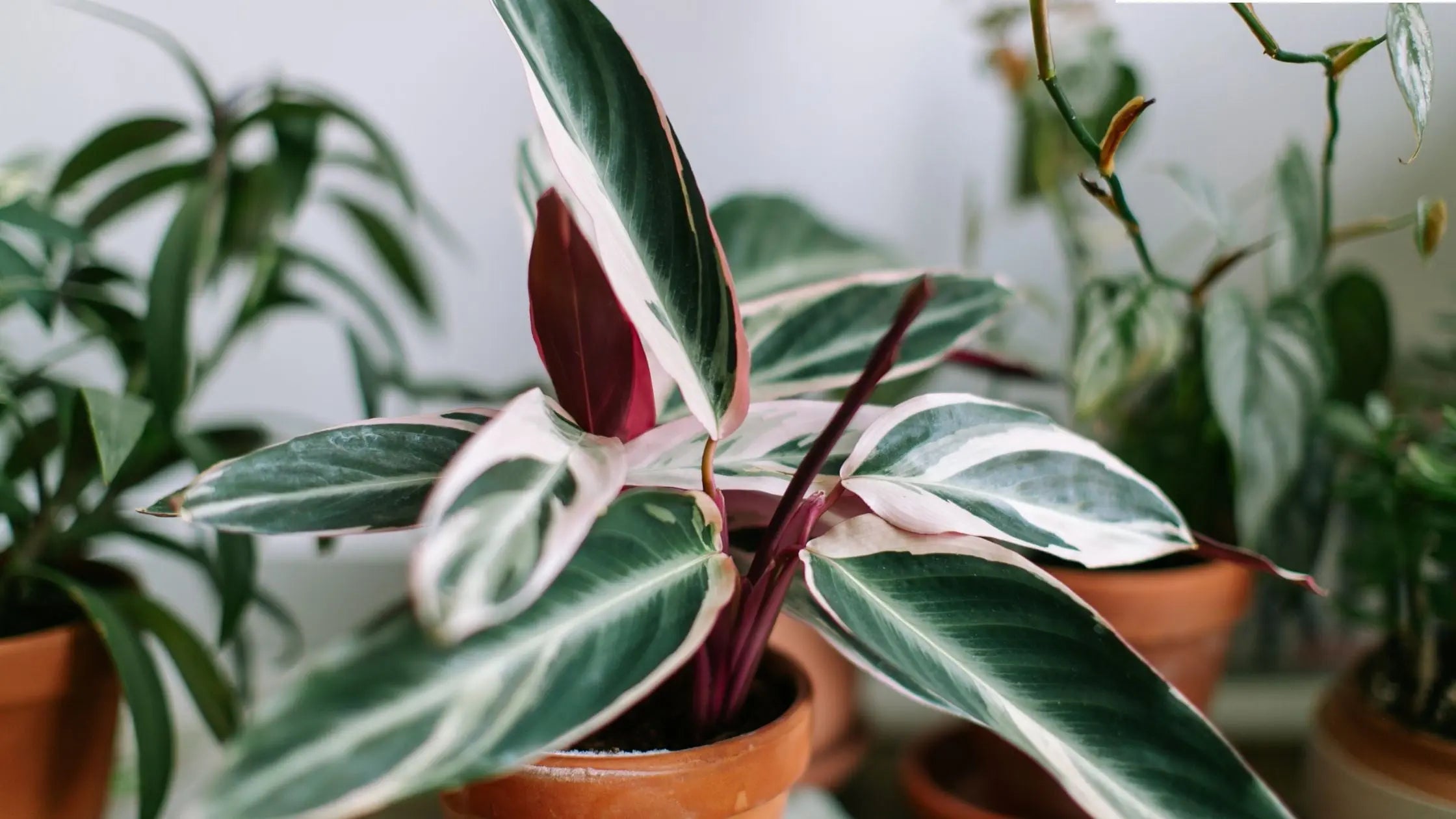
Calathea plants are stunning, often featuring intricate patterns and colors on their leaves, including stripes, spots, and beautiful undersides. Many varieties are incredibly tolerant of low light because they naturally grow beneath the jungle canopy.
They are known for their habit of folding their leaves up at night, which is why some are called “Prayer Plants.” While they are low-light tolerant, they do appreciate high humidity, so grouping them with other plants or placing them near a humidifier is beneficial.
10. Dracaena (Corn Plant and others)
The Dracaena family includes a wide range of upright, tree-like plants, such as the Corn Plant (Dracaena fragrans) and the Madagascar Dragon Tree (Dracaena marginata). These tall, dramatic plants make a statement in a dark corner.
They adapt very well to low-light levels, though their growth rate will be slow. They are also known to filter out common indoor air pollutants, adding another layer of benefit to your home environment.
The Low-Light Care Commandments: Tips for Success
Growing plants in dark areas isn’t just about choosing the right variety; it’s also about adjusting your care routine. Low light means your plant’s metabolism slows down considerably, and your care routine must reflect this.
Water Less, Much Less
This is the single most important rule. In a bright, sunny spot, water evaporates quickly, and the plant uses it for photosynthesis at a fast rate. In a dark corner, water stays in the soil much longer, leading to a high risk of root rot.
The Golden Rule: Always check the soil. Stick your finger two inches deep into the soil. If it feels moist, do not water. For many low-light plants, especially the ZZ and Snake Plant, you might only water once every three to four weeks.
Skip the Fertilizer
A plant in low light is essentially in survival mode, growing very slowly. Fertilizing a slow-growing plant can lead to a buildup of salts in the soil, which can burn the roots. Only fertilize sparingly, perhaps once or twice during the growing season (spring and summer), using a diluted solution.
Rotate Occasionally
Even the darkest corner has a ‘best side’ that faces the most ambient light. To ensure your plant grows evenly, it’s a good idea to rotate the pot 90 degrees every few weeks. This prevents the plant from aggressively leaning toward the light source and becoming lopsided.
Keep the Leaves Clean
Dust acts like sunglasses on a plant’s leaves, blocking the tiny bit of light it is receiving. Regularly wipe the leaves of your low-light plants with a soft, damp cloth. This ensures they can absorb the maximum amount of ambient light available.
Conclusion
Embracing the dark corners of your home is not a limitation—it’s an opportunity. The world of low-light plants is full of robust, stunning, and easy-to-care-for varieties that don’t demand constant attention or a prime, sunny location. From the architectural elegance of the Snake Plant to the charming vines of the Pothos, you have a wealth of options to create a vibrant, healthy, and natural environment in every single room. By following the “Water Less” commandment and choosing one of these resilient champions, you can confidently transform any dim space into your very own low-light oasis. Happy planting!
—–
5 Unique FAQs After The Conclusion
1. Can I use artificial lights to help my low-light plants?
Answer: Yes, absolutely! While these plants don’t need bright natural sunlight, they will definitely appreciate supplemental light. A simple LED floor lamp or a low-intensity grow light positioned a few feet away can dramatically boost their health and encourage faster growth, especially during the dark winter months.
2. What is the difference between “low light” and “no light” for a plant?
Answer: “No light” (a closet or a completely windowless room with the door shut) will eventually kill any plant. “Low light” means an area that is well away from a window but still receives ambient light (enough light to comfortably read a book during the day). Always ensure your plant can see a window from its location, even if it’s across the room.
3. Why are my low-light plants’ leaves turning yellow and mushy?
Answer: This is the classic symptom of overwatering, which is the number one killer of low-light plants. The soggy soil cuts off oxygen to the roots, causing them to rot. Immediately stop watering, let the soil dry out completely, and consider moving the plant to a slightly brighter spot temporarily to help it recover.
4. Will my variegated (striped/speckled) plants lose their color in low light?
Answer: Yes, they might. Variegated plants, like the popular Pothos or ZZ, have white or yellow parts on their leaves that lack chlorophyll (the substance that helps a plant use light). In very low light, the plant will prioritize creating more green, chlorophyll-rich tissue to photosynthesize, which can cause the colorful patches to fade or disappear entirely.

:strip_icc()/houseplants-you-cant-kill-Final-180244527c60405fb9668911dab14857.jpg?resize=200,135&ssl=1 "Effortless Greenery: Low-Maintenance Plants For Beginner Gardeners")
:max_bytes(150000):strip_icc()/low-light-conditions-houseplants-1902917-834ee8847a324939b796845a6bc22d36.png?resize=200,135&ssl=1 "Shade Savvy: Thriving Indoor Plants For Low-Light Locations")
:max_bytes(150000):strip_icc()/low-light-conditions-houseplants-1902917-834ee8847a324939b796845a6bc22d36.png?ssl=1&description=Shadow-Loving%20Houseplants%3A%20Thriving%20Without%20Direct%20Sunlight)