
🌱 Introduction to Greener Living
In today’s fast-paced world, more and more people are realizing that making their homes a little greener isn’t just a trend—it’s a necessity. An eco-friendly home is about more than just recycling or saving electricity; it’s about creating a living space that is healthier for you and has a minimal negative impact on the planet. And what’s one of the simplest, most beautiful ways to achieve this? Introducing nature’s finest air purifiers and mood boosters: houseplants!
Bringing plants indoors is a brilliant, low-tech way to embrace sustainability. They don’t require batteries, their “fuel” is just water and light, and their by-product is the very air you breathe. They also look fantastic, adding an immediate sense of calm and natural beauty to any room. From removing common household toxins to regulating humidity, these green companions are silently working hard to make your home a truly eco-friendly sanctuary.
This comprehensive guide will walk you through the very best plants for eco-friendly homes. We’ll focus on species that are easy to care for, effective at air purification (as famously highlighted by NASA’s Clean Air Study), and generally hardy—because an eco-friendly plant shouldn’t need replacing every few months! Get ready to discover your new favorite leafy roommates.

—
🌿 The Eco-Friendly Power of Houseplants
Before diving into the list, let’s appreciate the immense benefits these humble organisms bring to our homes, reinforcing why they are essential for an eco-conscious lifestyle.
Air Purification: Nature’s Filter
:max_bytes(150000):strip_icc()/drought-tolerant-plants-curb-appeal-2000-c1d1f7b52f2847d5ae2e5f774da4343d.jpg "image.title")
One of the biggest reasons to bring plants indoors is their incredible ability to clean the air. Our homes are full of Volatile Organic Compounds (VOCs) released from everyday items like paints, carpets, furniture, and cleaning products. These invisible pollutants, such as formaldehyde, benzene, and trichloroethylene, can be harmful to our health. Plants absorb these harmful toxins through their leaves and roots, effectively acting as a natural, low-energy air filter. This natural filtration process means a cleaner, healthier living environment without the need for an expensive, power-hungry air purifier.
Carbon Sequestration: Mini Carbon-Negative Units
Just like their larger cousins in the forest, indoor plants engage in photosynthesis, the process of converting carbon dioxide ($text{CO}_2$) into oxygen ($text{O}_2$). While a single houseplant won’t solve global climate change, collectively, the greenery in your home contributes to lowering your overall carbon footprint. They actively reduce the carbon dioxide levels in your living space, making your air fresher, especially in tightly sealed, modern homes.
Humidity Regulation: Natural Humidifiers
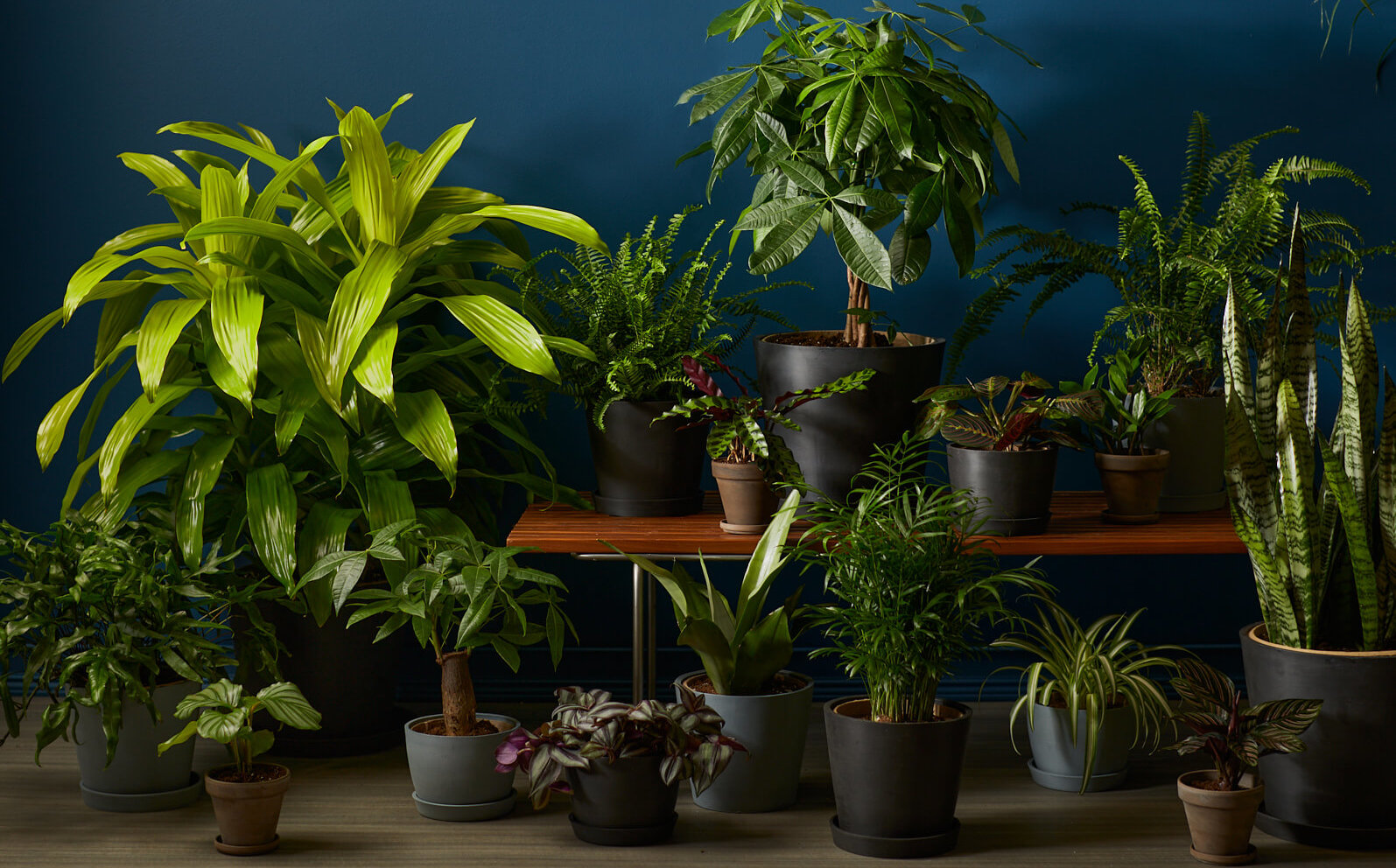
Plants release moisture into the air through a process called transpiration. This is particularly beneficial during dry winter months when heating systems can strip humidity from the air, leading to dry skin, irritated sinuses, and static electricity. By naturally increasing the humidity, plants can also help to slightly cool the air in the summer, reducing your reliance on energy-guzzling air conditioners.
Mental Health Boost: The Biophilia Effect
Eco-friendly living isn’t just about the planet; it’s about holistic well-being. Studies have repeatedly shown that being around plants—a concept known as ‘biophilia’—reduces stress, boosts mood, increases concentration, and even improves productivity. By introducing these living elements, you’re not just decorating; you’re cultivating a calming, mentally restorative environment that is a core pillar of a sustainable and healthy lifestyle.
—
🌴 Top Plants for an Eco-Friendly Home
Here is a curated list of the hardiest, most effective, and low-maintenance plants that are perfect for your eco-friendly home.
Snake Plant (Sansevieria trifasciata)
Often called Mother-in-Law’s Tongue, the Snake Plant is one of the most famous air purifiers on the planet. Its upright, sword-like leaves are not only strikingly modern but also incredibly efficient at what they do.
Eco-Friendly Superpower: It’s one of the few plants that releases oxygen at night while absorbing $text{CO}_2$, making it absolutely perfect for the bedroom. It’s also fantastic at filtering out common toxins like formaldehyde and benzene.
Peace Lily (Spathiphyllum)
With its beautiful, elegant white blooms against dark green foliage, the Peace Lily is a popular choice for good reason. It’s also one of the top contenders from NASA’s original air-purifying study.
Eco-Friendly Superpower: A master at removing numerous VOCs, including trichloroethylene, formaldehyde, and ammonia—the last of which is often found in common cleaning products. It also releases a good amount of moisture into the air, acting as a natural humidifier.
Spider Plant (Chlorophytum comosum)
The quintessential houseplant, the Spider Plant is known for its ability to produce “spiderettes” or little baby plants that dangle from the parent, making it easy to propagate and share.
Eco-Friendly Superpower: Exceptional at removing formaldehyde and xylene from the air. Its fast-growing nature means it’s constantly working to clean your indoor air.
Aloe Vera (Aloe barbadensis)
More than just a beautiful, spiky succulent, the Aloe Vera plant is a practical and eco-friendly medicinal cabinet in a pot.
Eco-Friendly Superpower: It’s primarily famous for its soothing, anti-inflammatory gel, which can be harvested straight from the leaves for minor burns and scrapes, reducing the need for store-bought creams. As an air purifier, it works hard to remove formaldehyde and benzene. As a succulent, it’s also highly drought-tolerant, meaning it requires very little water, saving a precious natural resource.
Golden Pothos (Epipremnum aureum)
Often nicknamed Devil’s Ivy because it is virtually impossible to kill, the Golden Pothos is one of the easiest and most versatile plants you can own. Its trailing vines make it perfect for shelves or hanging baskets.
Eco-Friendly Superpower: It’s an aggressive air cleaner, tackling formaldehyde, xylene, benzene, and carbon monoxide. Its ability to thrive in almost any environment means it will continue its work even in low-light office corners or high-up kitchen cabinets.
Boston Fern (Nephrolepis exaltata)
A classic favorite, the Boston Fern is known for its graceful, arching fronds and its high rating on the air purification scale.
Eco-Friendly Superpower: It is highly effective at removing formaldehyde and is a top-tier natural humidifier. The moisture it releases makes it ideal for dry environments and can contribute to better respiratory health.
Dracaena Species (Dracaena spp.)
This genus includes many popular houseplants, such as the Dragon Tree and the Corn Plant, all of which offer a stylish, vertical presence in a room.
Eco-Friendly Superpower: Dracaenas are excellent all-around air purifiers, targeting a long list of toxins including benzene, formaldehyde, trichloroethylene, and xylene. The taller varieties can purify a large volume of air, making them ideal for living rooms and larger spaces.
Areca Palm (Dypsis lutescens)
Also known as the Butterfly Palm, this plant brings a tropical, airy feel to any room and is another one of the most effective natural humidifiers available.
Eco-Friendly Superpower: The Areca Palm is exceptionally good at increasing humidity and removing common indoor pollutants like formaldehyde, xylene, and toluene. Its large, lush fronds provide an enormous surface area for absorbing toxins and releasing moisture.
—
💡 Making Your Home Plant-Friendly and Truly Sustainable
It’s not enough to simply buy the plants; true eco-friendly practice extends to how you grow and nurture them.
Choose Sustainable Pots and Soil
Opt for pots made from natural, recycled, or upcycled materials. Terracotta, ceramic, and clay pots are excellent choices over plastic. When it comes to soil, look for certified organic, peat-free potting mix. The harvesting of peat moss for gardening is destructive to valuable carbon-storing wetlands, making it an unsustainable choice. A peat-free mix is a simple, effective way to reduce your garden’s environmental impact.
Use Natural Fertilizers
Skip the chemical-based liquid feeds. Instead, embrace natural alternatives. Homemade compost tea, used coffee grounds (for acid-loving plants), and even water from boiling vegetables can provide your plants with the necessary nutrients without introducing harmful chemicals into your home ecosystem. This zero-waste approach is the essence of eco-friendly gardening.
Water Wisely
Water conservation is a huge part of eco-friendly living. The succulent plants we mentioned—Aloe Vera and Snake Plant—require very little water, but for all your plants, adopt a mindful watering routine. Only water when the top inch or two of soil is dry. Consider collecting rainwater for your plants, or even use the leftover, cooled water from your drinking glass.
Propagate and Share
Plants like the Spider Plant and Pothos readily produce “babies.” Learning to propagate your plants is a wonderful, sustainable practice. It means you never have to buy another plant again, and you can share the gift of green, clean air with friends and family for free, turning a single purchase into a self-sustaining source of greenery.
—
💚 Conclusion
Creating an eco-friendly home is an ongoing journey, and introducing the right houseplants is one of the most enjoyable, beneficial steps you can take. These natural wonders are far more than just decoration; they are miniature, self-sustaining ecosystems that actively purify your air, regulate humidity, and provide a profound sense of well-being. By choosing resilient, efficient, and low-maintenance plants like the Snake Plant, Peace Lily, and Golden Pothos, and by adopting sustainable care practices like peat-free soil and mindful watering, you are making a powerful statement. You are choosing health, sustainability, and a deeper connection to nature right inside your own four walls. So, go ahead and embrace the green life—your home, your health, and the planet will thank you for it.
—
❓ Frequently Asked Questions (FAQs)
1. How many plants do I need to effectively clean the air in a large room?
While studies vary, a general recommendation from NASA’s research is to have at least one air-purifying plant per 100 square feet of home or office space. For maximum effect, focus on larger, leafier plants, and place them where the air is often recirculated or near sources of pollution (like a newly painted wall or new furniture).
2. Are any of the top air-purifying plants toxic to pets like cats or dogs?
Yes, unfortunately, some of the most effective air purifiers, like the Peace Lily and Dracaena varieties, are mildly toxic to pets if ingested. If you have pets that chew on plants, it is best to stick to non-toxic options like the Spider Plant, Boston Fern, or certain types of Palms (like the Parlor Palm). Always research the specific species before bringing it home.
3. What does “peat-free” soil mean, and why is it important for eco-friendly gardening?
“Peat-free” soil means the growing mix does not contain peat moss, which is typically harvested from peat bogs. Peat bogs are vital wetlands that store enormous amounts of carbon. When peat is harvested, this stored carbon is released into the atmosphere, contributing to climate change. Choosing peat-free mixes, which use alternatives like coir (coconut fiber), bark, or compost, is a key sustainable gardening practice.
4. Can I use the gel from a store-bought Aloe Vera plant, or do I need to grow my own?
For the most authentic and purest medicinal benefits, you should grow your own Aloe Vera plant. The gel harvested directly from a mature, healthy leaf is the most potent. Store-bought products often contain additives, preservatives, or other ingredients that dilute the natural healing properties of the pure aloe gel.

:strip_icc()/houseplants-you-cant-kill-Final-180244527c60405fb9668911dab14857.jpg?resize=200,135&ssl=1 "Effortless Greenery: Low-Maintenance Plants For Beginner Gardeners")
:max_bytes(150000):strip_icc()/low-light-conditions-houseplants-1902917-834ee8847a324939b796845a6bc22d36.png?resize=200,135&ssl=1 "Shade Savvy: Thriving Indoor Plants For Low-Light Locations")
