
If you live in a tropical climate—where the sun is strong, the air is warm, and the humidity hangs heavy like a velvet curtain—you’re in one of the world’s most incredible natural gardens. Forget about struggling with delicate plants that demand specific, finicky conditions. The tropics are where plants go big, bold, and beautiful. They thrive on the heat and moisture, rewarding you with lush, vibrant foliage and flowers that often look like they belong on another planet.
This article is your casual, no-fuss guide to some of the absolute best plants that will not just survive but genuinely flourish in your sunny, humid slice of the world, making your garden or balcony an effortless, thriving jungle.
🌺 The Flowering Royalty: Color That Pops
Tropical blooms are in a league of their own. They’re often large, spectacularly colored, and many of them flower almost year-round, turning every day into a celebration.
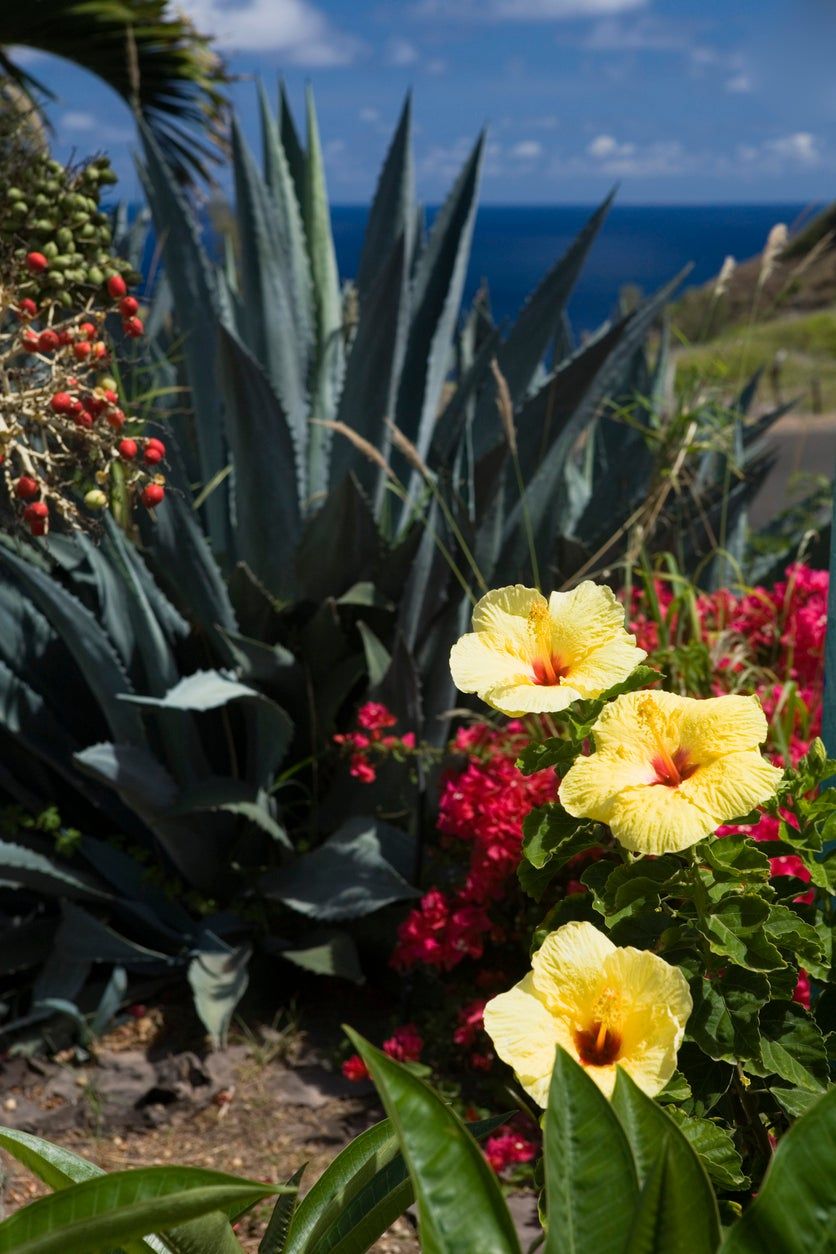
Hibiscus: The Classic Tropical Beauty
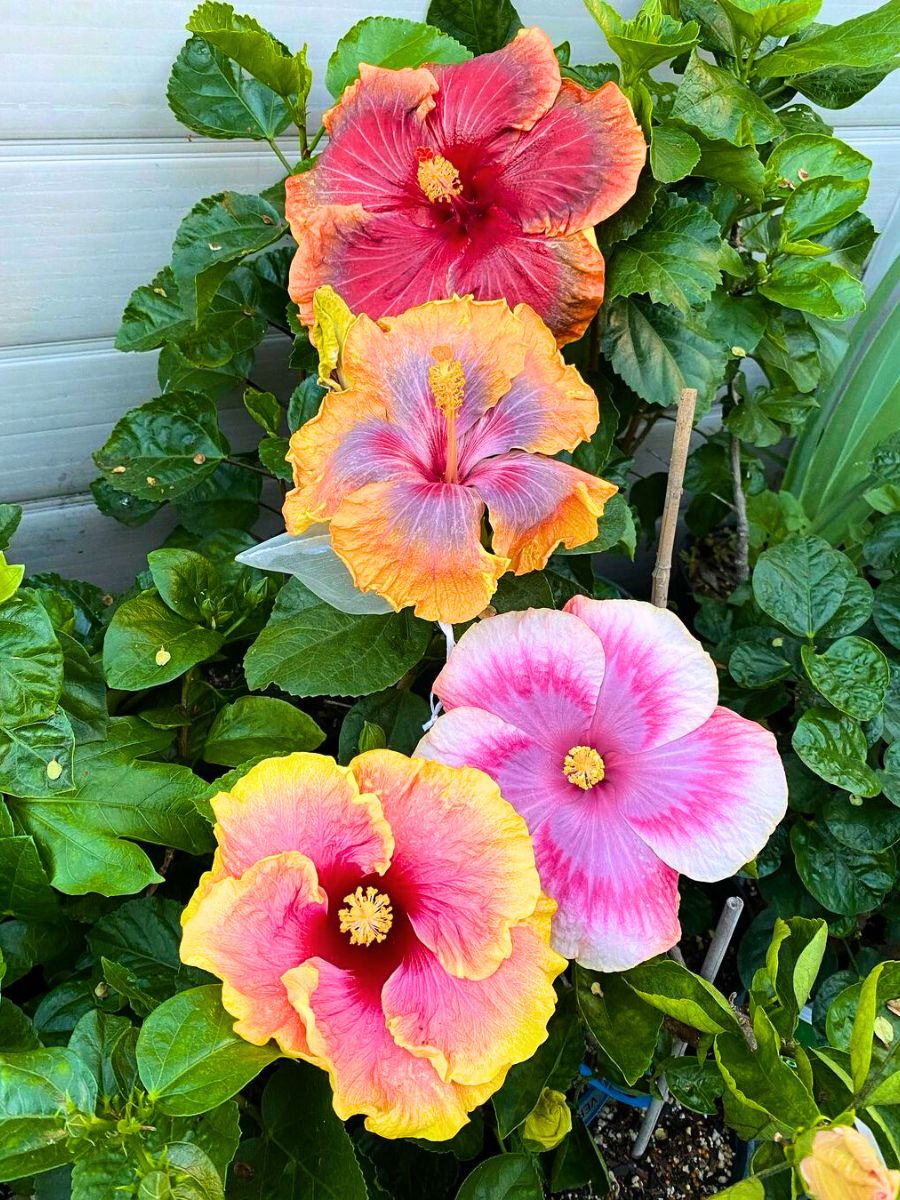
You can’t talk about tropical plants without mentioning the Hibiscus (Hibiscus rosa-sinensis). It’s the quintessential tropical flower, often depicted in art and clothing. These beauties are known for their enormous, trumpet-shaped flowers that come in a dizzying array of colours: fiery red, sunny yellow, vibrant pink, soft orange, and even multi-coloured varieties.
Why it loves the tropics: Hibiscus absolutely craves sunshine and well-drained soil. The warm, humid air is exactly what it needs to produce those big, show-stopping blooms consistently. It needs regular watering, especially during dry spells, but is otherwise a pretty forgiving plant. Keep an eye out for pests like aphids, but otherwise, let it soak up the sun and enjoy the show.
Bird of Paradise: The Architectural Marvel
The Bird of Paradise (Strelitzia reginae) is less about sweet fragrance and more about spectacular form. Its flowers genuinely look like exotic, crested birds taking flight, hence the name. With stiff, paddle-shaped, grey-green leaves, it adds a dramatic, architectural element to any space, giving you a true jungle-esque vibe.
Why it loves the tropics: Native to South Africa but thriving globally in tropical and subtropical zones, it needs plenty of sun to bloom its best. It’s tough and relatively drought-tolerant once established, but it really thrives with consistent moisture and the constant warmth of the tropical climate. It might take a few years for a young plant to produce flowers, but the wait is absolutely worth it.
Bougainvillea: Cascades of Color
The Bougainvillea is a magnificent, vigorous climbing vine or sprawling shrub known for its spectacular cascades of colour. Fun fact: the vivid colours aren’t the actual flowers—those are tiny, white, and less noticeable. The colour comes from the colourful, papery bracts that surround the flowers. They range from deep magenta and vibrant purple to hot pink, orange, and even white.
Why it loves the tropics: Bougainvillea is practically bulletproof in warm climates. It loves full, relentless sun and thrives on neglect. In fact, too much water or fertilizer will encourage leafy growth rather than the colourful bracts. Plant it in a spot where it can climb a fence or wall and watch it explode with colour, even in hot, dry conditions.
🍃 Lush Foliage and Dramatic Shapes
Tropical gardens aren’t just about flowers; they are defined by their incredible, varied, and often enormous foliage. These plants provide the dense, layered green backdrop that makes the tropics feel like a rainforest.
Banana Plants: Instant Jungle Canopy
For instant tropical drama, nothing beats the Banana Plant (Musa species). With leaves that can grow many feet long, these plants create an unparalleled sense of scale and a lush, jungle canopy effect. Even if you don’t grow an edible fruit variety, the sheer size of the leaves is a showstopper.
Why it loves the tropics: Bananas are fast-growing and absolutely adore the trifecta of tropical conditions: heat, sun, and water. They are heavy feeders and drinkers, so they’ll need rich soil and lots of consistent watering to look their best. Their leaves can get shredded in high winds, so a sheltered spot is ideal, but they quickly grow new ones.
Canna Lilies: Bold Stripes and Paddles
Despite their name, Canna Lilies are not true lilies. They are herbaceous perennials famous for their massive, paddle-shaped leaves that can be solid green, variegated with stripes, or even deep, sultry maroon-black. They also produce striking, often fiery-coloured flowers in shades of red, yellow, and orange.
Why it loves the tropics: Cannas thrive on the same heat and humidity that make the tropics what they are. They grow from rhizomes (underground stems) and multiply easily, creating dense clumps that are perfect for filling out a border or container. Plant them in full sun and keep the soil moist, and they will give you a vibrant display of both foliage and flower.
Elephant Ears: The Leaf Giants
The plants commonly called Elephant Ears (Colocasia and Alocasia species) are aptly named. Their leaves can be truly enormous, heart-shaped, and deeply veined, making an impressive statement. Colocasia varieties often have a more matte finish and hang downwards, while many Alocasia have a glossier texture and point upwards.
Why it loves the tropics: These plants thrive in consistently moist, rich soil and partial shade, often found in the understory of the tropical forest. They bring an incredible, almost prehistoric texture to the garden, especially when planted en masse near a pond or in a perpetually damp area. The warmth is crucial for their growth—they turn the dial to eleven in tropical heat.
🌿 Groundcovers and Smaller Wonders
Not every plant has to reach for the sky. The tropical understory is full of smaller, intricate plants that add incredible texture and detail to the garden floor.
Bromeliads: Nature’s Colorful Cups
Bromeliads are perhaps the most unique of the tropical plant world. They often grow on trees as epiphytes (meaning they don’t take nutrients from the tree) and have stiff, colourful rosettes of leaves that form a cup in the centre. This cup collects rainwater and nutrients. The ‘flower’ is often a long-lasting, colourful spike or bract nestled in the centre of the leaves.
Why it loves the tropics: They are perfectly adapted to the rain and humidity. They don’t need rich soil—many of them don’t even need soil at all! They only require high humidity and moderate light. They are fantastic for adding colour and texture to shaded areas beneath larger plants or for growing on trellises and logs.
Gingers: Fragrance and Form
The Ginger family (Hedychium, Alpinia, and others) offers a diverse range of tropical plants, many of which are highly fragrant. Plants like the White Ginger Lily (Hedychium coronarium) produce incredibly sweet-smelling white flowers that are often used in leis and perfumes. Other ornamental gingers, like the Torch Ginger (Etlingera elatior), have magnificent, almost alien-looking flower spikes that resemble fiery torches.
Why it loves the tropics: They thrive in the warm, humid conditions and partial shade, often growing vigorously from rhizomes to form dense, lush clumps. They require good moisture and rich soil to produce their best foliage and blooms. The incredible fragrance of many varieties is an added bonus that makes a tropical garden truly enchanting.
☀️ The Secret to Success: Embrace the Conditions
Growing plants in a tropical climate isn’t a battle—it’s a partnership. You are working with conditions that are already optimal for plant growth. The key is to:
1. Embrace the Moisture: Tropical plants are built for rain. Ensure your soil drains well to prevent root rot, but also be prepared to water consistently during dry spells.
2. Harness the Sun (Wisely): Many plants, like Bougainvillea and Hibiscus, love full sun. Others, like the Elephant Ears and many Gingers, prefer the dappled light or partial shade of a canopy. Know your plant’s needs and place it accordingly.
3. Feed the Giants: Because of the constant warmth and heavy rain, nutrients can leach out of the soil quickly. Large, fast-growing tropical plants are often heavy feeders, so regular fertilization will keep them looking their best.
—–
Conclusion
The tropical climate is a gardener’s dream, a natural greenhouse where plants flourish with unmatched vigor and spectacle. By choosing plants like the sun-loving Hibiscus and Bougainvillea, the dramatic Banana and Elephant Ear plants, and the unique Bromeliads and Gingers, you can create a lush, colourful, and effortlessly maintained paradise. These plants are the cornerstones of the tropical landscape, asking little more than to bask in the warmth and humidity that your climate so generously provides. Stop fighting nature and start celebrating it—your own personal jungle awaits.
—–
❓ Frequently Asked Questions (FAQs)
How often should I water tropical plants in the rainy season?
While tropical plants thrive on moisture, the key is proper drainage. During the peak rainy season, you generally won’t need to water at all, as the natural rainfall is usually sufficient. Focus instead on ensuring your soil or containers don’t become waterlogged, which can lead to root rot. If you have any plants in pots, check that the drainage holes are clear and the water is running out freely after a heavy shower.
What is the best way to fertilize large, fast-growing tropical foliage plants?
Large foliage plants like Banana and Elephant Ears are heavy feeders because they grow so quickly. A balanced, slow-release granular fertilizer applied every 2-3 months is a good, low-maintenance approach. Alternatively, you can use a water-soluble fertilizer more frequently (every 4-6 weeks) during their active growing season. Look for a fertilizer with a balanced N-P-K ratio (like 10-10-10 or similar) to support both leaf growth and overall health.
Do I need to prune tropical plants often?
Many tropical plants, especially vigorous growers like Bougainvillea, will benefit from regular pruning. Pruning helps maintain a tidy shape, encourages bushier growth, and often stimulates more flowering. For instance, you should prune Hibiscus in late winter or early spring to encourage new growth where flowers will form. For dense, shrubby plants, thinning out older stems helps improve air circulation, which is important in humid conditions to prevent fungal issues.
Are there any tropical plants that thrive in heavy shade?
Yes, absolutely! Many beautiful tropical plants prefer lower light conditions, simulating the understory of a rainforest. Excellent choices for heavy shade include Bromeliads, certain types of colorful Caladiums (known for their painted, heart-shaped leaves), and various species of Ferns (like the huge, architectural Giant Ferns). These plants are perfect for adding life and colour to the darkest corners of your garden or balcony.

:strip_icc()/houseplants-you-cant-kill-Final-180244527c60405fb9668911dab14857.jpg?resize=200,135&ssl=1 "Effortless Greenery: Low-Maintenance Plants For Beginner Gardeners")
:max_bytes(150000):strip_icc()/low-light-conditions-houseplants-1902917-834ee8847a324939b796845a6bc22d36.png?resize=200,135&ssl=1 "Shade Savvy: Thriving Indoor Plants For Low-Light Locations")
