
The Verdant Veil: Unraveling the Majesty of Parthenocissus tricuspidata ‘Veitchii’
Botanical Portrait: A Symphony of Leaves and Tendrils
The Parthenocissus tricuspidata ‘Veitchii’ is a deciduous, woody vine renowned for its rapid growth and vigorous climbing habit. It belongs to the Vitaceae family, the same family that encompasses grapevines. This cultivar is distinguished by its smaller, more deeply lobed leaves compared to the standard Parthenocissus tricuspidata.
Leaf Morphology: A Tapestry of Textures
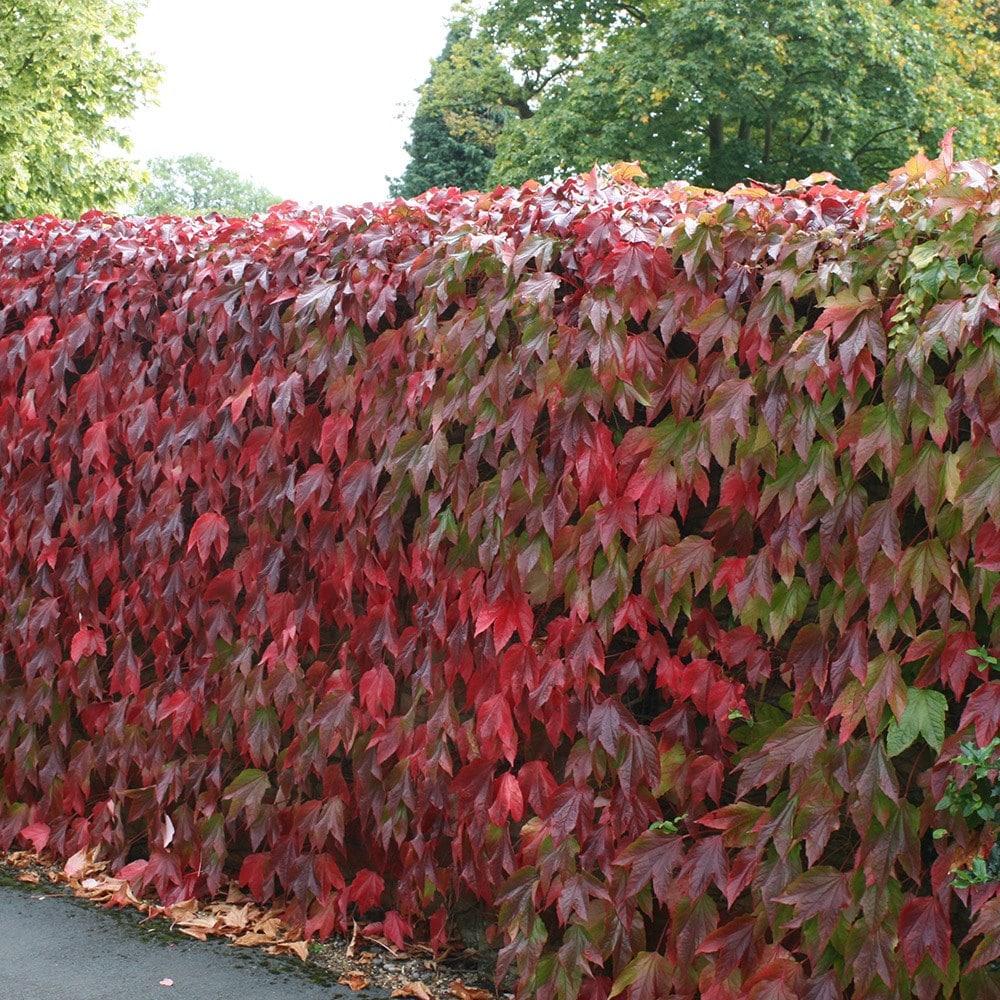
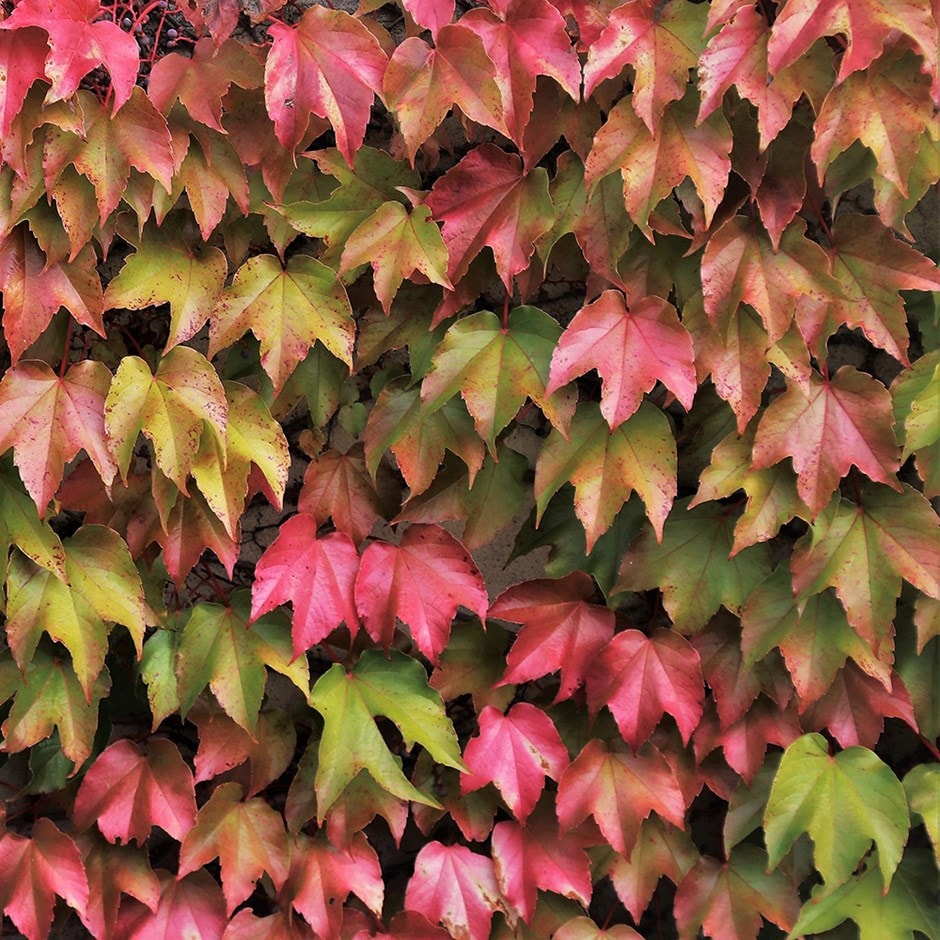
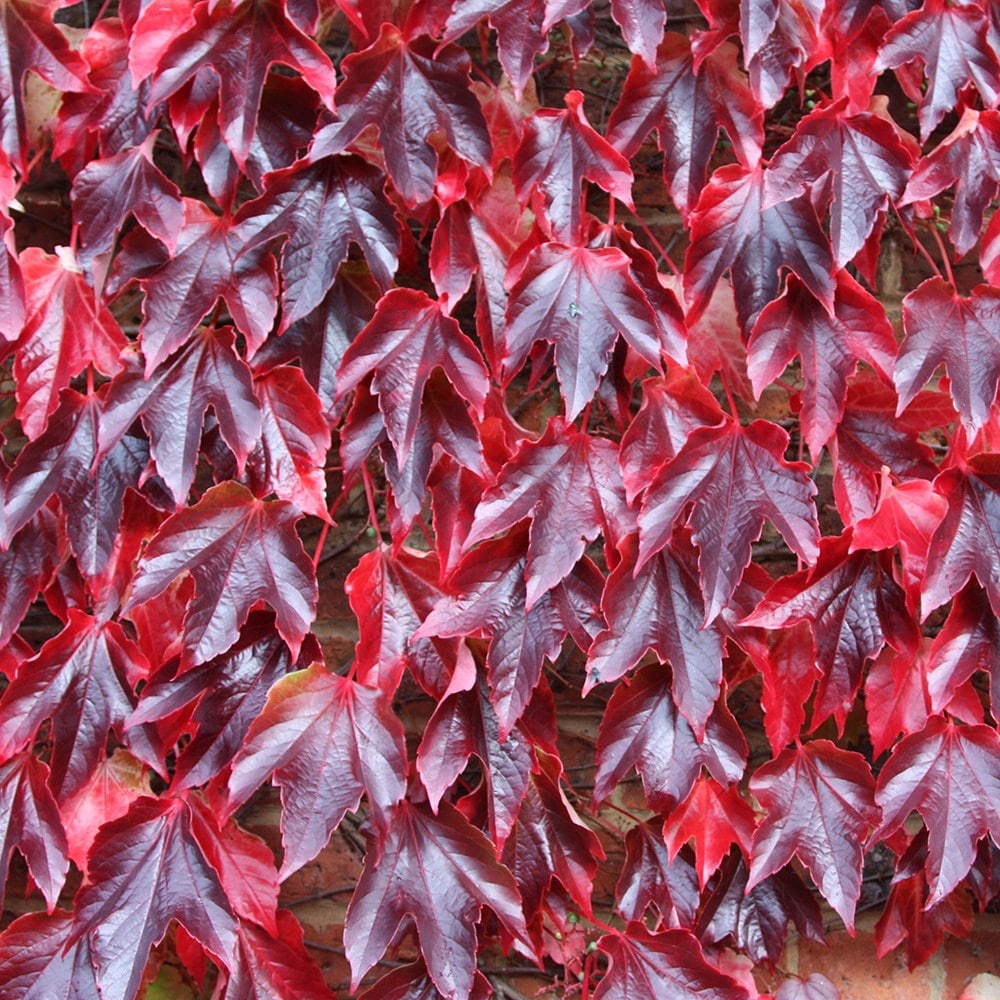
The leaves of ‘Veitchii’ are typically trifoliate, meaning they consist of three leaflets. These leaflets are palmately lobed, exhibiting a characteristic shape that resembles the imprint of a bird’s foot. The leaf margins are serrated, adding a delicate, toothed edge to the overall texture. In summer, the foliage presents a rich, deep green hue, creating a lush, verdant backdrop. As autumn approaches, the leaves undergo a dramatic transformation, transitioning to a fiery palette of crimson, scarlet, and purple, painting the landscape with a breathtaking display of autumnal color.
Climbing Mechanism: Adhesive Discs and Aerial Roots
One of the most remarkable features of Parthenocissus tricuspidata ‘Veitchii’ is its climbing mechanism. It possesses specialized tendrils equipped with adhesive discs that secrete a glue-like substance, enabling the vine to adhere firmly to a variety of surfaces, including brick, stone, and wood. Additionally, it can produce aerial rootlets that also help with climbing and support. This tenacious grip allows the vine to ascend vertical surfaces with remarkable efficiency, creating a dense, living wall of foliage.
Flowers and Fruits: Subtle Beauty and Ecological Role
While the foliage takes center stage, Parthenocissus tricuspidata ‘Veitchii’ also produces inconspicuous greenish-white flowers in late spring or early summer. These flowers, though small and relatively hidden beneath the foliage, are essential for the vine’s reproductive cycle. Following pollination, the vine develops small, bluish-black berries, which are a valuable food source for birds and other wildlife, contributing to the ecological balance of the surrounding environment.
Cultivation and Care: Nurturing the Verdant Embrace
Cultivating Parthenocissus tricuspidata ‘Veitchii’ is generally straightforward, making it a popular choice for both novice and experienced gardeners. Its adaptability to various soil types and its tolerance of partial shade contribute to its ease of care.
Soil and Sunlight: Providing the Ideal Foundation
‘Veitchii’ thrives in well-drained soil, though it can tolerate a range of soil types, including clay, loam, and sandy soils. It prefers full sun to partial shade, with at least a few hours of direct sunlight promoting optimal growth and vibrant autumn color.
Watering and Fertilization: Maintaining Vitality
While established vines are relatively drought-tolerant, regular watering is essential during the first few years to establish a strong root system. Fertilization is generally not necessary, as the vine can thrive in moderately fertile soils. However, a light application of balanced fertilizer in spring can enhance growth and foliage density.
Pruning and Training: Shaping the Verdant Canvas
Pruning is essential to control the vine’s growth and maintain its desired shape. Regular pruning can also prevent the vine from becoming overly dense and encroaching on unwanted areas. It is best to prune in late winter or early spring before new growth begins. Training the vine onto a trellis or other support structure can help guide its growth and create a visually appealing display.
Propagation: Expanding the Verdant Legacy
Ecological Significance: A Haven for Wildlife
Beyond its aesthetic appeal, Parthenocissus tricuspidata ‘Veitchii’ plays a vital role in supporting local ecosystems. Its dense foliage provides shelter and nesting sites for birds and insects, while its berries serve as a valuable food source for wildlife. The vine’s ability to cover walls and fences also helps to regulate temperature and reduce urban heat island effects.
Cultural Impact: Transforming Landscapes and Inspiring Art
Architectural Integration: Living Walls and Vertical Gardens
Architects have long recognized the potential of ‘Veitchii’ to transform buildings into living works of art. Its ability to cover large surfaces with a dense, green tapestry creates a sense of natural harmony and softens the harsh lines of urban architecture. It is commonly used to create vertical gardens, green walls, and living facades, enhancing the aesthetic appeal and environmental sustainability of buildings.
Artistic Inspiration: Capturing the Beauty of Autumn
The vine’s vibrant autumn foliage has inspired countless artists, from painters and photographers to poets and writers. Its fiery hues and intricate leaf patterns have been captured in numerous works of art, serving as a symbol of the beauty and transience of nature.
Historical Context: A Legacy of Botanical Exploration
The introduction of Parthenocissus tricuspidata ‘Veitchii’ into cultivation reflects a broader history of botanical exploration and plant introduction. The cultivar’s name honors James Veitch & Sons, a renowned British nursery that played a significant role in introducing and popularizing numerous exotic plants. Its legacy underscores the importance of horticultural innovation and the ongoing quest to enrich our landscapes with botanical treasures.
Challenges and Considerations: Managing the Vigorous Vine
While Parthenocissus tricuspidata ‘Veitchii’ is a relatively low-maintenance plant, its vigorous growth can pose certain challenges.
Potential for Damage: Protecting Structures
The adhesive discs of ‘Veitchii’ can sometimes damage painted surfaces or loose mortar. It is essential to carefully consider the suitability of the surface before planting the vine. Regular pruning and maintenance can help mitigate this risk.
Controlling Spread: Preventing Encroachment
The vine’s rapid growth can lead to encroachment on unwanted areas, such as roofs, gutters, and neighboring properties. Regular pruning and training are crucial for controlling its spread and preventing damage.
Allergies: Addressing Potential Sensitivities
Some individuals may experience allergic reactions to the sap or pollen of Parthenocissus tricuspidata ‘Veitchii’. It is advisable to wear gloves and protective clothing when handling the vine, especially during pruning.

:strip_icc()/houseplants-you-cant-kill-Final-180244527c60405fb9668911dab14857.jpg?resize=200,135&ssl=1 "Effortless Greenery: Low-Maintenance Plants For Beginner Gardeners")
:max_bytes(150000):strip_icc()/low-light-conditions-houseplants-1902917-834ee8847a324939b796845a6bc22d36.png?resize=200,135&ssl=1 "Shade Savvy: Thriving Indoor Plants For Low-Light Locations")
