
Absolutely! Here’s a 3000-word article about Vriesea, formatted with `
` and `
` tags in place of “, and covering a wide range of aspects:
Vrieseas, with their vibrant colors and striking forms, stand as a testament to the sheer diversity and beauty found within the Bromeliad family. These tropical epiphytes, primarily native to Central and South America, have captivated plant enthusiasts worldwide, gracing homes, gardens, and botanical collections with their unique charm.
Introduction to Vriesea: A Botanical Marvel
Vrieseas are distinguished by their rosette-shaped growth habit, often forming a central “cup” that collects water and nutrients. This adaptation is vital for their survival in their natural habitat, where they typically grow on trees, absorbing moisture and sustenance from the humid air and rainfall. The genus boasts a wide range of species, each with its own distinct characteristics, from the fiery red bracts of Vriesea splendens to the delicate, feathery inflorescence of Vriesea hieroglyphica.
Taxonomy and Classification

Vriesea belongs to the Bromeliaceae family, a group of flowering plants known for their unique adaptations and stunning floral displays. The genus is named after Willem Hendrik de Vriese, a Dutch botanist and physician. Within the Bromeliaceae, Vriesea is classified within the subfamily Tillandsioideae, which is characterized by its epiphytic nature and specialized trichomes (tiny scales) that aid in water and nutrient absorption.
Natural Habitat and Distribution
Vrieseas thrive in the tropical and subtropical regions of the Americas, with a concentration of species in Brazil, Ecuador, and the Andean slopes. They are primarily epiphytes, meaning they grow on other plants, typically trees, without parasitizing them. This lifestyle allows them to access sunlight and air circulation, which are essential for their growth. They are also found growing on rocks, a habit called lithophytic.
Characteristics and Morphology
Vrieseas are known for their striking foliage and vibrant inflorescences. Understanding their morphology is key to appreciating their unique adaptations.
Rosette Structure and Water Storage
The central rosette of leaves forms a cup-like structure that serves as a reservoir for water and nutrients. This adaptation allows Vrieseas to survive in environments where rainfall can be sporadic. The leaves are often broad and strap-shaped, with smooth or toothed margins, and can exhibit a variety of colors and patterns.
Inflorescence and Bracts
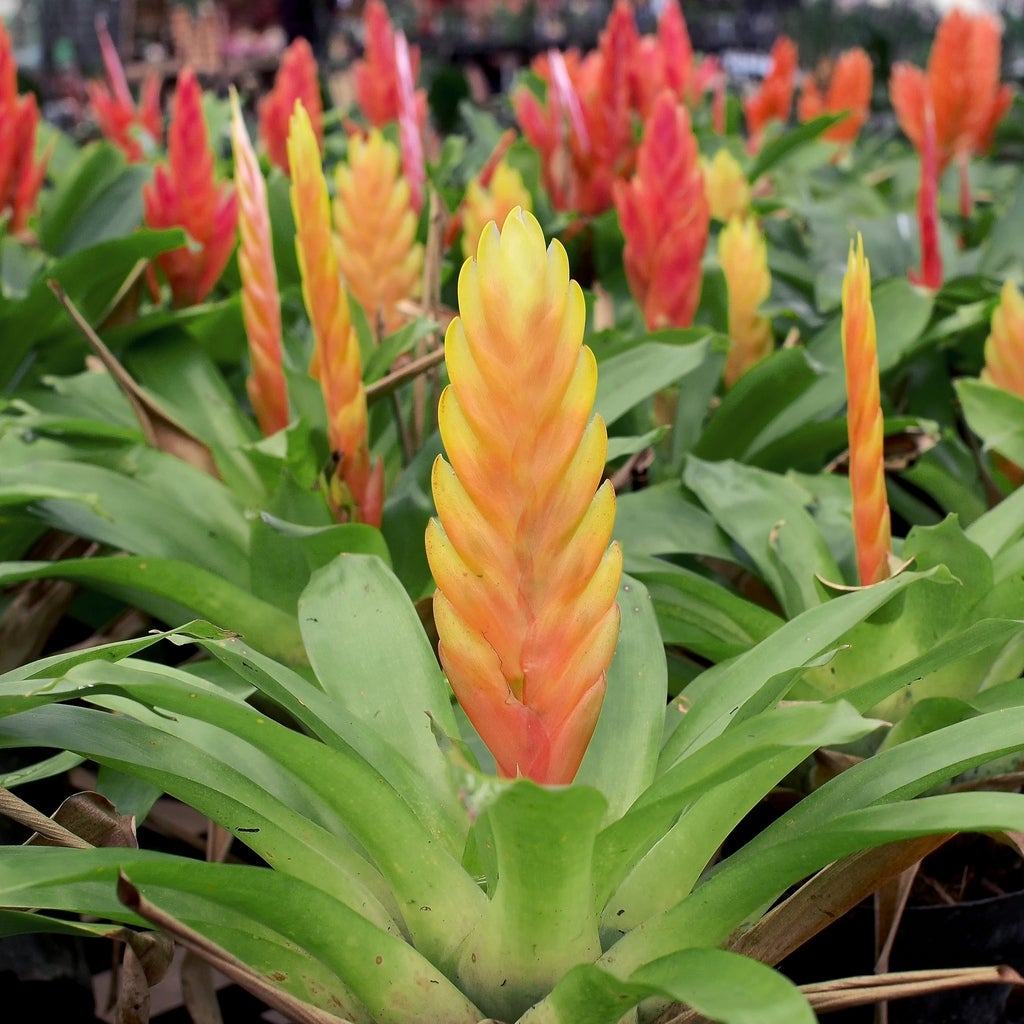
The inflorescence of Vriesea is a prominent feature, often consisting of a tall, erect spike or a branched panicle. The bracts, which are modified leaves surrounding the flowers, are often brightly colored and long-lasting, providing a stunning display that can last for several weeks or even months. Flowers are typically small and tubular, often hidden within the bracts.
Root System
The root system of Vrieseas is primarily used for anchoring the plant to its substrate. While they can absorb some moisture and nutrients, their primary function is to provide stability. The trichomes on the leaves are the primary means of water and nutrient uptake.
Cultivation and Care
Vrieseas are popular houseplants due to their striking appearance and relatively easy care.
Light Requirements
Vrieseas prefer bright, indirect light. Direct sunlight, especially during the hottest part of the day, can scorch their leaves. A location near an east- or west-facing window is ideal.
Watering and Humidity
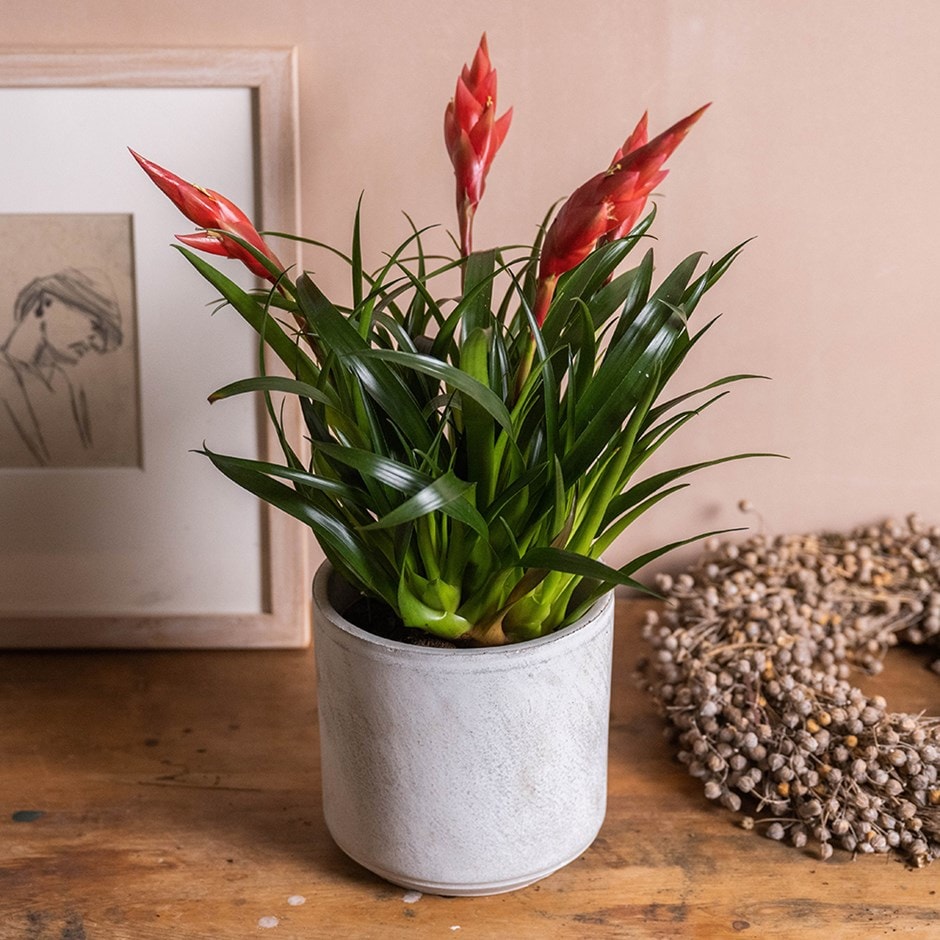
Watering should be done by filling the central cup with water, allowing it to drain completely. The substrate should be allowed to dry slightly between waterings. High humidity is beneficial, especially for species that are accustomed to tropical environments. Misting the leaves regularly can help maintain adequate humidity levels.
Substrate and Potting
Vrieseas prefer a well-draining substrate, such as a mix of orchid bark, perlite, and sphagnum moss. This mix allows for good aeration and prevents waterlogging. They can be grown in pots or mounted on pieces of bark or driftwood, mimicking their natural epiphytic habitat.
Fertilization
Vrieseas require minimal fertilization. A diluted liquid fertilizer, specifically formulated for bromeliads or orchids, can be applied every few weeks during the growing season. Avoid over-fertilizing, as this can damage the plant.
Propagation
Vrieseas can be propagated by offsets, or “pups,” that develop at the base of the mature plant. Once the pups have reached about one-third to one-half the size of the parent plant, they can be carefully separated and potted. Seed propagation is also possible, but it requires specialized conditions and is typically used by professional growers.
Popular Vriesea Species and Cultivars
The genus Vriesea encompasses a diverse array of species and cultivars, each with its own unique characteristics.
Vriesea splendens (Flaming Sword)
Vriesea hieroglyphica
Vriesea fosteriana (Tiger Stripe Vriesea)
Vriesea ‘Astrid’
Vriesea ‘Eltoniana’
Ecological Significance
Vrieseas play a vital role in their natural ecosystems, providing habitat and sustenance for a variety of organisms.
Habitat for Wildlife
The central cup of Vrieseas provides a habitat for various insects, amphibians, and other small animals. These organisms find shelter, water, and food within the plant’s structure.
Nutrient Cycling
Vrieseas contribute to nutrient cycling in their ecosystems by trapping organic matter and debris in their central cups. This material decomposes, providing essential nutrients for the plant and other organisms.
Epiphytic Communities
Vrieseas are an integral part of epiphytic communities, which are complex ecosystems that exist in the canopy of forests. These communities support a diverse array of plant and animal life.
Conservation Status and Threats
Many Vriesea species are threatened by habitat loss due to deforestation, agriculture, and urbanization.
Habitat Loss
The destruction of tropical forests is the primary threat to Vrieseas. As their natural habitats are cleared for agriculture, logging, and development, many species are losing their homes.
Illegal Collection
The illegal collection of wild Vrieseas for the horticultural trade also poses a threat to their populations. Over-collection can deplete wild populations and disrupt natural ecosystems.
Climate Change
Climate change is another significant threat to Vrieseas. Changes in temperature and rainfall patterns can alter their habitats and affect their ability to survive.
Vrieseas in Horticulture and Landscaping
Vrieseas are highly valued in horticulture and landscaping for their ornamental appeal and adaptability.
Indoor Gardens
Vrieseas make excellent houseplants, adding a touch of tropical elegance to indoor spaces. Their vibrant colors and unique forms can brighten any room.
Terrariums and Vertical Gardens
Vrieseas are well-suited for terrariums and vertical gardens, where their epiphytic nature can be showcased. Their ability to thrive in humid environments makes them ideal for these types of displays.
Outdoor Landscaping
In tropical and subtropical climates, Vrieseas can be used in outdoor landscaping, adding a splash of color to gardens and patios. They can be mounted on trees or rocks, creating naturalistic displays.
Conclusion: The Enduring Appeal of Vriesea
Vrieseas, with their stunning beauty and unique adaptations, continue to captivate plant enthusiasts worldwide. Their vibrant colors, striking forms, and relatively easy care make them a popular choice for indoor and outdoor gardens. By understanding their needs and appreciating their ecological significance, we can ensure that these radiant gems of the Bromeliad world continue to thrive for generations to come.

:strip_icc()/houseplants-you-cant-kill-Final-180244527c60405fb9668911dab14857.jpg?resize=200,135&ssl=1 "Effortless Greenery: Low-Maintenance Plants For Beginner Gardeners")
:max_bytes(150000):strip_icc()/low-light-conditions-houseplants-1902917-834ee8847a324939b796845a6bc22d36.png?resize=200,135&ssl=1 "Shade Savvy: Thriving Indoor Plants For Low-Light Locations")
