Absolutely! Here’s a comprehensive article about Allium schoenoprasum, commonly known as chives, covering various aspects from botany to culinary uses and cultivation.
The Versatile and Vibrant Chive: Allium schoenoprasum
Chives, scientifically known as Allium schoenoprasum, are a delightful and versatile herb belonging to the onion family, Alliaceae. Renowned for their mild, onion-like flavor and vibrant green color, chives have been a staple in culinary traditions worldwide for centuries. Beyond their culinary appeal, they offer a range of horticultural benefits and have a fascinating history.
Botany and Characteristics
chives
Description:
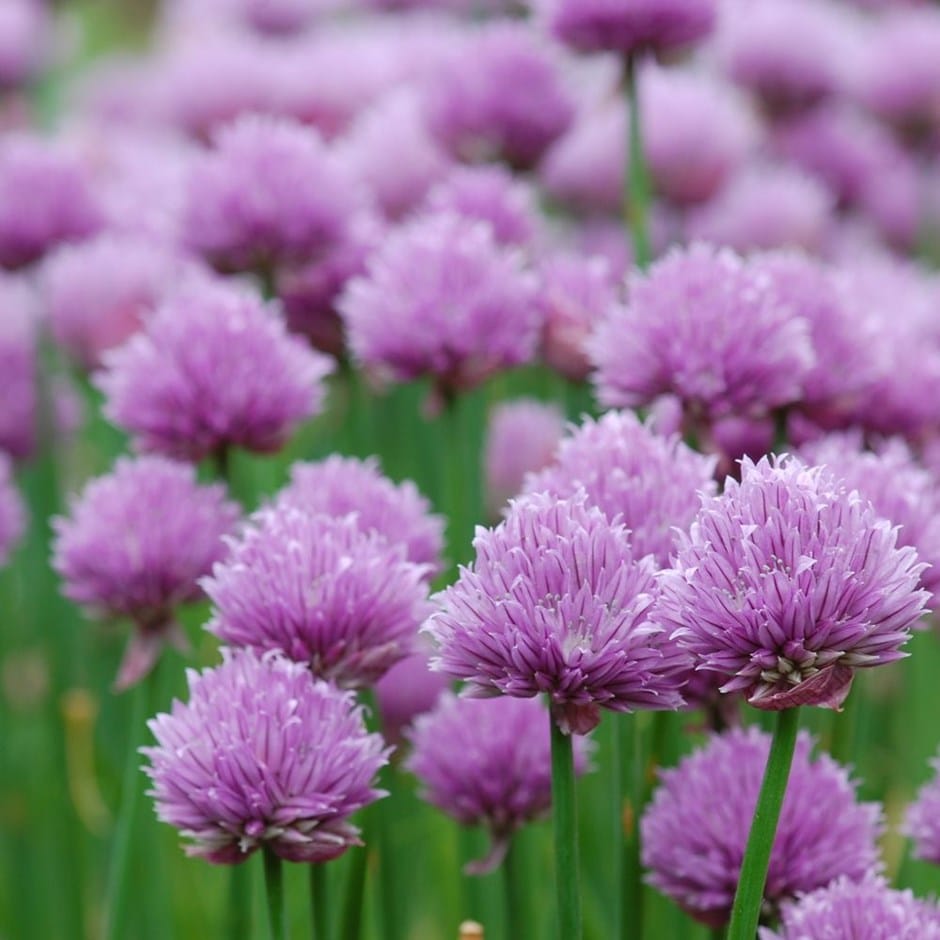
Chives are perennial plants characterized by their slender, hollow, and tubular leaves that grow in dense clumps. These leaves, typically 10-15 inches long, emerge from small, bulb-like structures at the base.
In late spring or early summer, chives produce delicate, spherical flower heads composed of numerous small, star-shaped flowers, usually in shades of purple or pink.
The bulbs are small, and clustered, and usually not harvested for consumption.
Classification:
Allium schoenoprasum belongs to the genus Allium, which also includes onions, garlic, leeks, and shallots.
It is one of the smallest species in this genus.
Varieties:
Several cultivars of chives exist, varying in leaf size, flower color, and growth habits. Examples include ‘Giant Siberian’ (larger leaves), ‘Chinese’ (often grown for its flowers), and ‘Grolau’ (known for its vigorous growth).
History and Distribution
Origin:
Chives are believed to have originated in Europe, Asia, and North America. Their use dates back to the Middle Ages, where they were valued for both culinary and medicinal purposes.
Global Spread:
Chives have naturalized in many temperate regions worldwide. They are widely cultivated in home gardens and commercial farms.
Their adaptability to various climates has contributed to their widespread distribution.
Cultivation and Care
Allium schoenoprasum BBC Gardeners World Magazine
Growing Conditions:
Chives thrive in well-drained soil and prefer full sun to partial shade.
They are hardy plants, tolerating a range of temperatures and even some frost.
Propagation:
Chives can be propagated from seeds, division of clumps, or by transplanting established plants.
Division is a common method for established plants, especially in spring or autumn.
Planting and Spacing:
Seeds should be sown in early spring or late summer.
When transplanting, space plants about 10-12 inches apart to allow for growth.
Maintenance:
Regular watering is essential, especially during dry periods.
Fertilizing with a balanced fertilizer in spring can promote healthy growth.
Removing flowers after they fade will encourage more leaf production.
Dividing clumps every few years prevents overcrowding.
Pest and Disease Control:
Chives are generally resistant to pests and diseases.
However, they can be susceptible to onion flies, slugs, and fungal diseases in poorly drained soil.
Culinary Uses
Flavor Profile:
Chives impart a mild, onion-like flavor with a hint of garlic.
Their delicate flavor makes them a versatile ingredient in various dishes.
Fresh Use:
Chives are best used fresh, as their flavor diminishes when cooked for extended periods.
They are commonly chopped and added as a garnish to soups, salads, dips, and egg dishes.
Cooking Applications:
Chives can be incorporated into sauces, dressings, and marinades.
They are a key ingredient in many French dishes, such as fines herbes.
They are used in potato dishes, and are a great addition to cream cheese.
Flower Use:
The flowers are edible, and can be used as a garnish, or added to salads. They impart a stronger onion flavor than the leaves.
Storage:
Fresh chives can be stored in the refrigerator for a few days.
They can also be frozen or dried, although drying can reduce their flavor.
Nutritional and Medicinal Benefits
Allium schoenoprasum (Chives) – Marginal Pond Plants – BP
Nutritional Value:
Chives are a good source of vitamins A and C, as well as folate and calcium.
They also contain antioxidants and other beneficial compounds.
Medicinal Properties:
Historically, chives have been used to treat various ailments, including digestive problems and high blood pressure.
Their antiseptic properties have also been recognized.
They contain Allicin, like garlic, which has antimicrobial properties.
Digestive Health:
Chives can stimulate the appetite and aid digestion.
Cardiovascular Health:
The antioxidants in chives may contribute to cardiovascular health by reducing oxidative stress.
Horticultural Benefits
Companion Planting:
Chives are excellent companion plants, repelling pests such as aphids, carrot flies, and Japanese beetles.
They are often planted near carrots, tomatoes, and roses.
Pollinator Attraction:
Chive flowers attract pollinators, including bees and butterflies, benefiting the garden ecosystem.
Natural Pest Control:
The strong scent of chives can deter many garden pests.
Chive Flowers
Beauty and Function:
Chive flowers are not only visually appealing but also serve an important ecological role.
They are a great source of nectar for pollinators.
Edible Flowers:
The flowers are edible and can be used as a garnish or added to salads.
They offer a stronger onion flavor than the leaves.
Seed Production:
Allowing some flowers to mature will result in seed production for propagation.
Conclusion
Allium schoenoprasum, the humble chive, is a remarkable herb that offers a wealth of benefits. From its culinary versatility and nutritional value to its horticultural advantages, chives are a valuable addition to any garden or kitchen. Their ease of cultivation and adaptability make them a favorite among gardeners and cooks alike. Whether used as a fresh garnish, a flavorful ingredient, or a natural pest repellent, chives continue to enrich our lives with their vibrant presence.



:strip_icc()/houseplants-you-cant-kill-Final-180244527c60405fb9668911dab14857.jpg?resize=200,135&ssl=1 "Effortless Greenery: Low-Maintenance Plants For Beginner Gardeners")
:max_bytes(150000):strip_icc()/low-light-conditions-houseplants-1902917-834ee8847a324939b796845a6bc22d36.png?resize=200,135&ssl=1 "Shade Savvy: Thriving Indoor Plants For Low-Light Locations")
