
Absolutely! Here’s a 3000-word article about Houttuynia cordata, structured with `
` and `
` tags instead of “, and formatted to be easily readable.
Houttuynia cordata, a herbaceous perennial plant, has captivated the attention of herbalists, chefs, and researchers alike. Known by a plethora of names—fish mint, fishwort, bishop’s weed, or dokudami in Japanese—this unassuming plant boasts a rich history of medicinal and culinary applications. Its distinctive heart-shaped leaves and pungent aroma make it easily recognizable, while its adaptability to diverse environments has enabled it to spread across Asia and beyond.
Botanical Profile and Distribution
Houttuynia cordata belongs to the Saururaceae family, a small family of flowering plants. It thrives in moist, shaded environments, such as riverbanks, wetlands, and understory areas. Its creeping rhizomes allow it to form dense mats, making it an effective ground cover.
Morphological Characteristics
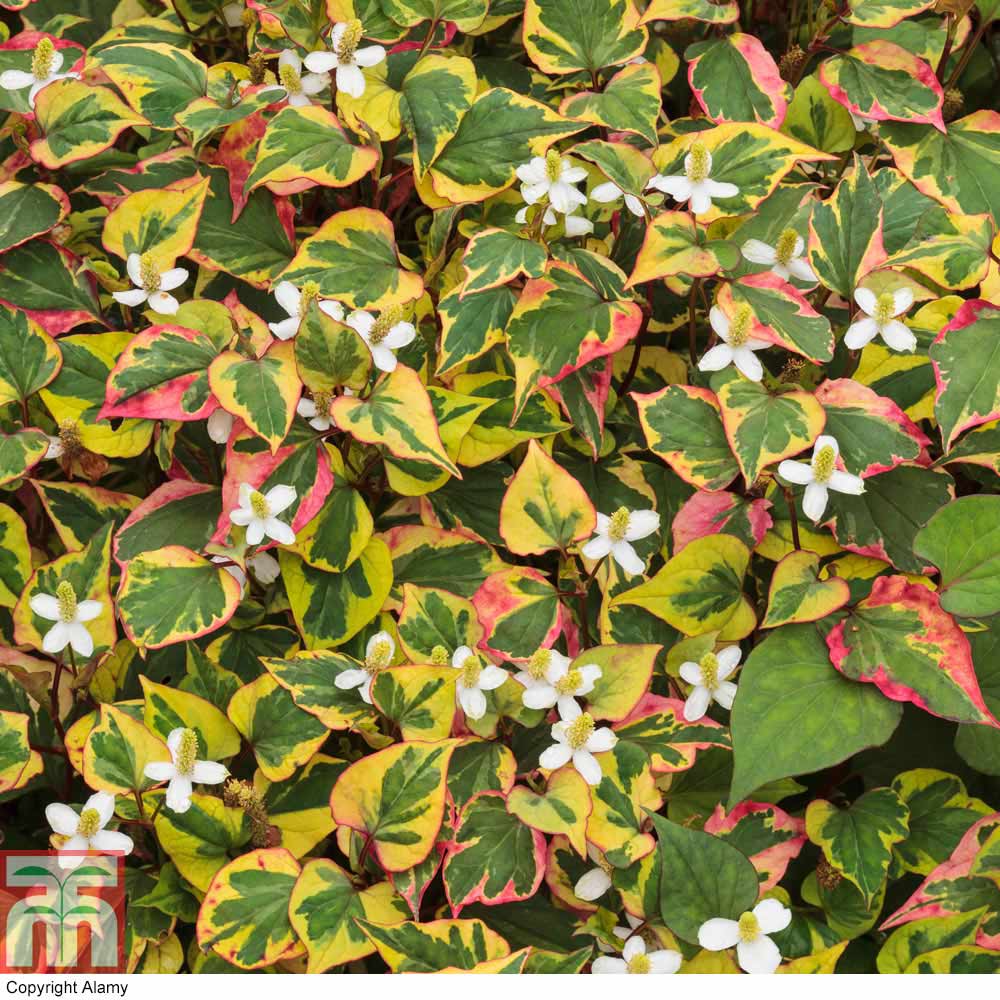
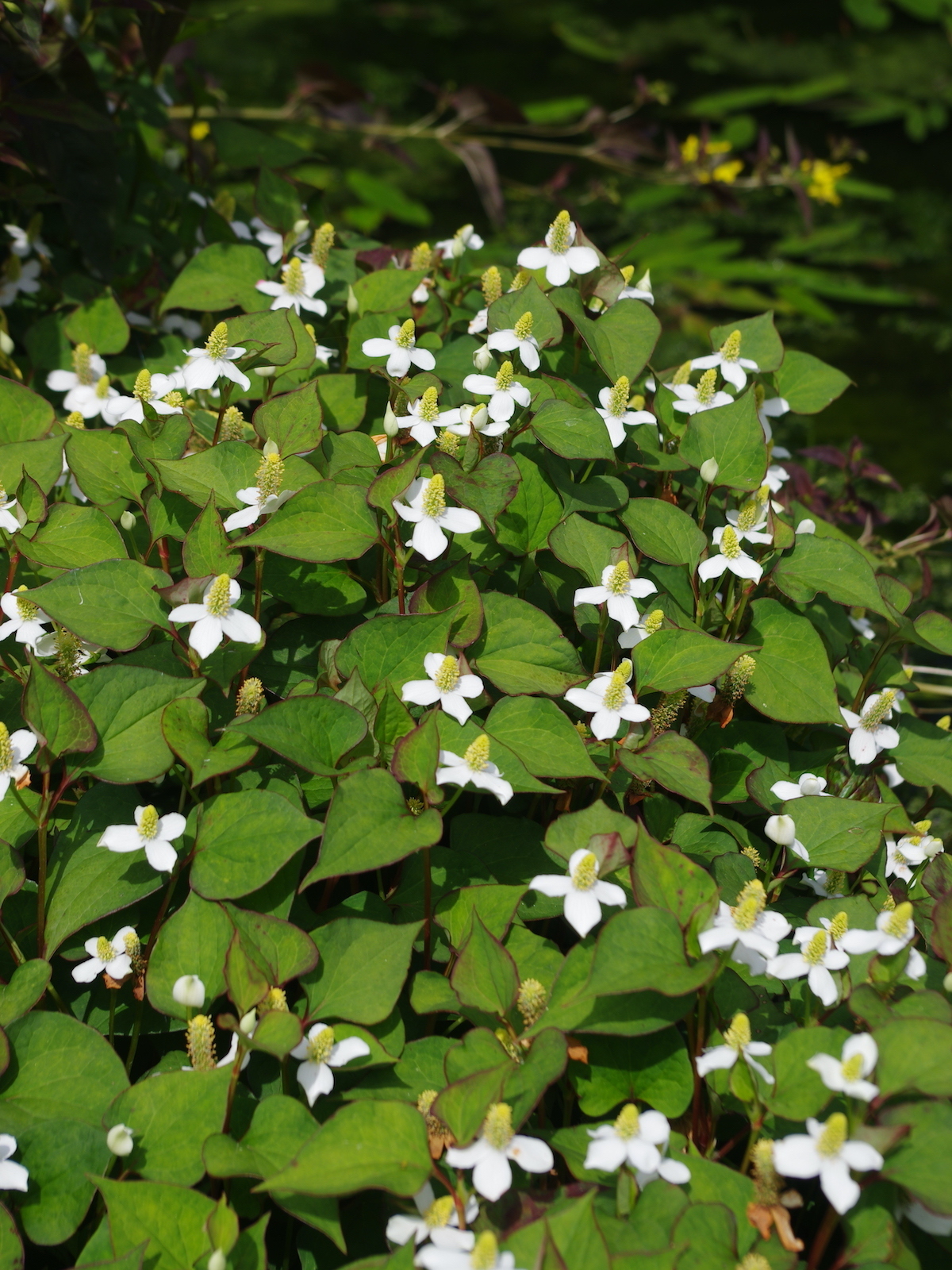
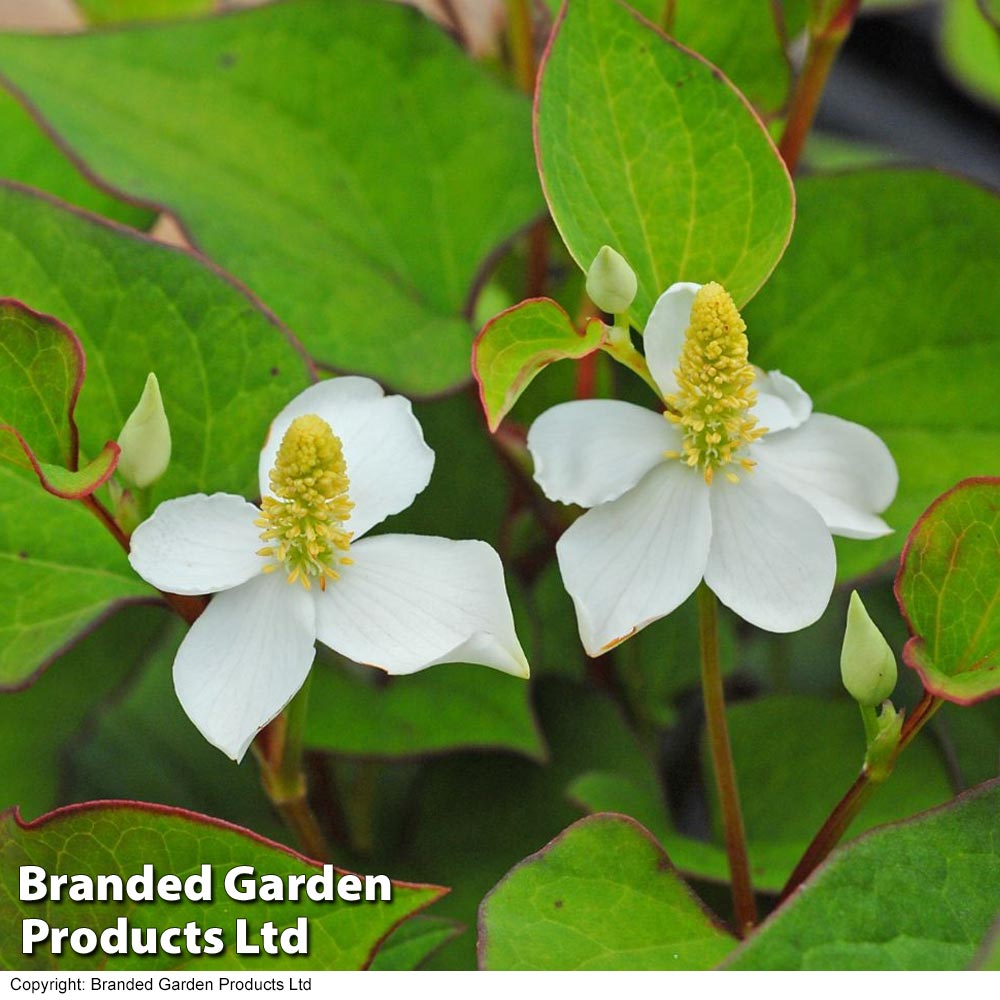
The plant is characterized by its heart-shaped leaves, which are typically green but can also display reddish or purplish hues. The leaves emit a unique, somewhat fishy odor when crushed, hence the common name “fish mint.” Small, white flowers bloom in the summer, forming a cone-shaped spike. The stems are slender and can grow up to 50 centimeters in length.
Geographical Distribution
Native to Southeast Asia, Houttuynia cordata has spread to various parts of East Asia, including China, Japan, Korea, and Vietnam. It has also been introduced to other regions, where it sometimes becomes naturalized. Its preference for damp conditions makes it particularly well-suited to temperate and subtropical climates.
Traditional Medicinal Uses
For centuries, Houttuynia cordata has been employed in traditional medicine systems across Asia. Its purported health benefits stem from its rich phytochemical composition, including flavonoids, alkaloids, and essential oils.
Antimicrobial Properties
Houttuynia cordata has been traditionally used to treat various infections. Studies have shown that its extracts possess potent antimicrobial activity against bacteria, viruses, and fungi. The plant’s essential oils, particularly decanoyl acetaldehyde, are believed to contribute to these antimicrobial effects.
Anti-inflammatory and Antioxidant Effects
The plant is also valued for its anti-inflammatory and antioxidant properties. Flavonoids, such as quercetin and hyperoside, help neutralize free radicals and reduce inflammation. These properties have been explored in the context of treating inflammatory conditions and promoting overall health.
Diuretic and Detoxifying Actions
In traditional Chinese medicine, Houttuynia cordata is considered a diuretic and detoxifying herb. It is believed to promote urination and eliminate toxins from the body. This has led to its use in treating urinary tract infections and other conditions associated with fluid retention.
Respiratory Health
Houttuynia cordata has been used to address respiratory ailments, including coughs, bronchitis, and pneumonia. Its expectorant properties help loosen mucus and clear the airways. It is often consumed as a tea or decoction to alleviate respiratory symptoms.
Culinary Applications
Beyond its medicinal uses, Houttuynia cordata is a versatile culinary herb. Its distinctive flavor, often described as a combination of fishy, citrusy, and peppery notes, adds a unique dimension to various dishes.
Fresh Consumption
In Southeast Asian cuisine, the fresh leaves of Houttuynia cordata are commonly eaten raw. They are added to salads, spring rolls, and other dishes to impart a refreshing and pungent flavor. In Vietnam, it is a staple herb in many traditional dishes.
Cooked Preparations
Houttuynia cordata can also be cooked. It is often added to soups, stir-fries, and stews. Cooking mellows its strong flavor, making it more palatable for some palates. In some regions, the roots are also consumed as a vegetable.
Beverages
The plant is used to make herbal teas and infusions. These beverages are consumed for their medicinal benefits and refreshing taste. In Japan, dokudami tea is a popular health drink.
Regional Variations
The culinary use of Houttuynia cordata varies across different regions. In Northeast India, it is a key ingredient in chutneys and pickles. In Southwest China, it is used to flavor cold dishes and soups.
Phytochemical Composition and Research
The therapeutic potential of Houttuynia cordata is attributed to its diverse array of bioactive compounds. Ongoing research aims to elucidate the mechanisms underlying its health benefits and identify novel applications.
Flavonoids
Flavonoids, such as quercetin, hyperoside, and rutin, are abundant in Houttuynia cordata. These compounds possess antioxidant, anti-inflammatory, and antiviral properties.
Alkaloids
The plant contains alkaloids, including aristolactams and piperidine alkaloids. These compounds have shown various pharmacological activities, including antimicrobial and cytotoxic effects.
Essential Oils
Houttuynia cordata is rich in essential oils, which contribute to its distinctive aroma and medicinal properties. Decanoyl acetaldehyde is a major component of these oils and is believed to be responsible for the plant’s antimicrobial activity.
Polysaccharides
Polysaccharides extracted from Houttuynia cordata have demonstrated immunomodulatory effects. They can enhance immune function and promote the production of cytokines.
Clinical Studies
Clinical trials have investigated the efficacy of Houttuynia cordata in treating various conditions, including respiratory infections, allergies, and inflammatory diseases. While promising, further research is needed to validate these findings and establish optimal dosages.
Cultivation and Harvesting
Houttuynia cordata is relatively easy to cultivate, making it a popular choice for home gardens and commercial cultivation.
Growing Conditions
The plant thrives in moist, well-drained soil and prefers partial shade. It can tolerate a range of soil types and pH levels. Propagation is typically done through rhizome division or stem cuttings.
Harvesting
The leaves and stems can be harvested throughout the growing season. For medicinal purposes, the entire plant, including the roots, may be harvested.
Sustainable Practices
Sustainable harvesting practices are essential to ensure the long-term availability of Houttuynia cordata. Overharvesting can deplete wild populations and disrupt ecosystems.
Potential Side Effects and Precautions
While Houttuynia cordata is generally considered safe, it is essential to be aware of potential side effects and precautions.
Allergic Reactions
Some individuals may experience allergic reactions to Houttuynia cordata, particularly if they have sensitivities to other plants in the Saururaceae family.
Interactions with Medications
Houttuynia cordata may interact with certain medications, such as diuretics and immunosuppressants. It is crucial to consult with a healthcare professional before using the plant medicinally.
Pregnancy and Breastfeeding
The safety of Houttuynia cordata during pregnancy and breastfeeding has not been established. Pregnant and breastfeeding women should avoid using the plant unless under medical supervision.
Dosage and Administration
The optimal dosage and administration of Houttuynia cordata vary depending on the intended use. It is essential to follow recommended guidelines and consult with a qualified healthcare provider.
Future Perspectives
Houttuynia cordata continues to be a subject of interest for researchers and practitioners. Its diverse applications in traditional medicine and cuisine, coupled with its rich phytochemical composition, suggest that it holds significant potential for future exploration.
Novel Therapeutic Applications
Ongoing research aims to identify novel therapeutic applications for Houttuynia cordata, particularly in the areas of cancer, neurodegenerative diseases, and metabolic disorders.
Sustainable Utilization
Developing sustainable cultivation and harvesting practices is crucial to ensure the long-term availability of Houttuynia cordata and minimize environmental impact.
Integration into Modern Medicine
Integrating traditional knowledge with modern scientific research can lead to a more comprehensive understanding of Houttuynia cordata’s benefits and facilitate its integration into mainstream healthcare practices.
In conclusion, Houttuynia cordata is a versatile and valuable plant with a rich history of medicinal and culinary uses. Its unique flavor and potent phytochemical composition make it a promising candidate for future research and applications. By combining traditional wisdom with scientific inquiry, we can unlock the full potential of this botanical marvel.

:strip_icc()/houseplants-you-cant-kill-Final-180244527c60405fb9668911dab14857.jpg?resize=200,135&ssl=1 "Effortless Greenery: Low-Maintenance Plants For Beginner Gardeners")
:max_bytes(150000):strip_icc()/low-light-conditions-houseplants-1902917-834ee8847a324939b796845a6bc22d36.png?resize=200,135&ssl=1 "Shade Savvy: Thriving Indoor Plants For Low-Light Locations")
