Absolutely! Here’s a comprehensive article about Phoenix roebelenii, structured as requested, with a focus on detailed information and practical advice.
The Enchanting Miniature Date Palm: Phoenix roebelenii
Phoenix roebelenii, commonly known as the Pygmy Date Palm or Miniature Date Palm, is a beloved ornamental palm prized for its graceful appearance and adaptability. Originating from Southeast Asia, specifically regions of Laos, Vietnam, and southern China, this species has found its way into landscapes and homes worldwide. Its compact size, elegant fronds, and ease of care make it a popular choice for both indoor and outdoor settings.
Botanical Characteristics
Growth Habit:
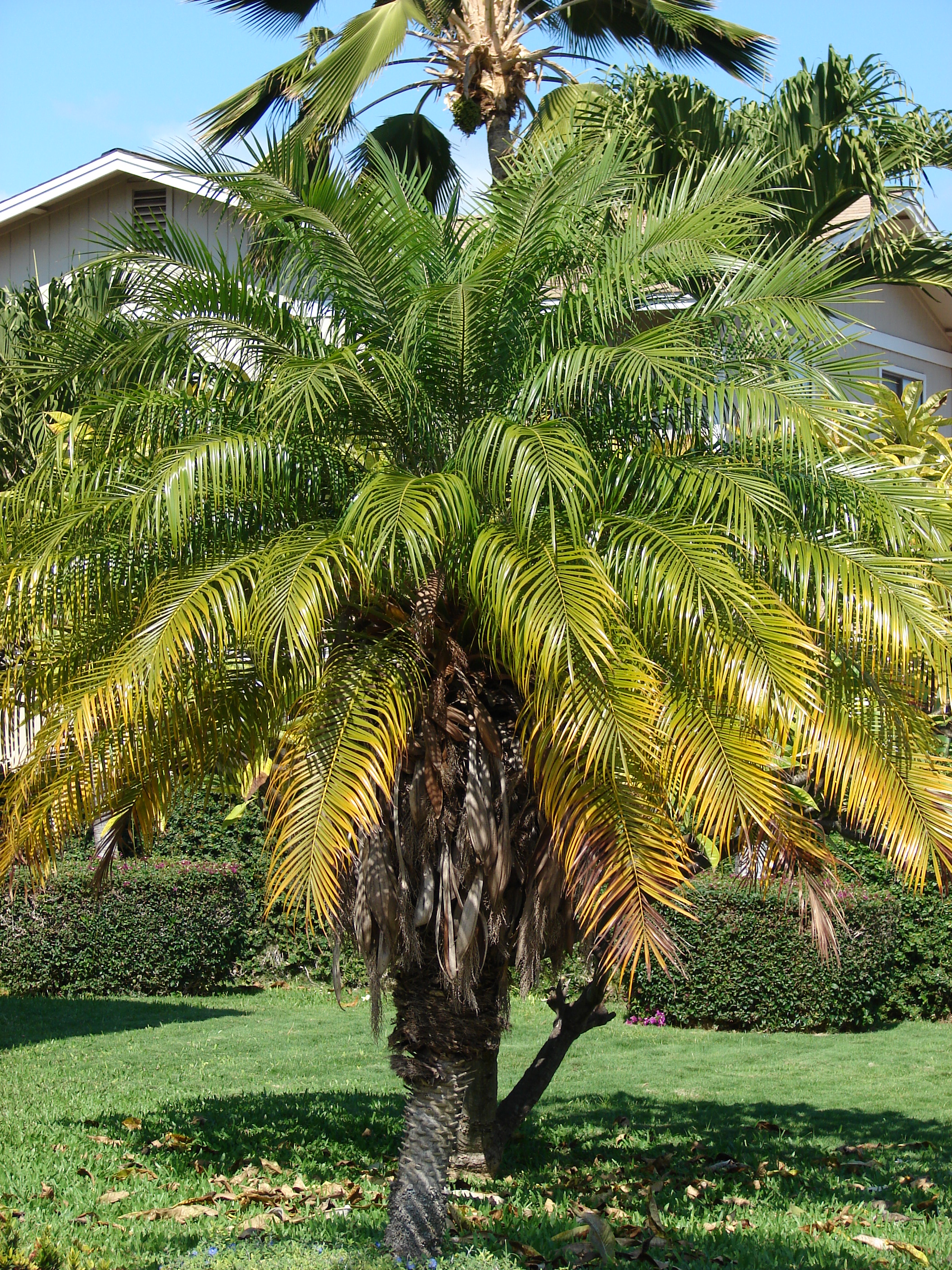
Phoenix roebelenii is a slow-growing palm, typically reaching heights of 6 to 10 feet (1.8 to 3 meters) when grown outdoors. Its single or sometimes multiple slender trunks are covered in diamond-shaped leaf base scars, adding to its textured appeal.
Unlike its larger relatives, it maintains a manageable size, making it suitable for smaller gardens and container cultivation.
Fronds:
The arching, feathery fronds are its most striking feature. These pinnate leaves, which can grow up to 3 to 4 feet (0.9 to 1.2 meters) long, are composed of numerous narrow, dark green leaflets.
The leaflets are arranged in a V-shape along the rachis, giving the fronds a delicate, cascading appearance.
Flowers and Fruits:
Phoenix roebelenii produces small, inconspicuous flowers borne on branched inflorescences. Male and female flowers are on separate plants (dioecious).
Female plants develop small, reddish-brown to purplish-black fruits, resembling miniature dates. These fruits are edible but not particularly palatable.
Trunk:
The trunk is rather thin, and covered in the old leaf bases. The overall effect is a textured trunk.
Cultivation and Care
Phoenix roebelenii – Wikipedia
Light Requirements:
Phoenix roebelenii thrives in bright, indirect light. Indoors, a location near a sunny window is ideal.
Outdoors, it prefers full sun to partial shade. However, in extremely hot climates, some afternoon shade is beneficial.
Temperature and Humidity:
This palm prefers warm temperatures, ideally between 65°F and 85°F (18°C and 29°C).
It can tolerate brief periods of cooler temperatures, but prolonged exposure to frost can cause damage.
Moderate to high humidity is preferred, especially indoors. Dry air can lead to browning of the frond tips.
Watering:
Consistent moisture is essential, but overwatering should be avoided. Allow the top inch of soil to dry out before watering again.
Proper drainage is crucial to prevent root rot. During the winter months, reduce watering frequency.
Soil:
Phoenix roebelenii prefers well-draining soil that is rich in organic matter. A mixture of potting soil, perlite, and peat moss is suitable for container cultivation.
Outdoors, amend heavy clay soils with compost or sand to improve drainage.
Fertilization:
Feed the palm with a balanced liquid fertilizer during the growing season (spring and summer).
Avoid over-fertilizing, as this can lead to salt buildup and damage the roots.
Repotting:
Repot container-grown palms every 2 to 3 years, or when they become root-bound.
Choose a slightly larger pot and use fresh potting mix.
Pruning:
Minimal pruning is required. Remove only dead or damaged fronds to maintain the palm’s appearance.
Avoid over pruning, as it can stress the plant.
Indoor Cultivation
Choosing a Location:
Select a location with bright, indirect light, such as near an east- or south-facing window.
Avoid placing the palm in direct sunlight, which can scorch the leaves.
Providing Humidity:
Increase humidity by misting the fronds regularly, placing a humidifier nearby, or setting the pot on a tray filled with pebbles and water.
Air Circulation:
Ensure good air circulation to prevent fungal diseases.
Avoid placing the plant in areas with stagnant air.
Pot Selection:
Select a pot with good drainage. Terra cotta pots are excellent due to their porous nature.
Outdoor Cultivation
Climate Considerations:
Phoenix roebelenii thrives in warm, tropical, and subtropical climates (USDA hardiness zones 10-11).
In cooler climates, it can be grown in containers and brought indoors during the winter.
Planting:
Choose a location with well-draining soil and adequate sunlight.
Dig a hole twice the width of the root ball and plant the palm at the same depth it was growing in the container.
Mulching:
Apply a layer of mulch around the base of the palm to retain moisture and suppress weeds.
Protection:
Protect young palms from strong winds.
In areas where temperatures dip close to freezing, provide protection from frost.
Common Problems and Solutions
Spider Mites:
These tiny pests can cause yellowing and stippling of the leaves.
Treat infestations with insecticidal soap or neem oil. Increase humidity to deter them.
Scale Insects:
These insects appear as small, brown bumps on the leaves and stems.
Remove them manually with a cotton swab dipped in rubbing alcohol or treat with horticultural oil.
Root Rot:
Caused by overwatering and poor drainage.
Ensure proper drainage and allow the soil to dry out between waterings.
Fungal Diseases:
Can occur in high humidity or if the plant has poor air circulation.
Provide proper air circulation, and treat with a fungicide.
Nutrient Deficiencies:
Yellowing leaves can be a sign of nutrient deficiencies.
Use a balanced palm fertilizer.
Propagation
Phoenix roebelenii – Pygmy date palm
Seed Propagation:
Phoenix roebelenii can be propagated from seeds, but this method is slow and challenging.
Soak the seeds in warm water for 24 hours before planting them in a moist seed-starting mix.
Maintain a temperature of 80°F to 85°F (27°C to 29°C) and provide high humidity.
Division:
Palms that grow multiple trunks can be divided.
This is best done during repotting.
Carefully separate the trunks, ensuring each section has roots.
Landscape and Interior Design Uses
Landscape:
Phoenix roebelenii is commonly used as a focal point in tropical and subtropical gardens.
It can be planted in groups to create a lush, exotic effect.
It’s used near pools, patios and in courtyards.
Interior Design:
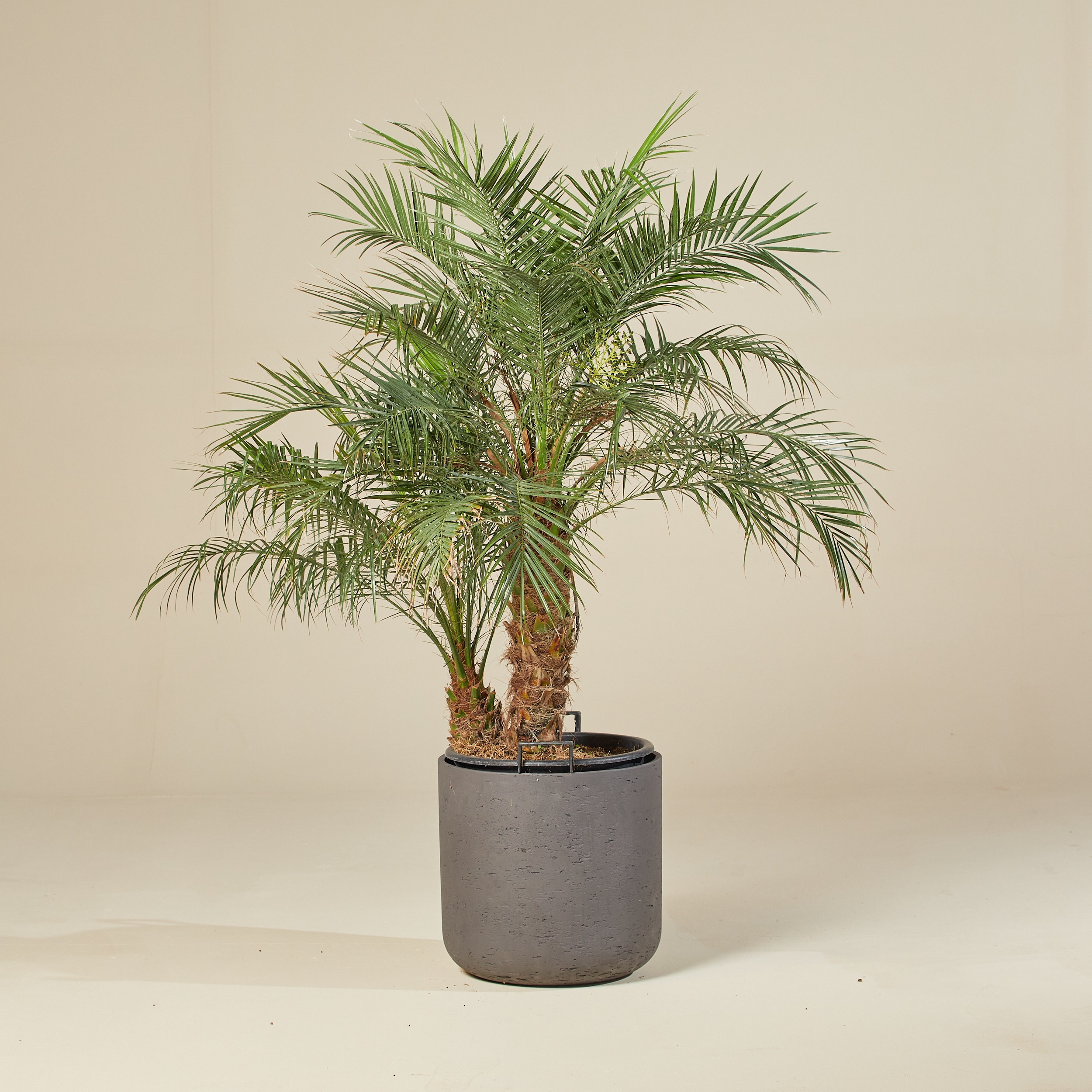
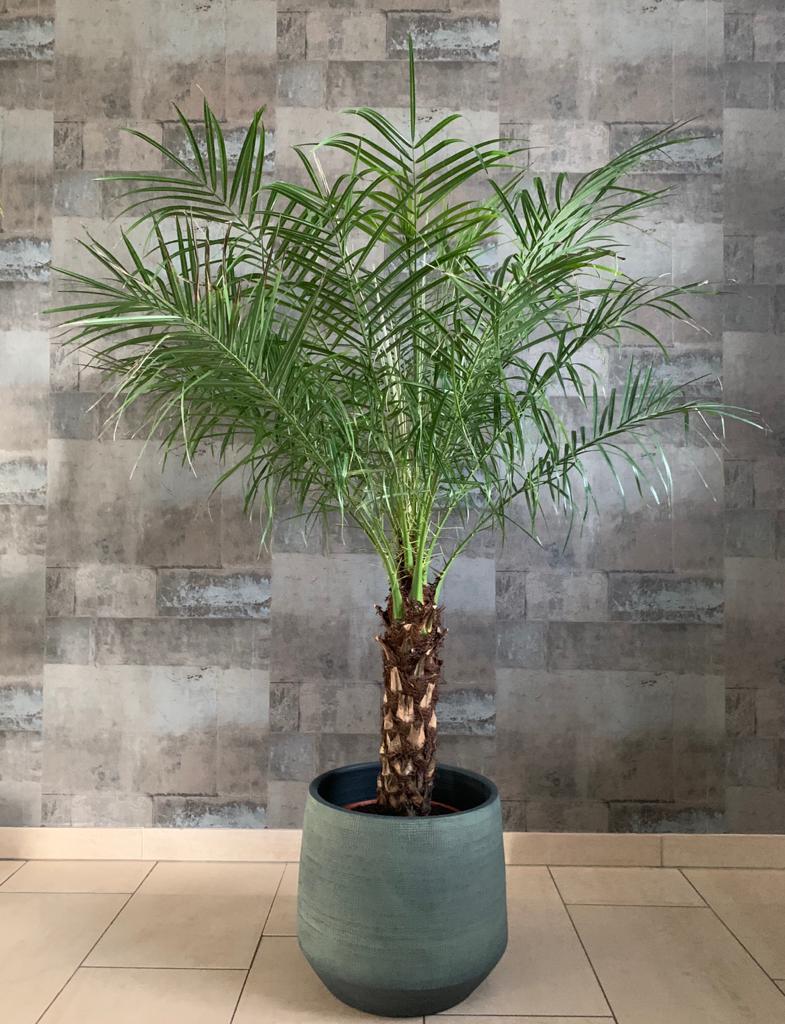
Its compact size and elegant appearance make it ideal for indoor settings.
It can be used as a specimen plant in living rooms, offices, and conservatories.
It can be used to add a tropical feel to interior spaces.
Conclusion
Phoenix roebelenii is a versatile and beautiful palm that adds a touch of tropical elegance to any setting. Its ease of care and adaptability make it a popular choice for both novice and experienced gardeners. By providing the proper light, water, and care, you can enjoy the beauty of this miniature date palm for many years to come. Its slow growth and manageable size ensure that it will remain a delightful addition to your indoor or outdoor space.
Phoenix roebelenii: the perfect plant for indoors – MyPalmShop.com


:strip_icc()/houseplants-you-cant-kill-Final-180244527c60405fb9668911dab14857.jpg?resize=200,135&ssl=1 "Effortless Greenery: Low-Maintenance Plants For Beginner Gardeners")
:max_bytes(150000):strip_icc()/low-light-conditions-houseplants-1902917-834ee8847a324939b796845a6bc22d36.png?resize=200,135&ssl=1 "Shade Savvy: Thriving Indoor Plants For Low-Light Locations")
