
Absolutely! Here’s a comprehensive article on Physocarpus opulifolius, covering its botany, cultivation, uses, and more, formatted with `
` and `
` tags instead of “.
Physocarpus opulifolius: The Hardy Ninebark
Physocarpus opulifolius: The Hardy Ninebark
Botanical Characteristics

Morphology and Growth Habit
Ninebark is a medium-sized shrub, typically reaching heights of 5 to 10 feet (1.5 to 3 meters) and spreading to a similar width. It exhibits a rounded, spreading growth habit, often forming dense thickets. The branches are arching and somewhat zigzagged, adding to its informal, natural appearance.
Foliage
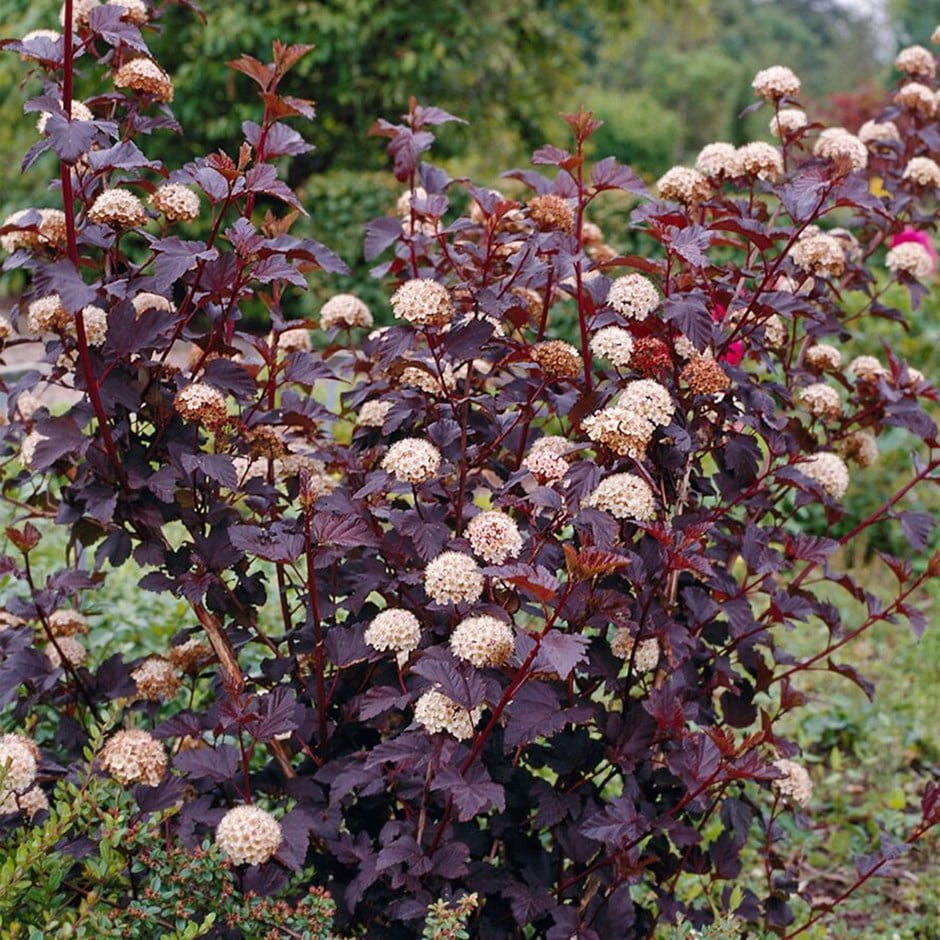
The leaves of Physocarpus opulifolius are alternate, simple, and typically 3-lobed, resembling the leaves of some maple species. They are serrated along the margins and generally palmate. The foliage color varies depending on the cultivar, ranging from vibrant green to deep burgundy and gold. Fall foliage can be a showy display of yellow, orange, or reddish hues.
Flowers and Fruits
In late spring to early summer, ninebark produces clusters of small, white or pinkish, five-petaled flowers. These flowers are arranged in corymbs, creating a delicate, lace-like appearance. The flowers are attractive to pollinators, including bees and butterflies. Following flowering, ninebark develops small, inflated, reddish-brown or purplish follicles (dry fruits). These fruits persist into the winter, adding visual interest to the shrub.
Bark
The bark is a distinctive feature of ninebark. As the plant matures, the bark peels in thin, papery layers, exposing the reddish-brown inner bark. This peeling effect creates a textured, multi-layered appearance that is particularly noticeable during the winter months.
Cultivation
Growing Conditions
Planting and Propagation
Ninebark is typically propagated from softwood cuttings taken in late spring or early summer, or from hardwood cuttings taken in late fall or winter. It can also be propagated from seeds, although this method is less common. When planting, it is essential to space the shrubs appropriately to allow for their mature size.
Pruning and Maintenance
Ninebark requires minimal pruning, primarily for shaping and removing dead or damaged branches. Pruning can be done in late winter or early spring before new growth begins. Some cultivars benefit from occasional rejuvenation pruning to maintain their shape and vigor.
Cultivars
Numerous cultivars of Physocarpus opulifolius have been developed, offering a range of foliage colors and growth habits. Some popular cultivars include:
’Diablo’: Known for its deep burgundy to purplish-black foliage.
Uses in Landscaping
Ornamental Value
Ninebark is a popular choice for landscaping due to its ornamental value and versatility. It is used as a specimen plant, in mixed shrub borders, as a hedge, and for erosion control. Its colorful foliage, showy flowers, and interesting bark make it a valuable addition to any garden.
Hedges and Screens
Due to its dense growth habit, ninebark is often used to create hedges and screens. It provides privacy and acts as a windbreak.
Erosion Control
The extensive root system of ninebark helps stabilize soil, making it useful for erosion control on slopes and banks.
Wildlife Gardens
The flowers of ninebark attract pollinators, and the fruits provide food for birds. It is a valuable addition to wildlife gardens.
Ecological Significance
Habitat and Range
Environmental Benefits
Ninebark plays a role in soil stabilization and provides habitat and food for wildlife. Its adaptability to a range of growing conditions makes it a valuable plant for restoration projects.
Potential Issues
Diseases and Pests
Ninebark is generally resistant to diseases and pests. However, it can be susceptible to powdery mildew, especially in humid conditions. Aphids and spider mites may also occasionally affect the plant.
Environmental Stress
Although ninebark is relatively drought-tolerant, it can be stressed by prolonged periods of drought or extreme heat. Proper watering during dry spells can help prevent stress.
Overgrowth
Ninebark can spread by suckers, potentially forming dense thickets. Regular pruning can help control its spread.
Cultural Significance
Traditional Uses
Native American tribes used various parts of Physocarpus opulifolius for medicinal purposes. The bark and roots were used to treat skin ailments, wounds, and other conditions.
Modern Applications
In modern times, ninebark is primarily valued for its ornamental appeal. Its hardiness and adaptability make it a popular choice for landscaping projects in a variety of settings.

:strip_icc()/houseplants-you-cant-kill-Final-180244527c60405fb9668911dab14857.jpg?resize=200,135&ssl=1 "Effortless Greenery: Low-Maintenance Plants For Beginner Gardeners")
:max_bytes(150000):strip_icc()/low-light-conditions-houseplants-1902917-834ee8847a324939b796845a6bc22d36.png?resize=200,135&ssl=1 "Shade Savvy: Thriving Indoor Plants For Low-Light Locations")
