
# 🌸 Grow Your Green Thumb: The Easiest Flowering plants for Beginners
If you’ve ever walked into a garden center and felt overwhelmed by the sheer number of plants, you’re not alone. Starting a garden can feel intimidating, especially when you dream of vibrant, colorful blooms but fear ending up with a collection of dry, brown sticks.
But here’s the secret: gardening doesn’t have to be hard. There are dozens of beautiful, resilient flowering plants out there that practically thrive on neglect! This guide is your friendly, no-stress introduction to the toughest, most rewarding flowers you can grow. Get ready to transform your space, boost your mood, and finally get that “green thumb” you’ve always wanted.

—
🪴 The Superstars of Stress-Free Container Gardening
If you’re starting small—maybe just a balcony, patio, or a sunny windowsill—container gardening is the perfect way to begin. These plants are happy in a pot and deliver a big burst of color for minimal effort.
☀️ Petunias: The Cascading Color Kings
Petunias are arguably the most popular flowering annual for a reason. They offer a huge variety of colors (from deep purples and bright reds to striking bicolors) and many varieties have a beautiful cascading habit, making them perfect for hanging baskets or spilling over the edge of a container.
Why they’re great for beginners: They are sun-lovers that forgive a missed watering or two, and they bloom continuously from spring until the first frost.
🌼 Geraniums (Pelargoniums): The Classic Cottage Charm
When most people say “Geranium,” they are usually talking about the large-headed, sturdy plants called Pelargoniums. These are the quintessential window box and container plant, often seen in classic European villages.
Why they’re great for beginners: They are incredibly tolerant of heat and dry conditions. They love full sun and their leaves often have a nice scent, too!
🧡 Impatiens: Brightening Up the Shade
If your gardening space is primarily shady—perhaps under a large tree or on a north-facing porch—Impatiens are your best friends. They are one of the few plants that deliver brilliant, continuous color without needing any direct sun.
Why they’re great for beginners: They are highly predictable and come in every shade of the rainbow except blue. They are a guaranteed source of color for a darker corner.
—
🌻 Hardy Heroes for the In-Ground Garden Bed
If you have a bit more space and are ready to tackle a garden bed, these perennial and annual powerhouses are known for their resilience. Perennials come back year after year, giving you maximum reward for your initial effort.
💜 Coneflowers (Echinacea): The Tough-as-Nails Native
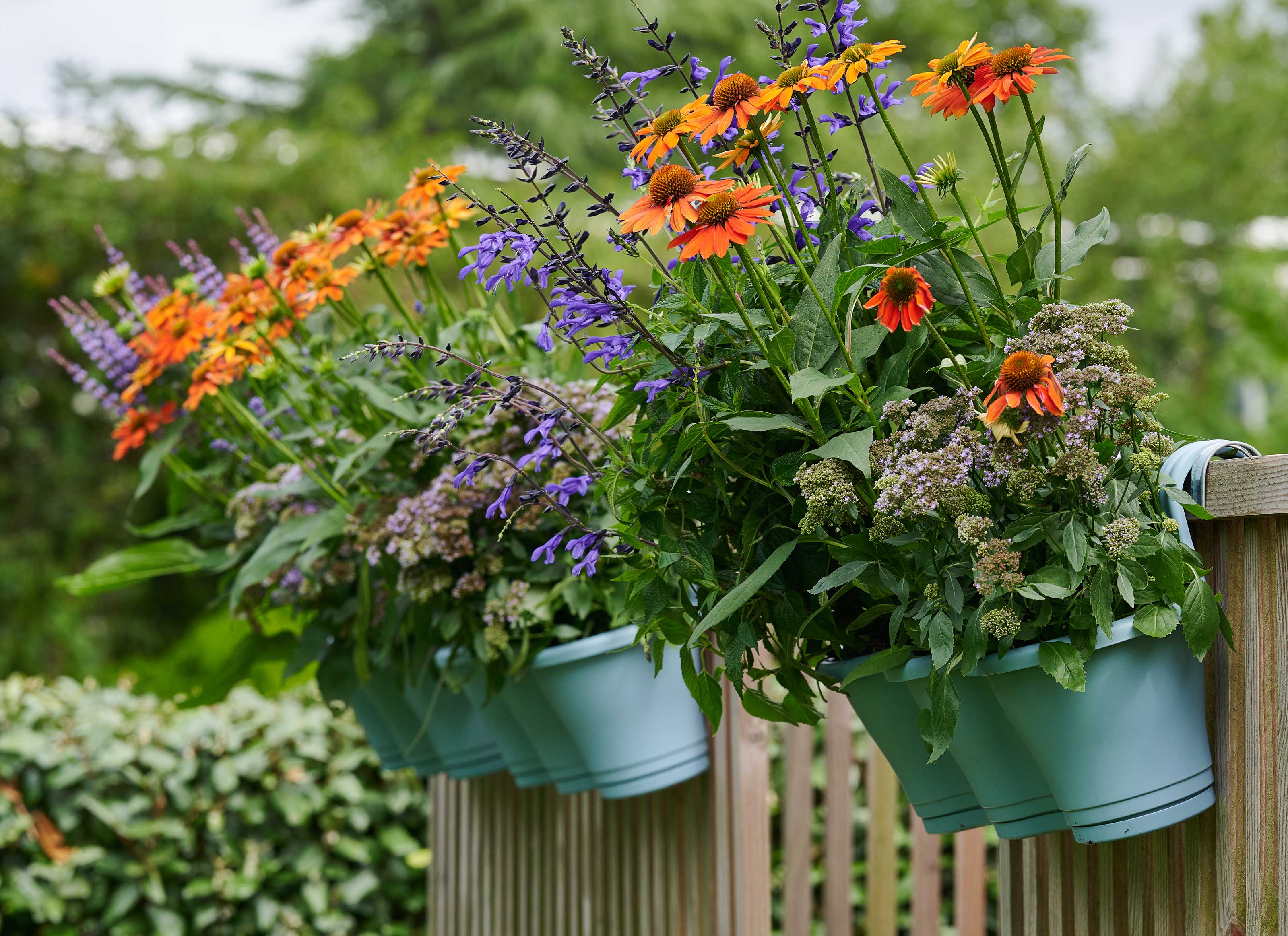
Coneflowers are perennial champions. Native to North America, these flowers are incredibly hardy, drought-tolerant, and beloved by bees and butterflies. They feature a prominent, spiky center (the “cone”) and petals that come in shades of purple, pink, white, and even green.
Why they’re great for beginners: Once established, they need almost no attention. They laugh at high heat and dry spells.
💛 Daylilies (Hemerocallis): The Indestructible Bloomers
Daylilies get their name because each individual flower only lasts for one day. However, each stem produces dozens of buds, ensuring a continuous show for weeks in the summer. They are incredibly common in landscaping because they are practically bomb-proof.
Why they’re great for beginners: They tolerate almost any soil condition, grow well in full sun or partial shade, and multiply quickly, giving you more plants to enjoy or share.
💗 Zinnias: The Cut-and-Come-Again Annuals
Zinnias are the perfect choice if you want to grow flowers specifically for cutting and bringing indoors. These annuals grow easily from seed—a huge win for budget-conscious beginners—and the more you cut them, the more they bloom.
Why they’re great for beginners: They are robust, vibrant, and extremely fast-growing. Plus, planting from seed is a deeply satisfying experience for a new gardener.
—
💧 Don’t Forget the Basics: A Simple Starter Guide
No matter which plant you choose, success boils down to a few simple principles. You don’t need fancy tools or confusing schedules—just a little attention.
💧 Watering: The Golden Rule
The number one cause of plant death for beginners is usually overwatering, not underwatering. People tend to think more water is better, but this drowns the roots.
☀️ Sunlight: Know Your Spot
Understand how much sun your chosen spot gets each day.
Full Sun: Six or more hours of direct, unfiltered sun (best for Petunias, Zinnias, Coneflowers).
🌱 Soil: Keep it Fluffy
For containers, never use dirt from your yard; it gets too compacted. Always use a high-quality potting mix (it should feel light and fluffy). For garden beds, adding a few inches of compost before planting will do wonders for drainage and nutrients.
—
✅ Conclusion: Your Journey to Color Begins Now
Congratulations! You now have a foolproof list of easy-care flowering plants to start your gardening adventure. Remember, these plants are chosen for their resilience, so don’t stress over every detail. Choose a plant, find a pot or a spot in the ground, give it a home, and stand back. You’ll be amazed at how quickly you can achieve a colorful, thriving garden that brings you joy all season long. Happy planting!
❓ 5 Unique FAQs After The Conclusion
1. What exactly does “deadheading” mean and is it necessary for all flowering plants?
Deadheading is simply the act of removing spent, faded, or dried-up flowers. It’s a great practice for annuals like Petunias and Zinnias because it prevents the plant from going to seed, which signals the end of the blooming cycle. By removing the old flower, you trick the plant into producing more new flowers, extending the bloom time dramatically. While it helps most plants, it’s less necessary for plants that naturally drop their spent flowers, like some modern Impatiens varieties.
2. Can I start any of these beginner plants from seed to save money?
Yes! Zinnias are one of the most rewarding and easiest flowering annuals to start from seed directly in the garden bed after the last frost date. They sprout quickly and bloom profusely. Other annuals like Petunias can be started from seed, but they often require being started indoors weeks before spring, which can be a little tricky for an absolute beginner. For the ultimate easy route, buy small “starter plants” from the garden center.
3. My apartment only has a small, North-facing balcony. What is my best option for flowers?
For a North-facing balcony that receives minimal direct sunlight, your best choice is Impatiens. They are highly reliable shade-bloomers that will provide continuous, bright color all summer long. If you want something hardier, look for Begonias, which also thrive in low-light conditions.
4. What is the difference between an ‘annual’ and a ‘perennial’?
An annual plant completes its entire life cycle in one growing season: it sprouts from a seed, flowers, produces new seeds, and then dies when the cold weather arrives. You have to replant them every year (e.g., Petunias, Zinnias). A perennial plant lives for more than two years. Its foliage may die back to the ground in winter, but the root system remains alive, and the plant regrows the following spring (e.g., Coneflowers, Daylilies).

:strip_icc()/houseplants-you-cant-kill-Final-180244527c60405fb9668911dab14857.jpg?resize=200,135&ssl=1 "Effortless Greenery: Low-Maintenance Plants For Beginner Gardeners")
:max_bytes(150000):strip_icc()/low-light-conditions-houseplants-1902917-834ee8847a324939b796845a6bc22d36.png?resize=200,135&ssl=1 "Shade Savvy: Thriving Indoor Plants For Low-Light Locations")
