
In a world buzzing with talk about being green, it’s easy to feel overwhelmed. But what if I told you that one of the most fulfilling and impactful ways to embrace sustainability can happen right in your own living space or backyard? We’re talking about sustainable gardening, and it’s not just for professional farmers or people with acres of land. It’s for you, me, and everyone who wants to grow a little slice of nature while keeping our planet happy.
This isn’t about being perfectly eco-friendly from day one. It’s about making smart choices, starting small, and watching your sustainable garden—and your knowledge—grow. The heart of sustainable gardening is simple: working with nature, not against it. It means conserving resources, reducing waste, and focusing on the long-term health of your soil and plants.
—
🌱 Why Go Sustainable with Your Home Garden?
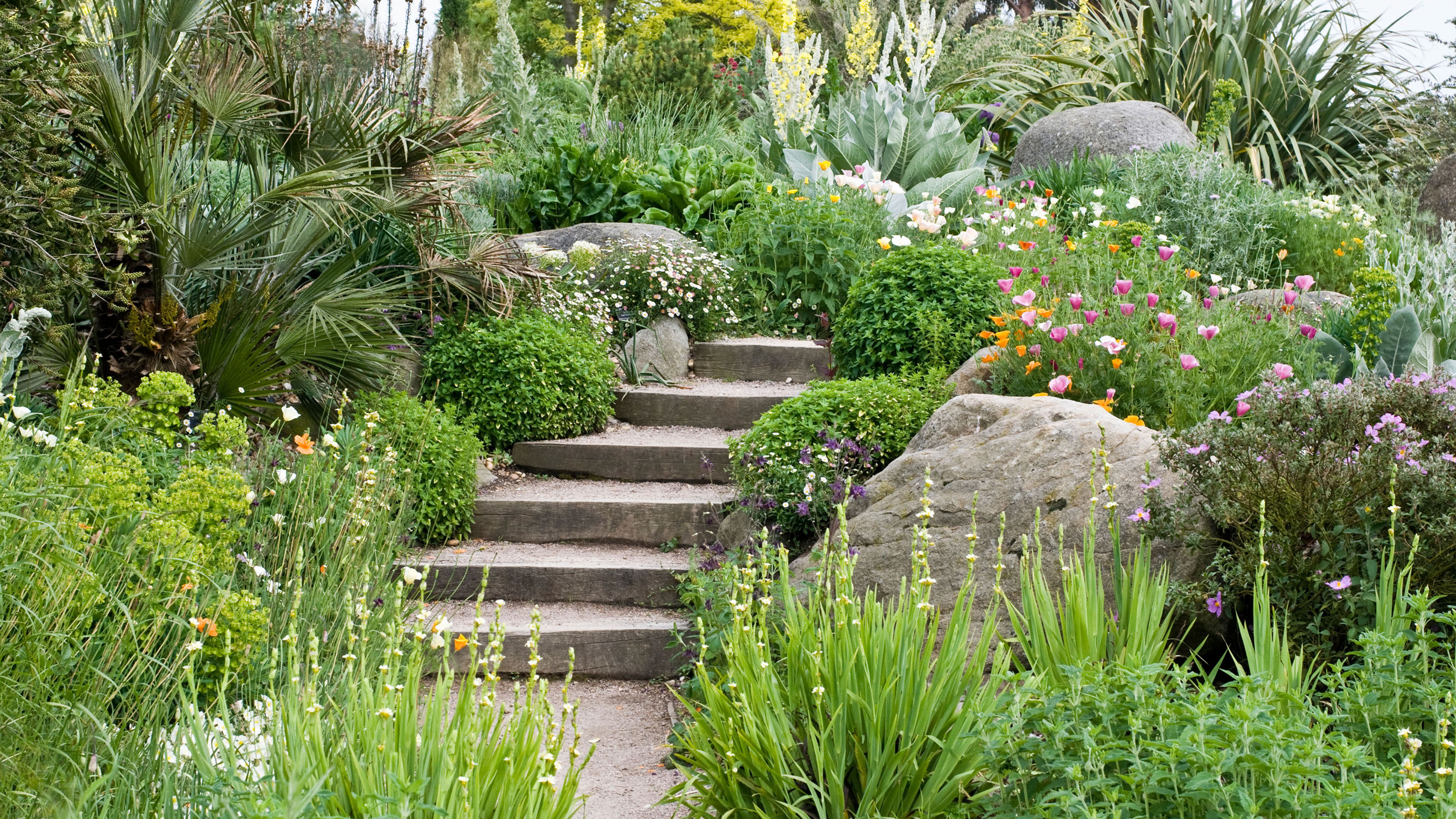
You might be wondering, why bother with sustainable practices? Isn’t a regular garden good enough? The truth is, moving toward sustainability brings huge benefits, both for your home and the environment.
🌳 Reduce Your Environmental Footprint
Traditional gardening often relies on chemical fertilizers, synthetic pesticides, and a lot of water. Sustainable methods ditch the chemicals, which means less pollution running into our waterways and healthier soil for the long haul. You’ll be using resources more efficiently, which is a win for the planet.
🍅 Enjoy Healthier Produce and Herbs
When you grow your own food sustainably, you know exactly what goes into it—or, more importantly, what doesn’t! No scary chemical residues, just pure, wholesome goodness. The food you grow will often taste better, too, because healthy soil grows nutrient-dense plants.
💰 Save Money and Resources
Think about it: composting your kitchen scraps means you don’t need to buy bags of expensive potting mix. Harvesting rainwater reduces your water bill. Choosing native or resilient plants means less time and money spent on replacing sickly ones. Sustainability is smart economics!
🦋 Support Local Wildlife
A sustainable garden is a mini-ecosystem. By avoiding harsh chemicals and planting flowers that attract beneficial insects, you’re creating a vital habitat for bees, butterflies, and helpful predatory insects (like ladybugs that eat aphids). You’re doing your part to support local biodiversity.
—
🌿 Choosing Your Star Players: Sustainable Plants for Your Home
The cornerstone of a sustainable garden is the plant selection. It’s all about choosing plants that thrive in your specific climate with minimal fuss and external help.
🌻 Native and Regional Plants
This is the golden rule of sustainable gardening. Native plants are plants that naturally grow in your area. They have adapted over thousands of years to your soil type, local rainfall, and temperature fluctuations.
💧 Drought-Tolerant and Low-Water Plants (Xeriscaping)
If you live in a drier climate, or just want to conserve water (and who doesn’t?), choosing plants that can handle the heat and thirst is crucial. This practice is often called xeriscaping.
🌶️ Herbs that Keep on Giving
Herbs are some of the easiest and most practical sustainable plants for any home. Many are perennials (they come back every year) or can be easily propagated.
The Powerhouse Trio: Mint, oregano, and thyme are incredibly resilient and often invasive, which is great for continuous harvest, but make sure to plant them in a pot or container to keep them contained!
🥬 Heirloom and Open-Pollinated Vegetables
When growing food, opt for heirloom or open-pollinated varieties instead of common hybrids.
—
🛠️ Sustainable Gardening Practices: Making It Work
Choosing the right plants is only half the battle. How you care for them is what truly defines a sustainable garden.
♻️ Composting: Your Garden’s Best Friend
Composting is the ultimate way to reduce waste and create a nutrient-rich soil amendment for free. Instead of tossing fruit peels, coffee grounds, and yard trimmings, you can turn them into “black gold.”
💧 Smart Watering Techniques
Water is a precious resource. Don’t waste it!
Install a Rain Barrel: Collect rainwater from your downspout. It’s often better for plants than treated tap water.
🐜 Natural Pest Control
Forget the chemical sprays. Sustainable gardening focuses on Integrated Pest Management (IPM), which starts with prevention.
Embrace Beneficial Insects: Plant flowers like dill, fennel, or yarrow to attract ladybugs, lacewings, and parasitic wasps—all of which love to eat common garden pests.
🌍 Soil Health is Paramount
The soil is the foundation of your sustainable garden. Healthy soil is rich in organic matter, supports a diverse array of microbes, and holds water efficiently.
Avoid Tilling: Excessive digging or tilling can disrupt the delicate soil structure and release stored carbon into the atmosphere. Instead, try “no-till” gardening, where you layer compost and mulch directly on the soil surface.
—
💡 Starting Small: Sustainable Gardening in Small Spaces
Even if you only have a balcony, a sunny windowsill, or a tiny patio, you can be a successful sustainable gardener.
🪴 Vertical Gardening
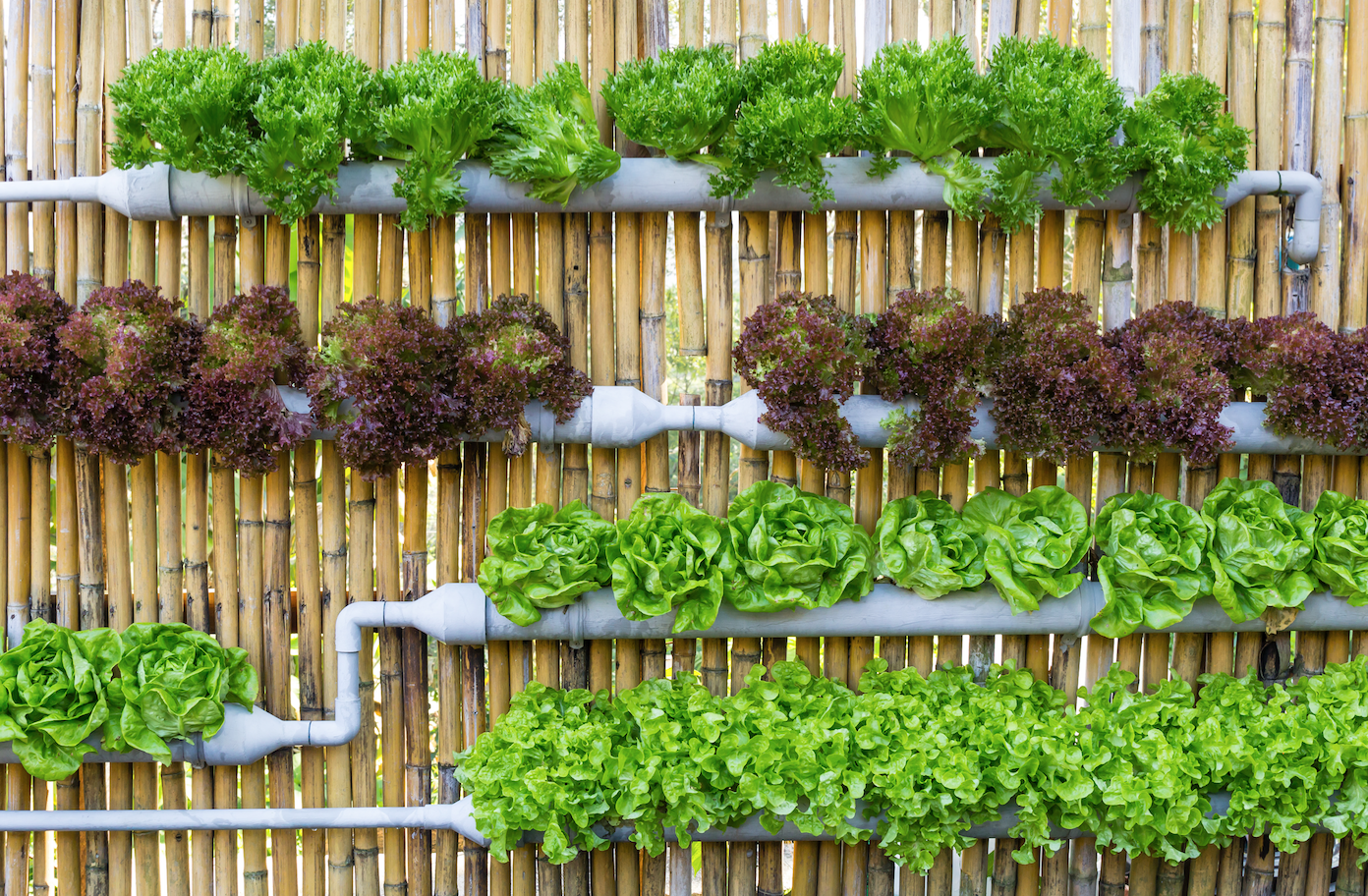
Use your vertical space! Shelves, hanging baskets, and wall-mounted planters are perfect for maximizing a small footprint. This also keeps plants off hot pavement or concrete, which can stress them out.
🫙 Container Gardening
Almost any plant can be grown in a pot, as long as the pot is the right size and has good drainage. Self-watering containers are a fantastic sustainable choice, as they significantly reduce water waste by providing water from the bottom up.
☀️ Know Your Microclimate
Even in a small space, you have microclimates. Where does the sun hit longest? Which corner is sheltered from the wind? Place your plants according to these unique conditions—sun-lovers in the brightest spot, and shade-tolerant herbs in the dimmer areas. This simple practice ensures your plants get exactly what they need without extra effort from you.
—
💚 Conclusion
Sustainable gardening at home is more than a trend; it’s a mindful way of life that connects us to nature’s rhythms. It’s about taking small, deliberate actions—choosing a native plant, starting a compost pile, or collecting rainwater—that collectively make a monumental difference. By focusing on soil health, conserving water, and selecting plants that thrive naturally, you create a resilient, low-maintenance, and genuinely beautiful space. This isn’t just about growing plants; it’s about cultivating a more sustainable, self-sufficient, and joyful lifestyle, one green thumbprint at a time. The planet—and your future self—will thank you for it.
—
❓ Frequently Asked Questions (FAQs)
❓ What is the most important first step for a beginner sustainable gardener?
The most important first step is to assess your site’s conditions. Before buying any plants, figure out your Hardiness Zone (your climate), how many hours of direct sunlight your garden receives daily, and what your soil is like. Choosing the right plants for your specific spot is the single best way to ensure they thrive with minimal intervention (water, fertilizer, pest control).
❓ Is organic gardening the same as sustainable gardening?
They are closely related but not exactly the same. Organic gardening strictly avoids synthetic chemicals (pesticides, herbicides, fertilizers). Sustainable gardening includes organic practices but goes further by focusing on the efficient use of resources (like water and energy), biodiversity, reducing waste (composting), and working within the local ecosystem. Organic is a core component of sustainability, but sustainability is a broader concept.
❓ How can I naturally fertilize my sustainable garden without buying anything?
The best natural, free fertilizer is compost. By composting kitchen scraps (fruit/veggie peels, coffee grounds, eggshells) and yard waste, you create a nutrient-rich soil amendment. Another method is making compost tea (soaking compost in water) or using cover crops (like clover or legumes) which fix nitrogen from the air into the soil.
❓ What does “companion planting” mean and how does it help sustainability?
Companion planting is the practice of strategically placing different species of plants close to each other so they benefit one another. This boosts sustainability by providing natural pest control (e.g., strong-smelling herbs deterring harmful insects), improving soil health (e.g., legumes adding nitrogen), and maximizing space (e.g., tall plants providing shade for heat-sensitive ones).

:strip_icc()/houseplants-you-cant-kill-Final-180244527c60405fb9668911dab14857.jpg?resize=200,135&ssl=1 "Effortless Greenery: Low-Maintenance Plants For Beginner Gardeners")
:max_bytes(150000):strip_icc()/low-light-conditions-houseplants-1902917-834ee8847a324939b796845a6bc22d36.png?resize=200,135&ssl=1 "Shade Savvy: Thriving Indoor Plants For Low-Light Locations")
