
Welcome to the wonderful, wild world of houseplants! If you’ve ever felt intimidated by plant care, thinking you need some secret “green thumb” to keep them alive, I’m here to tell you that’s simply not true. Growing plants indoors is a skill anyone can learn, and it’s a deeply rewarding one. Think of this guide as your no-fuss, casual introduction to being an excellent plant parent. We’ll break down the essentials into simple, actionable steps so you can ditch the stress and start enjoying your leafy companions.
The key to success is understanding that your indoor plants are living things that had a natural habitat before they came to your home. By trying to mimic their ideal environment through light, water, and soil, you can set them up for a long, happy life. Forget the complicated terms—we’re keeping it simple and focusing on what matters most for beginners.
🌿 Getting Started: The Right Plant and the Right Spot
Your plant care journey begins before you even bring a plant home. A little research goes a long way and prevents future heartache.

Choosing Beginner-Friendly Plants
As a newbie, it’s best to start with plants that are tough and forgiving. They can handle a little neglect and will forgive you if you overwater them once or twice. Here are a few reliable, easy-care champions:
Snake Plant (Sansevieria): Nearly indestructible. Tolerates low light and drought.
Understanding Your Home’s Light
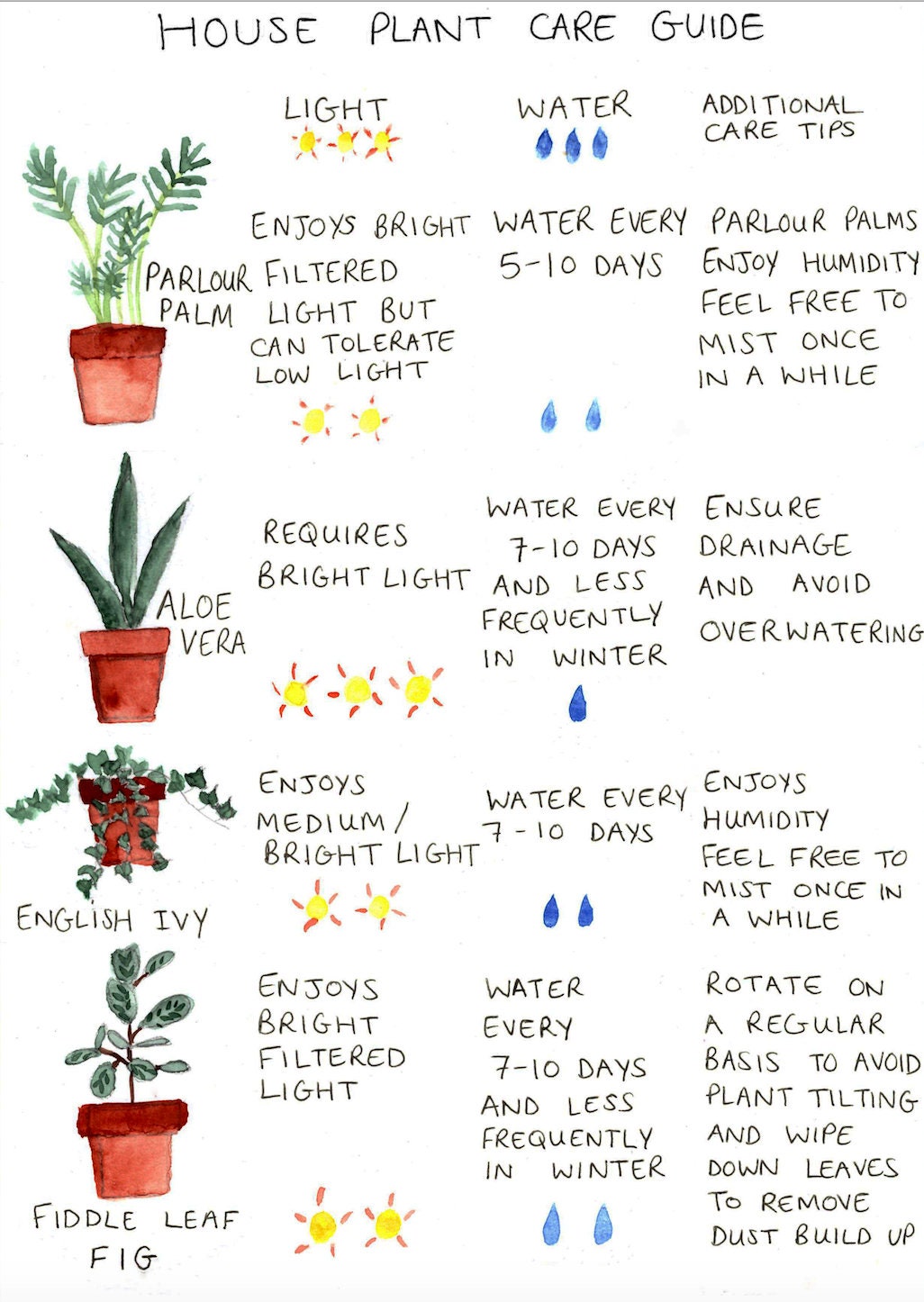
This is the single most important factor for a thriving houseplant, and often the most misunderstood. Light isn’t just “bright” or “dark”—it has different qualities. Before buying a plant, assess your windows.
Bright, Direct Light: Usually found in a south-facing or unobstructed west-facing window where the plant receives several hours of harsh, direct sunlight. This is ideal for succulents, cacti, and some tropical sun-lovers. Warning: Direct sun through glass can scorch delicate leaves.
The Golden Rule of Light: Match your plant’s needs to the light you actually have. Never buy a sun-loving plant for a dark corner just because it looks pretty.
💧 The Art of Watering: Don’t Just Dump and Run
Overwatering is, without a doubt, the number one plant killer for beginners. When roots sit in soggy soil, they can’t breathe, which leads to root rot, and the plant essentially drowns. The key is to water based on need, not on a schedule.
Checking Soil Moisture
The best way to know if your plant needs water is to stick your finger into the soil.
The Finger Test: Insert your index finger about one to two inches deep into the soil (up to the first knuckle).
The Proper Watering Technique
When you do water, do it correctly to ensure the roots get a good drink.
Water Thoroughly: Pour water slowly and evenly over the top of the soil until you see it draining out of the drainage holes at the bottom of the pot. This ensures all the roots, even the deep ones, are hydrated.
🪴 Potting and Soil: Foundation for Growth
The container and the soil mix are the home your plant lives in, and they are essential for its long-term health.
The Importance of Drainage Holes
Every single houseplant pot must have a drainage hole. I cannot stress this enough. If you have a beautiful decorative pot without a hole, use it as a cachepot (a decorative cover) and keep your plant in a cheaper plastic “nursery pot” with holes inside the decorative one. This allows you to easily remove the plant for proper watering and draining.
Choosing the Right Soil
Do not use dirt from your garden! Indoor plants need a special, light, and airy potting mix.
Standard Indoor Mix: Most tropical houseplants are happy in a good quality indoor potting mix.
Repotting Basics
Your plant won’t need repotting often—maybe every 12 to 18 months, or when you see roots growing out of the drainage holes.
Go Up One Size: Choose a new pot that is only one or two inches wider in diameter than the old one. A pot that is too big holds too much excess soil and moisture, which, you guessed it, can lead to root rot.
🌡️ Temperature, Humidity, and Feeding
While light and water are the big two, these factors play an important supporting role.
Temperature and Airflow
Most houseplants are perfectly happy with the same temperature you are—between $65^{circ}F$ and $80^{circ}F$ (about $18^{circ}C$ to $27^{circ}C$).
Avoid Drafts: Keep plants away from air conditioning vents, heating radiators, and consistently drafty windows, as sudden changes in temperature can shock them and cause them to drop leaves.
Humidity
Many popular houseplants (like ferns, Calatheas, and Pothos) are tropical, which means they love humid air. Our homes, especially in the winter, are often too dry for them.
Pebble Trays: Place your pot on a shallow tray filled with pebbles and water. Make sure the bottom of the pot is sitting on the pebbles, not submerged in the water. As the water evaporates, it creates a small bubble of humidity around the plant.
Fertilizing (Plant Food)
Think of fertilizer as a vitamin supplement, not a meal. Your plant gets its “food” from light. Fertilizer gives it the nutrients it uses for growth.
When to Feed: Only fertilize during the growing season—typically spring and summer. Skip the fertilizer completely during the autumn and winter months when the plant is resting.
🔎 Troubleshooting Common Plant Problems
Learning to “read” your plant is part of the fun. Your plant will tell you when something is wrong, you just need to learn the language.
Yellow Leaves
This is the most common symptom, and it usually signals a watering issue.
Overwatering: If the leaves are soft, mushy, or the soil is constantly wet, you’re likely overwatering. The lower, older leaves often turn yellow first.
Brown, Crispy Leaf Tips or Edges
This is often a sign of low humidity or mineral buildup from tap water.
Low Humidity: Group your plants together or use a pebble tray (see above).
Pests
Look for tiny, unwanted guests like spider mites, fungus gnats, or mealybugs. Check the backs of the leaves and the joints where the stem meets the leaf.
Fungus Gnats (Tiny black flies): These are a sign of chronically overwatered soil. Let the top inch of soil dry out completely. You can also use sticky yellow traps to catch the adults.
Conclusion
Embarking on your houseplant journey is a commitment to observation, patience, and learning. By focusing on the foundational elements of plant care—adequate light, correct watering, and proper drainage—you’ll avoid the pitfalls that often discourage beginners. Remember, every “mistake” is just a lesson in what your specific plant needs in your unique home environment. Start with resilient plants, learn to read the signs they give you, and never be afraid to stick your finger in the soil. Before you know it, you’ll be confidently surrounded by lush, vibrant greenery, transforming your space into a peaceful, thriving oasis. The greatest secret to a green thumb is simply paying attention. Happy planting!
❓ Frequently Asked Questions (FAQs)
What are the absolute easiest houseplants for a total beginner?
Snake Plants (Sansevieria) and ZZ Plants (Zamioculcas zamiifolia) are widely considered the most forgiving plants. They tolerate low light and can handle long periods without water, making them nearly impossible to kill with simple neglect. Pothos is another excellent choice because it clearly shows you when it is thirsty by dramatically drooping its leaves, a clear signal that makes watering less of a guessing game.
How do I know if my pot has good drainage?
A pot has good drainage if it has a hole (or multiple holes) in the bottom that allows excess water to escape freely. When you water, you should see water running out of the bottom within a few minutes. If a pot doesn’t have a drainage hole, it is an automatic recipe for root rot, as the water will simply sit at the bottom with no way to evaporate or drain away.
Why are my plant’s leaves yellowing after I just watered it?
Yellowing after watering often indicates overwatering and root rot. Even though the plant looks thirsty (sometimes wilting is a symptom of both under- and overwatering), the roots are saturated, preventing them from taking up oxygen and leading to the appearance of thirst. The solution is to let the soil dry out significantly, sometimes completely, before watering again, and ensure the pot is draining properly.
When is the best time to fertilize my houseplants?
The best time to fertilize is during the active growing season, which is typically from early spring (March/April) through the end of summer (August/September). Houseplants generally go dormant or slow down growth in the darker, cooler months of autumn and winter, so you should stop feeding them completely during this period. Over-fertilizing during dormancy can actually damage the roots.
Is misting my plants an effective way to raise the humidity?
Misting can provide a temporary, minor spike in humidity, but its effect is very short-lived (often just minutes). It’s generally not an effective long-term solution for tropical plants that need consistently high humidity. A better solution is using a pebble tray with water, grouping plants together, or investing in a small room humidifier, which provides sustained moisture to the air.
This video provides an excellent guide to basic houseplant care for beginners, focusing on core elements like watering and light. [HOUSEPLANT CARE TIPS FOR BEGINNERS » + printable guide](https://www.youtube.com/watch?v=LZhnCxG5c6s)
http://googleusercontent.com/youtube_content/0

:strip_icc()/houseplants-you-cant-kill-Final-180244527c60405fb9668911dab14857.jpg?resize=200,135&ssl=1 "Effortless Greenery: Low-Maintenance Plants For Beginner Gardeners")
:max_bytes(150000):strip_icc()/low-light-conditions-houseplants-1902917-834ee8847a324939b796845a6bc22d36.png?resize=200,135&ssl=1 "Shade Savvy: Thriving Indoor Plants For Low-Light Locations")
